




Compliance- clarity and capacity: hard questions dominate the ship-recycling forum
By TradeWinds, Hong Kong, 25 November 2025) tradewindsnews.com+1

When the global ship-recycling sector convened in Hong Kong last week for the two-day TradeWinds Ship Recycling Forum 2025, the tone was unmistakably one of urgency rather than celebration. Held 18–19 November at the Grand Hyatt Hong Kong, the event drew more than 270 industry leaders—including shipowners, legal and technical advisors, recycling-yard operators, regulators and financiers—as the end-of-life vessel market braces for seismic change. tradewindsnews.com+3tradewinds.events+3Maritime Lists+3
The crux of the conversation: three interlinked challenges dominating the agenda—compliance, clarity and capacity. These may sound straightforward, but the underlying dynamics are complex—and for many, troubling.
1. Compliance: meeting the new regime
At the heart of the discussions was the regulatory landscape for ship recycling, in particular the imminent coming into force of the Hong Kong International Convention for the Safe and Environmentally Sound Recycling of Ships (“HKC”), which seeks to standardise safe and environmentally sound recycling of vessels. International Maritime Organization+1
Participants noted that the rule-book is changing—and fast. From ship-owners who have historically regarded “recycling” as a low-cost, end-of-life disposal strategy, the paradigm is shifting into one of obligation, transparency and risk. Issues flagged included the requirement for a verified Inventory of Hazardous Materials on board a vessel at end-of-life; the need for ship-recycling facilities to be authorised; and a final survey and certification process ahead of dismantling. International Maritime Organization+1
One panellist highlighted a core tension: “Many owners that have never had to think about recycling ships will now need to — and that will reshape their businesses.” rivieramm.com+1 The message was clear—recycling is no longer a back-of-the-envelope exercise.
There was also concern that enforcement will tighten. Several legal directors and associations stressed that owners who try to circumvent the rules or “fly under the radar” will attract attention—from regulators, insurers and NGOs alike. rivieramm.com+1

2. Clarity: regulation still murky
Compliance is contingent upon clarity—and here the forum underscored significant grey zones. While the HKC sets a framework, stakeholders repeatedly flagged ambiguities in how it will be applied in practice, particularly across jurisdictions with varying capacities, legal regimes and levels of yard infrastructure.
“Should we accommodate varying recycling standards? No, no, no, no,” stated one expert, emphasising the need for consistent global rules. rivieramm.com+1 But equally, others pointed out that the recycling yards in many major ship-breaking nations still struggle to meet the required standards for worker safety, hazardous waste management and environmental protection.
Another major point of friction: the interplay between the HKC and the Basel Convention on the Control of Transboundary Movements of Hazardous Wastes and Their Disposal. Panelists at the forum warned that unresolved tensions between which regime applies when a ship is headed for recycling could delay clarity for the industry. rivieramm.com+1
A senior legal adviser noted:
“We have to get on with it – work out what is the problem that Basel has with the HK Convention and fix it.”
rivieramm.com
Until that is sorted, many players remain in a holding pattern—wary of committing to recycling deals without full certainty of the regulatory framework.
The result is a heightened caution among owners and yards alike. One yard operator reportedly said: “We’re ready for the HKC—but we’re unsure how the regulators will interpret it in our region.” It’s not just about making the rules; it’s about knowing how they will be enforced.
3. Capacity: the looming bottleneck
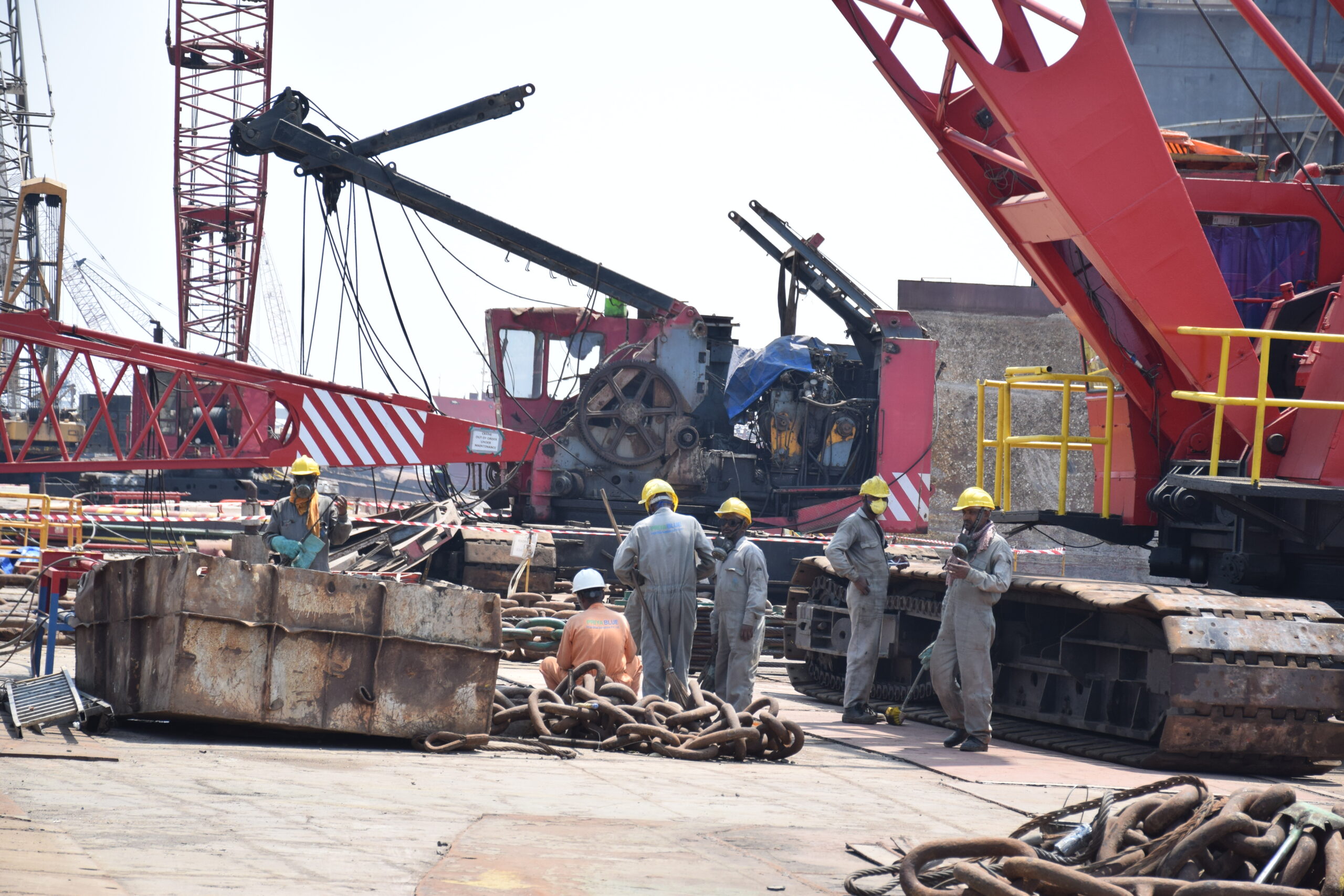
Even with compliance and clarity issues addressed, the industry faces a third, equally pressing challenge: capacity shortage. Several speakers warned that the global market for recycling end-of-life vessels might be about to take off—and it remains unclear whether there is enough yard capacity, skilled workforce and infrastructure to handle it.
One panellist summed up the risk as follows:
“If you are a major container line and suddenly there’s a big wave of ships you need to recycle in a compliant way — unfortunately there’s not going to be enough capacity in the market.”
rivieramm.com+1
That warning is underscored by practical realities: yards must invest to upgrade to HKC-compliant status; labour training, hazardous‐material handling, environmental mitigation and worker safety all require significant spend and time. Ownership of older tonnage is concentrated in major players who may have to manage their recycling programmes proactively rather than outsourcing them.
Some owners might previously sold older vessels off the books, but the forum suggested that trend is less viable now. Compliance and reputational risk means “someone else’s problem” is no longer an acceptable strategy.

4. Industry reactions and strategic moves
Throughout the forum, three broad strategic responses emerged among participants:
a. Owner-driven planning: Several ship-owners signalled that recycling is now part of their lifecycle planning—not a last-minute disposal. That means preparing vessels with proper hazardous-material inventories, scheduling end-life years ahead, budgeting for compliant yard selection and factoring recycling costs into total ownership economics.
b. Yard investment and alignment: Recycling yards, especially in major regions, are under pressure to upgrade: obtaining authorisation, gaining certification, improving worker safety and environmental record-keeping, and ensuring traceability of materials. Many shipping stakeholders questioned whether some yards would meet standards in time, raising concerns about recycling volumes being constrained.
c. Financing, risk and insurance: With the regulatory regime shifting, banks, insurers and financiers are increasingly scrutinising recycling practices. Owners may face higher premiums or tougher conditions if they cannot demonstrate compliant end-of‐life plans. One panelist noted that underwriters are now asking: “Where is the yard? Is it compliant? What is the dossier on the ship’s IHM (Inventory of Hazardous Materials)?”
5. Regional outlook and implications for Asia
For ship-recycling hubs in Asia—including sub-continental yards in India, Bangladesh and Pakistan, and more mature facilities in Turkey and China—the forum underscored both opportunity and risk.
On the opportunity side: as the HKC takes effect, compliant yards may see increased demand from owners seeking environmentally sound, reputationally safe recycling options. Yards that secure certification early may gain a competitive advantage.
On the risk side: some yards may struggle with investment requirements, upgrade timelines, labour training and environmental control systems. The capacity squeeze may first be felt by owners in regions lacking certified yards—forcing longer queues or higher costs.
For shipping companies in India, Bangladesh or elsewhere, the challenge will be ensuring that their chosen yard is recognised as compliant, and that the ship’s records (IHM, surveys, plan) are in order well before arriving for recycling.
For global shipping capital, the message is clear: planning now matters. A lack of options later may force undesirable outcomes.
6. Why it matters
Why should the broader maritime community care about end-of-life ship recycling? Several reasons:
-
Environmental and human-health risk: Ships contain hazardous materials — asbestos, heavy metals, ozone-depleting substances and more. Poor recycling practices expose workers and local communities to danger, and may result in environmental damage. The HKC aims to mitigate this. International Maritime Organization+1
-
Reputational risk: For ship-owners, disposing of vessels in non-compliant yards or via dubious chains can lead to regulatory penalties, insurance issues and stakeholder backlash.
-
Economic cost: The cost of compliant recycling is higher than sub-standard options. Owners must factor this into voyage economics, asset-life planning and residual values.
-
Industrial transition: As the shipping industry accelerates its decarbonisation and sustainability agenda, end-of-life asset management is a key part of the lifecycle. Recycling is the final chapter—if mishandled, it undermines downstream sustainability claims.
7. Key takeaways from the forum
From the TradeWinds forum came several clear messages for shipping stakeholders:
-
Don’t treat recycling as an afterthought. Start planning now.
-
Ensure the vessel has a complete, verified Inventory of Hazardous Materials (IHM), and that the plan for recycling is certified and auditable.
-
Choose yards that are authorised and compliant—or be prepared for longer lead-times, higher cost and regulatory scrutiny.
-
Monitor jurisdictional risk: understand how your flag state, recycling state and regional regulators treat HKC and Basel issues.
-
Expect capacity constraints: if large waves of scrapping occur (e.g., container-ship downturns), there may be a bottleneck in compliant yards.
-
Budget for the upgrade: recycling costs are likely to rise; ensure financial planning reflects this.
8. Outlook and next steps
With the HKC entry into force date locked in for 26 June 2025, the industry is entering a countdown phase. International Maritime Organization+1 Many yards and owners still have roughly half a year to get their houses in order. That timeline, while not long, is still within reach—but only if proactive steps are taken.
The coming months will be critical. Yards will need to finalise authorisations. Owners will need to assure compliance of their vessels. Regulators will need to signal how the rules will be enforced. And the broader supply chain—including brokers, financiers and insurers—will need to adjust to the new normal.
Given the overlapping pressures of compliance, clarity and capacity, the forum’s concluding panel struck a cautious but determined tone: “alignment matters more than agility,” one attendee said. In short: the industry needs coordination—not just innovation. Fragmented responses will create risk, delay and cost.
For Asia-based owners and recycling hubs—as well as the global shipping fleet—a well-managed transition will be a competitive advantage. The risk lies in the alternative: non-compliance, uncertainty and bottleneck-driven cost escalation.
In conclusion, the TradeWinds forum has sounded the alarm bells for ship-recycling stakeholders. The era of “ship off, yard take it” is ending. A new regime of accountability, transparency and capacity is emerging. The question now is not whether the industry will adapt, but how well and how swiftly it will do so.
If you’d like, I can pull out a full breakdown of what owners in India (or South Asia more broadly) need to do ahead of June 2025—and the implications for yards in Alang, Bangladesh or elsewhere. Would you like that?
#TradeWinds, #ShipRecycling, #ShipBreaking, #ShippingInbox

Author: shipping inbox
shipping and maritime related web portal