



A landmark proposal could link ship recycling, port infrastructure and steel production in one integrated industrial complex

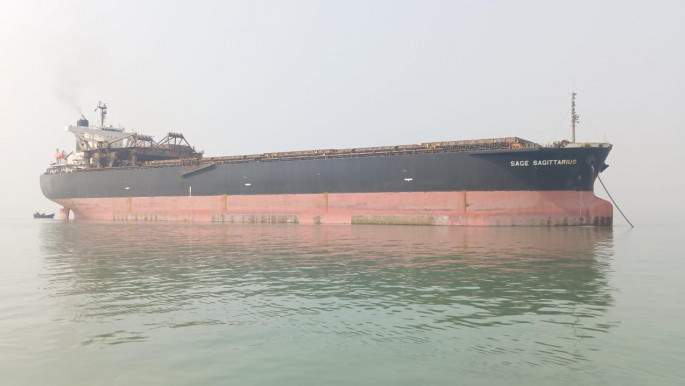
In what could become one of the most expansive foreign direct investments in Pakistan’s maritime and industrial sectors in recent years, a Chinese firm has signalled its intention to invest $800 million in the development of an Integrated Maritime Industrial Complex (IMIC) at Port Qasim, located near Karachi on Pakistan’s southern coast.
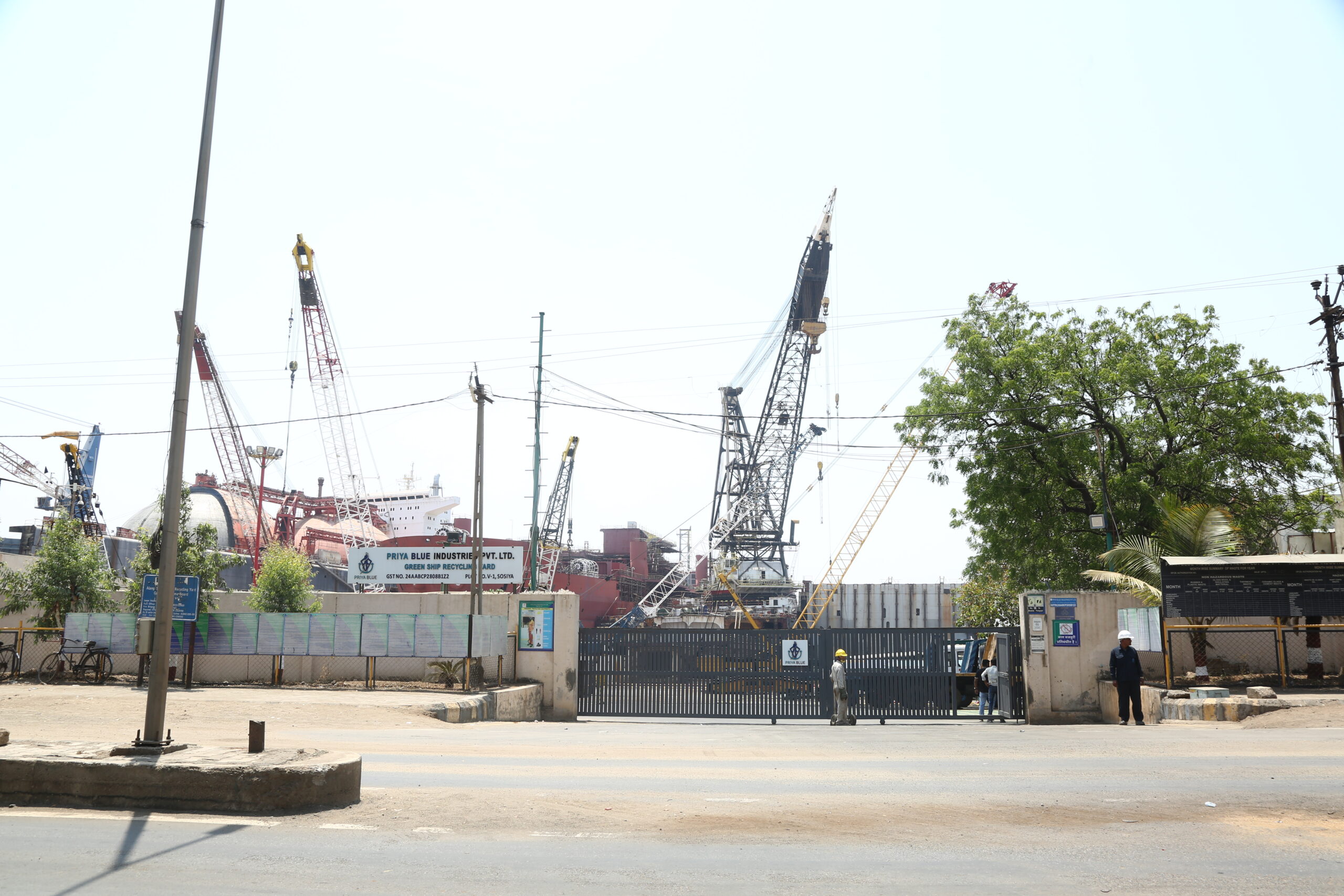
The ambitious project — branded the Sea-to-Steel Green Maritime Industrial Corridor — is designed to create an end-to-end industrial value chain linking ship recycling and port operations with steel production, port infrastructure upgrades and heavy industry logistics.
The proposal was discussed during a high-level review meeting chaired by Federal Minister for Maritime Affairs Junaid Anwar Chaudhry on February 13, attended by representatives of China’s Shandong Xinxu Group and senior officials from Pakistan’s Ministry of Maritime Affairs.
A Transformative Vision for Port Qasim
At the heart of the IMIC is a concept that Pakistan’s maritime leadership has touted as transformative: by creating a comprehensive industrial complex adjacent to Port Qasim’s existing infrastructure, the project would modernise port facilities while driving domestic value addition and reducing reliance on imported raw materials.
Key components of the proposed IMIC include:
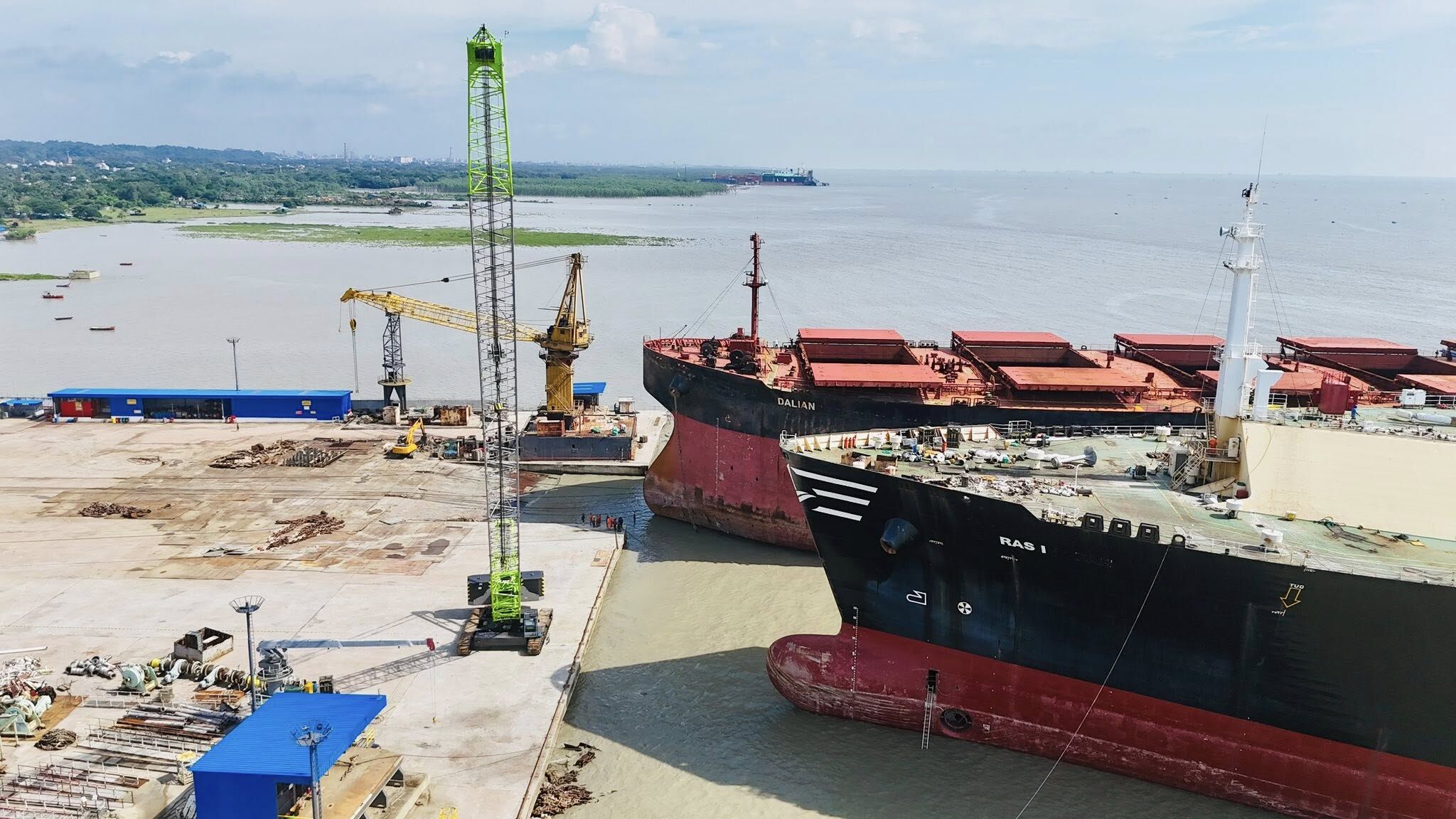
• Shipbreaking and recycling facilities — to dismantle decommissioned vessels and generate recyclable steel and scrap;
• Revival and upgrade of the Iron Ore and Coal Berth (IOCB) — a long-abandoned jetty that once handled bulk cargo, including iron ore and coal;
• An integrated steel production facility — including a new mini-furnace at Pakistan Steel Mills (PSM) that would process recycled steel, potentially restarting operations that have languished since 2015.
Officials say the initiative would not only revitalise obsolete industrial infrastructure but could also position Port Qasim as a regional hub for heavy industry and logistics — a strategic pivot from traditional port services toward value-added production.
From Shipbreaking to Steel Output
One of the IMIC’s most innovative features is its “sea-to-steel” model, which aims to use material recovered from ship recycling as feedstock for steel manufacturing. Sources close to the project explain that this would reduce Pakistan’s dependence on imported steel and raw inputs, stimulate local production, and help alleviate pressure on the country’s foreign exchange reserves.
The Iron Ore and Coal Berth, unused for more than a decade, plays a central role in the proposal. Once restored and modernised, this jetty would facilitate bulk cargo handling and serve as a logistics backbone for both the recycling facilities and the steel mill.
PSM, the country’s largest steel producer, has been inoperable since 2015 after gas supplies were cut, dealing a severe blow to Pakistan’s domestic steel industry and industrial base. Attempts to revive the mill have included discussions with international partners, including Russia; the Chinese proposal adds a new dimension by linking maritime assets with inland industrial revival.
“We see this as a complete chain from recycling of ships to utilising steel within the domestic industry,” a government source said, highlighting the project’s potential to drive job creation, value addition and sustainable economic growth.
Feasibility, Review, and Future Approvals
Shandong Xinxu Group has indicated its willingness to move forward, offering to submit an unrequested feasibility study that examines financial impact, structural and hydrographic conditions, and quantitative risk assessments.
However, officials stress that this proposal is still in its early stages. “Once submitted, the proposal will undergo a thorough review before reaching any decision,” Minister Chaudhry said in a statement, reaffirming that approval will depend on alignment with Pakistan’s broader industrial and sustainability priorities, including job creation and environmental standards.
If approved, the IMIC would rank among Pakistan’s largest recent industrial and maritime investments, potentially reshaping Karachi’s economic landscape and reducing the nation’s dependence on imported steel.
Broader Economic and Strategic Implications
Pakistan’s pursuit of foreign investment in ports and industry comes amid broader efforts to strengthen its blue economy — the integration of maritime resources with economic development strategies. Ship recycling, steel production and logistics are seen as key pillars of this vision, offering both employment opportunities and export potential.
The IMIC concept also dovetails with broader talks about foreign direct investment (FDI) from China across multiple sectors. Recent reports have indicated that China is considering investments of up to $10 billion in Pakistan, spanning industries such as agriculture, automotive manufacturing and mining — underscoring the depth of bilateral economic engagement.
Experts note that enhancing port operations and linking them to inland industrial output could have knock-on effects for Pakistan’s competitiveness in global markets, particularly in steel-intensive sectors such as construction, infrastructure and heavy machinery. By fostering a circular industrial ecosystem that recycles maritime assets into domestically used raw materials, Pakistan could reduce import bills while strengthening supply chains.
Challenges and the Road Ahead
Despite its promise, the IMIC initiative faces challenges. Detailed feasibility studies will have to address environmental concerns related to shipbreaking — historically a hazardous industry — as well as regulatory, financial and logistical barriers to integrating disparate industrial components.
Furthermore, political and economic uncertainties in Pakistan could influence the pace and scope of foreign investment, requiring sustained commitment from both governmental and private sector stakeholders.
Nevertheless, officials remain optimistic that with careful planning and execution, the $800 million IMIC proposal could herald a new chapter in Pakistan’s industrial and maritime development, setting a model for future integrated infrastructure investments in the region.

Author: shipping inbox
shipping and maritime related web portal