



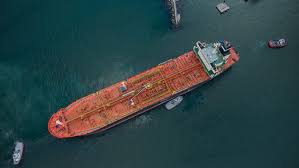
BIMCO Sees Sustained Strength in Crude Tanker Market Amid Supply-Demand Shifts and Geopolitical Risk
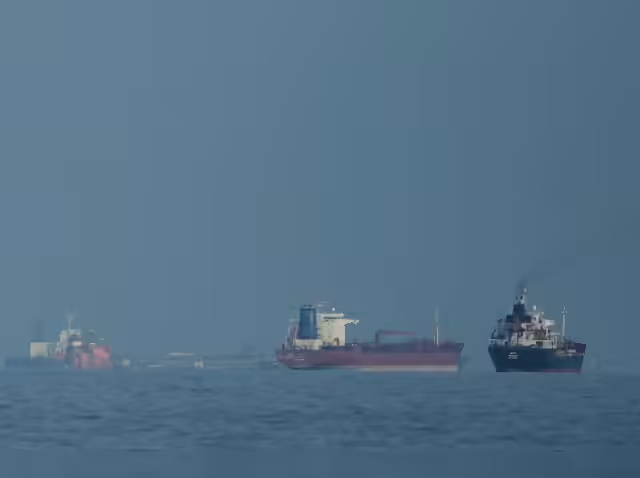
Maritime industry analysts are pointing to robust conditions in the global crude tanker market through 2026 and into 2027, even as structural risks and fleet dynamics create potential headwinds in the medium term. According to the latest Tanker Shipping Market Overview & Outlook published this week by the global shipowners’ association BIMCO, crude tanker earnings are expected to remain firm in the near term, underpinned by inventory growth, oil production trends, and geopolitical tensions that are tightening vessel availability.

“We expect continued strong market conditions for crude tankers in 2026 and 2027 despite some weakening in 2027,” said Niels Rasmussen, Chief Shipping Analyst at BIMCO, in the association’s February 2026 report. In contrast, BIMCO forecasts that the product tanker market—which carries refined petroleum products rather than crude—will weaken over the same period as fleet growth outpaces demand.
Global Oil Supply and Demand: A Foundation for Tanker Activity
Central to BIMCO’s bullish view on the crude sector is the projected imbalance between oil supply and demand. Data from the International Energy Agency (IEA) indicates global oil demand is set to grow by approximately 0.9 million barrels per day (mbpd) in 2026, while supply is projected to expand by around 2.4 mbpd, leading to an oversupply peak of about 4.1 mbpd in the second quarter of the year. Meanwhile, forecasts from the U.S. Energy Information Administration (EIA) suggest slightly faster demand growth of 1.2–1.3 mbpd annually during 2026–27 with supply expanding by 1.6 mbpd in 2026 and 0.9 mbpd in 2027.
Such oversupply dynamics have implications for crude oil inventories. The EIA expects that oversupply will encourage continued inventory expansion through 2026, a factor that supports increased tonnage needs for oil transportation and storage at sea. Under these conditions, tankers are often kept at sea longer or used as floating storage, boosting demand for fleet capacity. However, BIMCO also warns that inventory builds could taper off in 2027, which could soften tanker demand as stock levels begin to draw down.
Geopolitical Risks Amplify Market Tightness
Beyond the supply-demand picture, geopolitical tensions are playing an outsized role in shaping tanker market sentiment. The report highlighted the enduring volatility surrounding the Strait of Hormuz, a strategic chokepoint through which roughly 30% of global seaborne oil exports flow. While the strait has not been fully closed historically, escalating tensions between the United States and Iran in recent months have elevated concerns about potential disruptions to transit routes.
Recent freight-rate data underscores this point. Spot rates for very large crude carriers (VLCCs) on routes from the Middle East to Asia have climbed to multi-year highs, a trend attributed in part to heightened geopolitical risk and strong export activity from Gulf producers such as Saudi Arabia and the UAE. These elevated rates reflect both higher cargo enquiries and constrained vessel availability as charterers seek to secure tonnage in a tightening market.
Analysts note that conflict risk and related uncertainties may continue to support tanker earnings near term, even as broader macroeconomic pressures weigh on oil demand and freight costs. ﹘
Fleet Dynamics: Growth, Recycling, and Age Profile
Despite optimism about market conditions, BIMCO cautioned that fleet growth and low recycling activity could undermine future strength—particularly beyond 2027. In its report, the association highlighted that a significant portion of the crude and product tanker fleets remains older, with ships aged 20 years or more accounting for up to 22% of total crude capacity and 59% of product tanker capacity. If older vessels are not recycled at historic levels, fleet supply could swell at a time when demand growth is projected to moderate.
The order books for new tankers also point to rising capacity. BIMCO noted that the crude tanker order book has increased by about 24% since its last forecast, with the order-book-to-fleet ratio now around 18% for crude vessels. Unless offset by recycling, this rising pipeline of newbuilds could lead to greater supply pressure in the latter half of the decade.
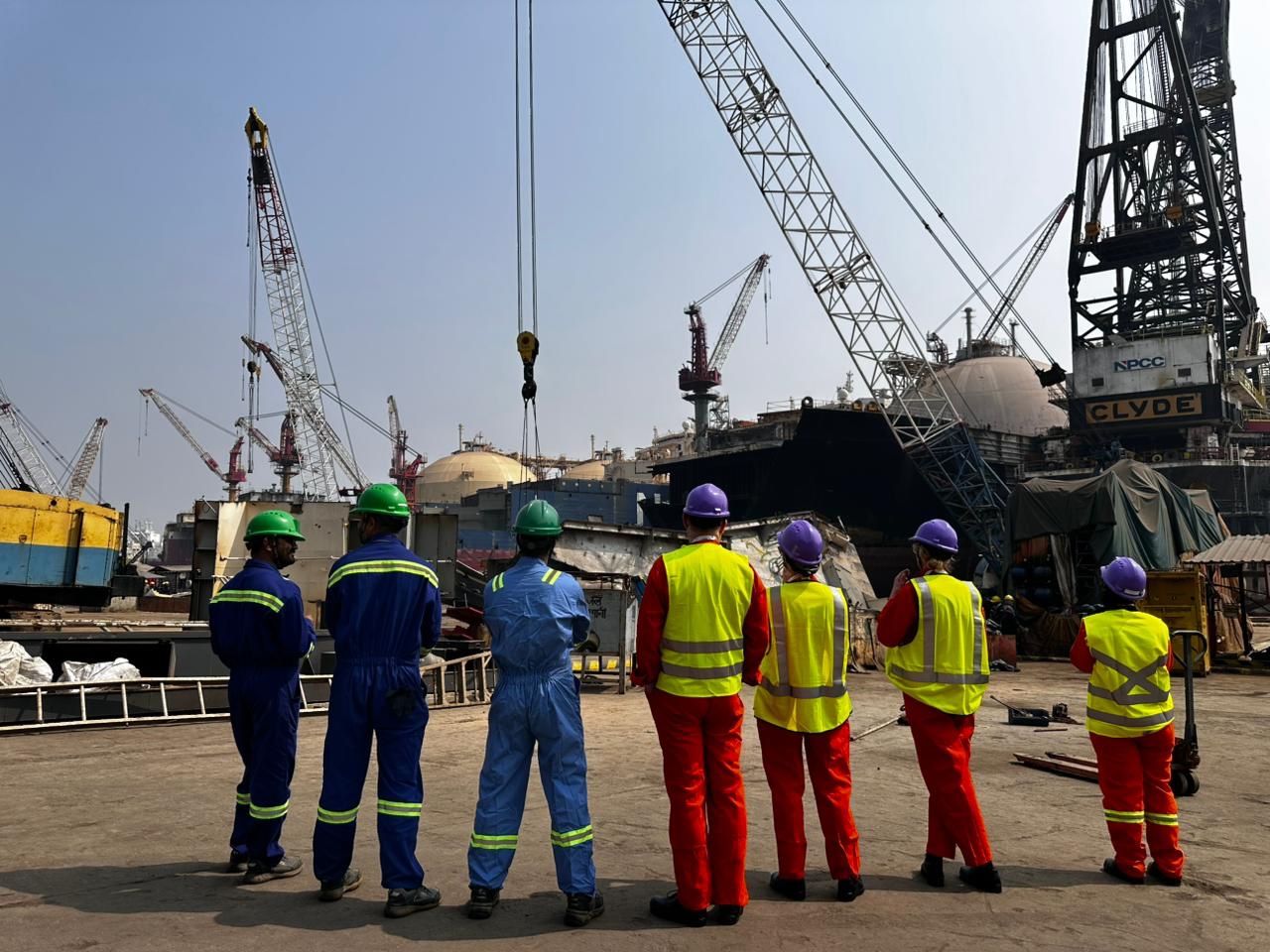
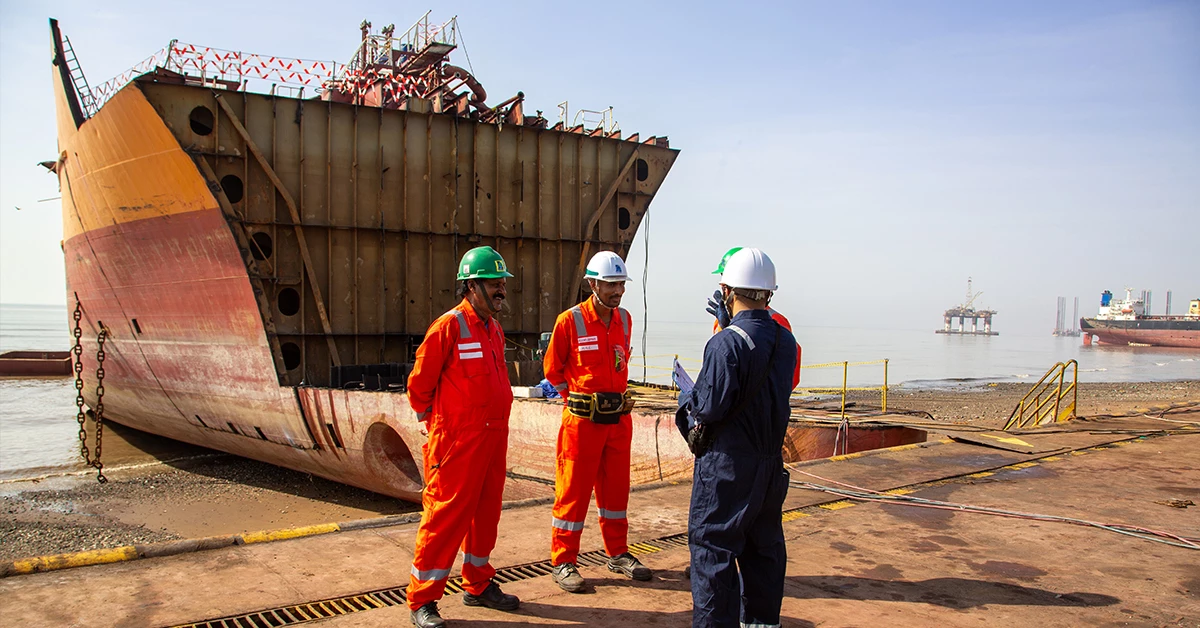
Recycling activity—scrapping older ships to reduce total fleet capacity—has been subdued across tanker segments in recent years. Regulatory barriers, sanctions on certain flagged vessels (notably those linked to Russia and Iran), and historically strong asset values have discouraged owners from selling old tonnage. BIMCO argued that a resurgence in recycling would be necessary to balance future capacity growth against demand, especially if weaker product markets persist.
Product Tanker Market Faces Challenges
While crude tankers enjoy supportive fundamentals in the near term, the picture is less rosy for product tankers. BIMCO’s outlook anticipates weaker earnings and market conditions through 2026–27 as deliveries of new product tankers accelerate and cargo demand growth fails to keep pace. The larger product fleet—combined with slower freight-rate growth compared to crude segments—could place downward pressure on revenue prospects, particularly in more competitive trading lanes.
Looking Ahead
Overall, BIMCO’s latest tanker market outlook underscores a complex interplay of supply dynamics, geopolitical risk, fleet evolution, and demand trends that will shape shipping conditions over the next two years. While crude tanker markets are forecast to stay strong into 2027, several structural risks—particularly around fleet excess and slowing inventory expansion—could reshape the landscape beyond the immediate horizon. The contrast between crude and product tanker performance highlights ongoing segmentation in maritime demand drivers, reflecting broader shifts in global energy markets.

Author: shipping inbox
shipping and maritime related web portal