



Bangladesh Ship Recycling Board: BSTI Signs MoU to Strengthen Standards and Compliance in Ship Recycling Sector
28 November 2025 — Dhaka
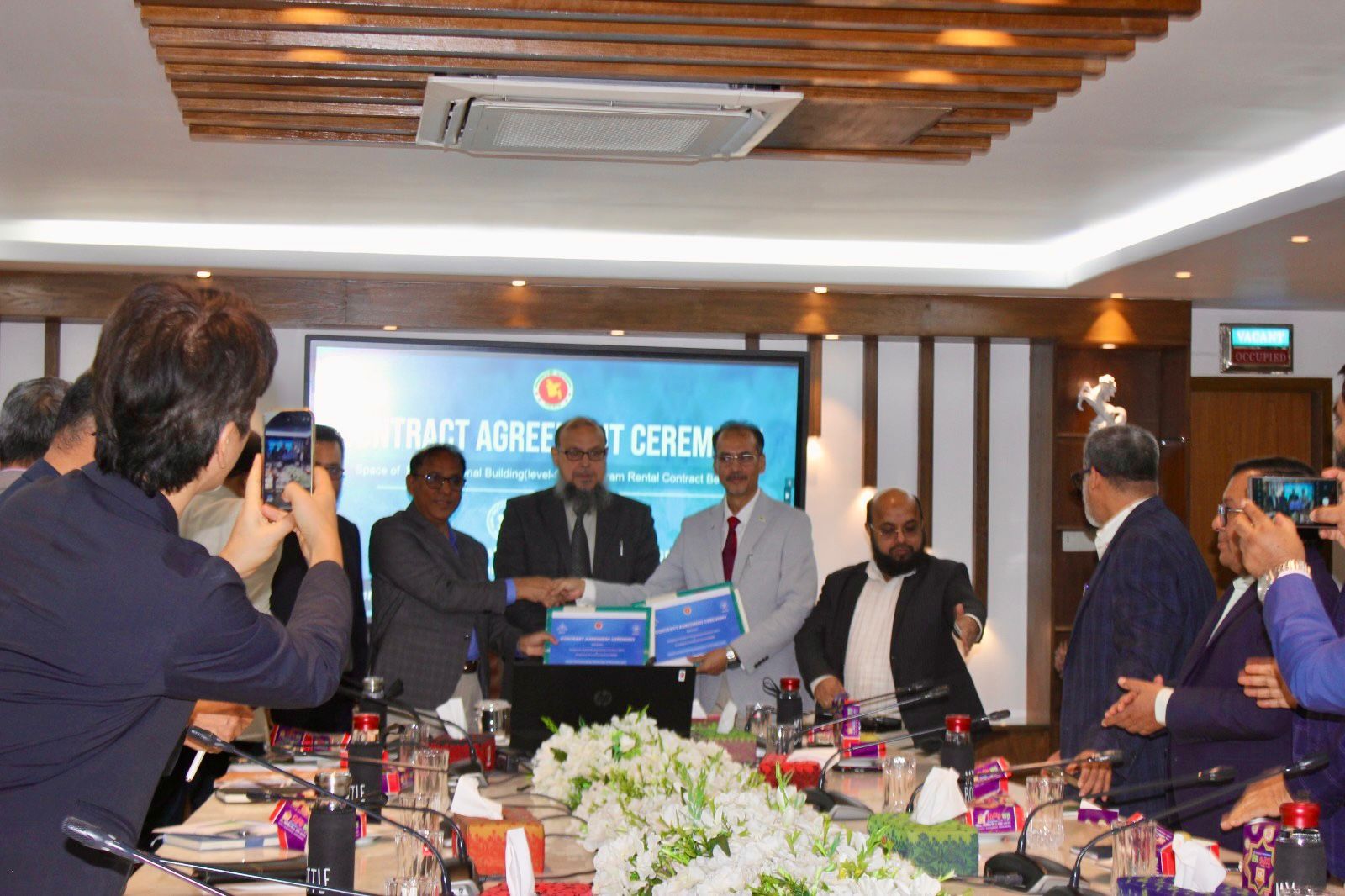
In a significant step toward enhancing safety, environmental responsibility and international compliance in Bangladesh’s ship recycling industry, the Bangladesh Ship Recycling Board (BSRB) and the Bangladesh Standards and Testing Institution (BSTI) signed a landmark Memorandum of Understanding (MoU) on Wednesday, 27 November 2025. The agreement, formalised at the Ministry of Industries’ conference room, signals a new phase of coordinated regulatory action and capacity-building within one of the country’s most globally influential industrial sectors.

The ceremony was attended by senior government officials, including Md. Obaidur Rahman, Secretary of the Ministry of Industries (MoInd); S M Ferdous Alam, Director General (Grade-1) of BSTI; and A.S.M. Shafiul Alam Talukder, Director General of BSRB. Also present were high-ranking representatives from MoInd, BSTI and BSRB, underscoring the shared commitment to driving institutional reforms and elevating Bangladesh’s standing in the global ship recycling market.
A Collaborative Framework for a Safer, Greener Future
The MoU establishes a strategic framework for cooperation between the two institutions on several priority fronts, particularly those that align Bangladesh’s practices with the Hong Kong International Convention for the Safe and Environmentally Sound Recycling of Ships (HKC). The convention — adopted by the International Maritime Organization (IMO) and due to enter force globally in June 2025 — sets mandatory safety, labour and environmental standards for shipbreaking and recycling operations.
Under the new agreement, BSRB and BSTI will work together to:
-
Strengthen standardisation and certification mechanisms across the ship recycling value chain, ensuring all facilities and processes meet nationally and internationally recognised benchmarks.
-
Enhance compliance monitoring and regulatory alignment, with BSTI’s testing and certification expertise complementing BSRB’s oversight role within ship recycling yards.
-
Expand technical and institutional capacity, including specialised training for inspectors, auditors and industry personnel to improve workplace safety and environmental protection.
-
Support the transition toward HKC-compliant operations, helping recycling yards upgrade processes, documentation and hazardous material handling systems in line with global expectations.
Officials emphasised that this collaboration is critical for Bangladesh to retain its position as a global leader in ship recycling, an industry that has faced increasing scrutiny from international regulators, shipowners and environmental groups.
Strengthening the Industry Ahead of Global Compliance Deadlines
Speaking at the ceremony, the Ministry of Industries Secretary, Md. Obaidur Rahman noted that the MoU reflects the government’s determination to improve governance and sustainability in the sector. He highlighted that the integration of BSTI’s quality assurance systems with BSRB’s industry-specific regulatory mandate will not only strengthen compliance but also increase transparency and accountability.
BSRB Director General A.S.M. Shafiul Alam Talukder added that the agreement comes at a crucial moment, as global shipowners increasingly demand recycling facilities that fully conform to the Hong Kong Convention. “This partnership enables us to align our national standards with international best practices. It reinforces our commitment to ensuring that Bangladesh’s ship recycling industry continues to operate safely and sustainably,” he said.
BSTI Director General S M Ferdous Alam echoed these sentiments, stressing that BSTI’s expertise in standard-setting, testing and certification would help ensure a more robust regulatory regime. He emphasised that enhanced monitoring and data-driven quality assessments would strengthen confidence among both domestic institutions and global partners.
Advancing National Priorities Through Institutional Synergy
The MoU is expected to catalyse several joint initiatives, including the development of updated standards for recycled steel products, hazardous material management, fire safety protocols, worker training modules and environmental monitoring frameworks. Both organizations will form dedicated working groups to operationalise the goals defined in the MoU, focusing on practical measures to improve yard performance and ensure seamless compliance checks.
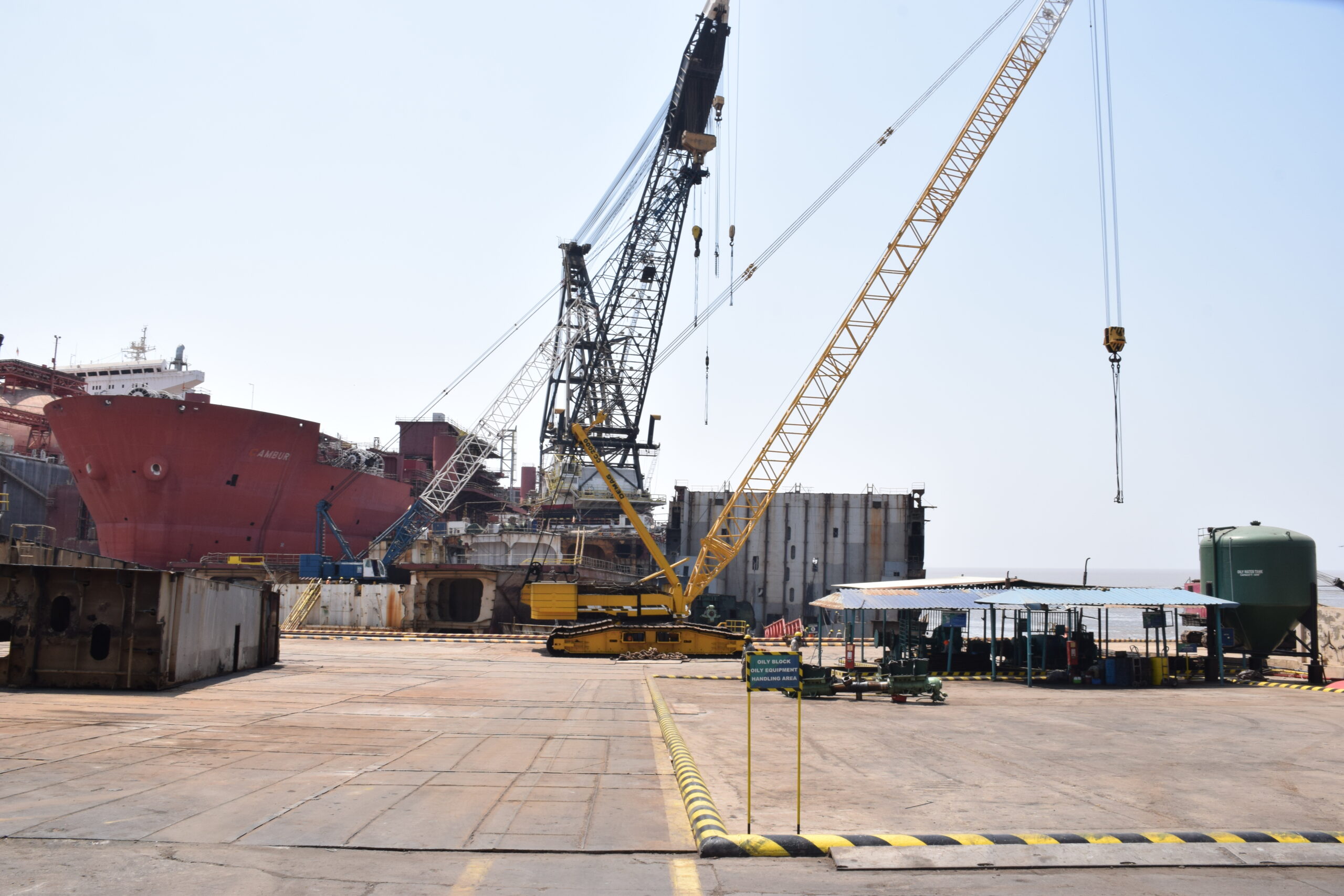
Industry observers say the collaboration may also support the country’s ongoing efforts to upgrade infrastructure in Chattogram’s Sitakunda region, where most ship recycling yards are located. Enhanced regulatory alignment could accelerate certification timelines and encourage yards to invest in improved waste management systems, impermeable flooring, drainage controls and worker protective facilities.
A Milestone for Bangladesh’s Global Maritime Profile
Bangladesh currently accounts for a significant share of the global ship recycling market, contributing both to the local steel industry and to broader economic activity. However, international markets are increasingly tightening sustainability requirements, placing added pressure on recycling nations to upgrade standards, facilities and enforcement mechanisms.
With the Hong Kong Convention entering into force in 2025, the country’s ability to demonstrate compliance has become not just a regulatory necessity but a strategic economic priority. The BSRB–BSTI MoU directly addresses this challenge by strengthening institutional linkages and ensuring coordinated implementation of reforms.
Looking Ahead
The MoU signing marks a promising new chapter for Bangladesh’s ship recycling governance. By enhancing collaboration between two key national institutions, the agreement lays a stronger foundation for safer workplaces, reduced environmental impacts and modernized operational practices within the sector.

Author: shipping inbox
shipping and maritime related web portal