



Alang ship recycling sees higher tonnage in 2025 despite fewer vessels; December emerges as weakest month
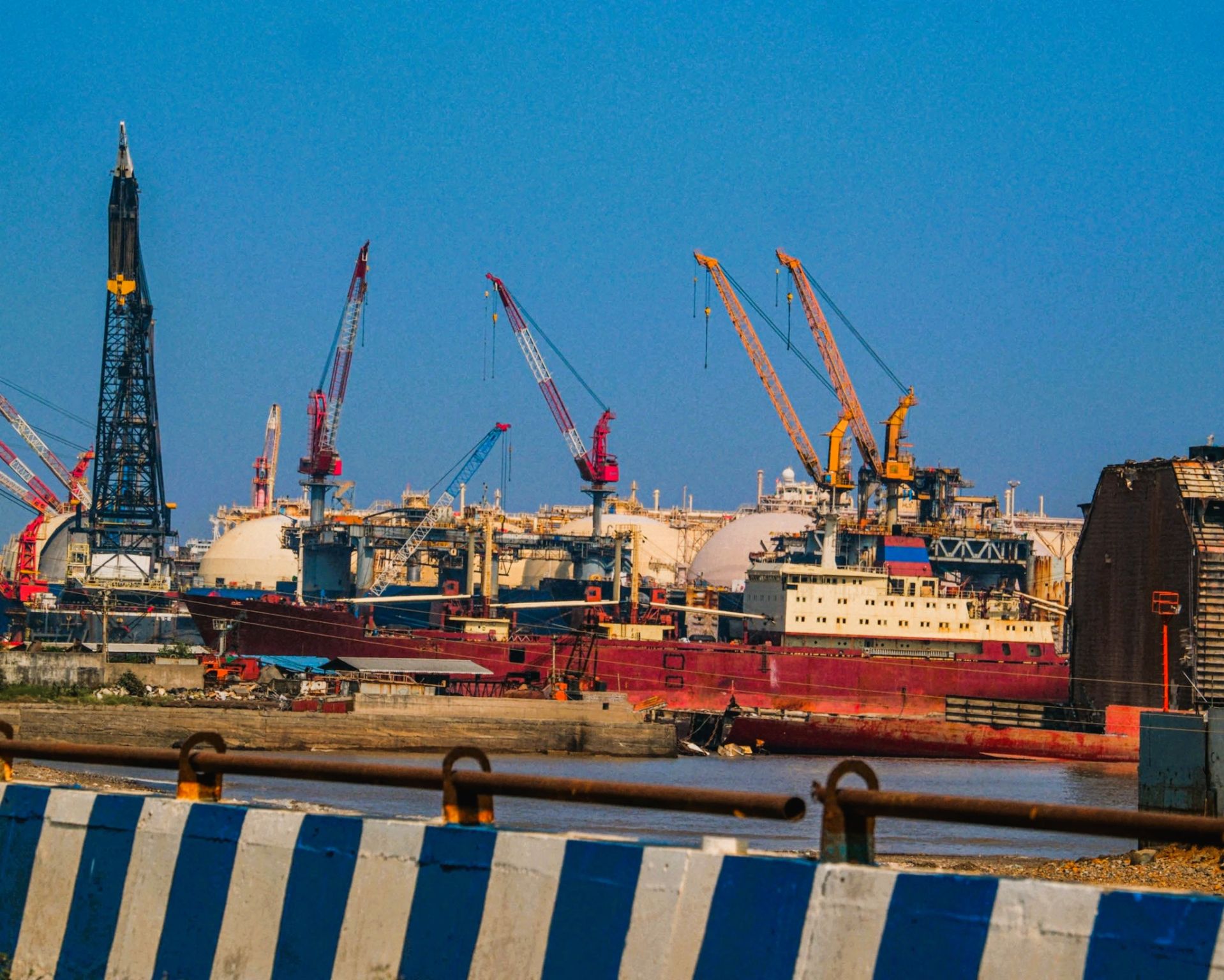
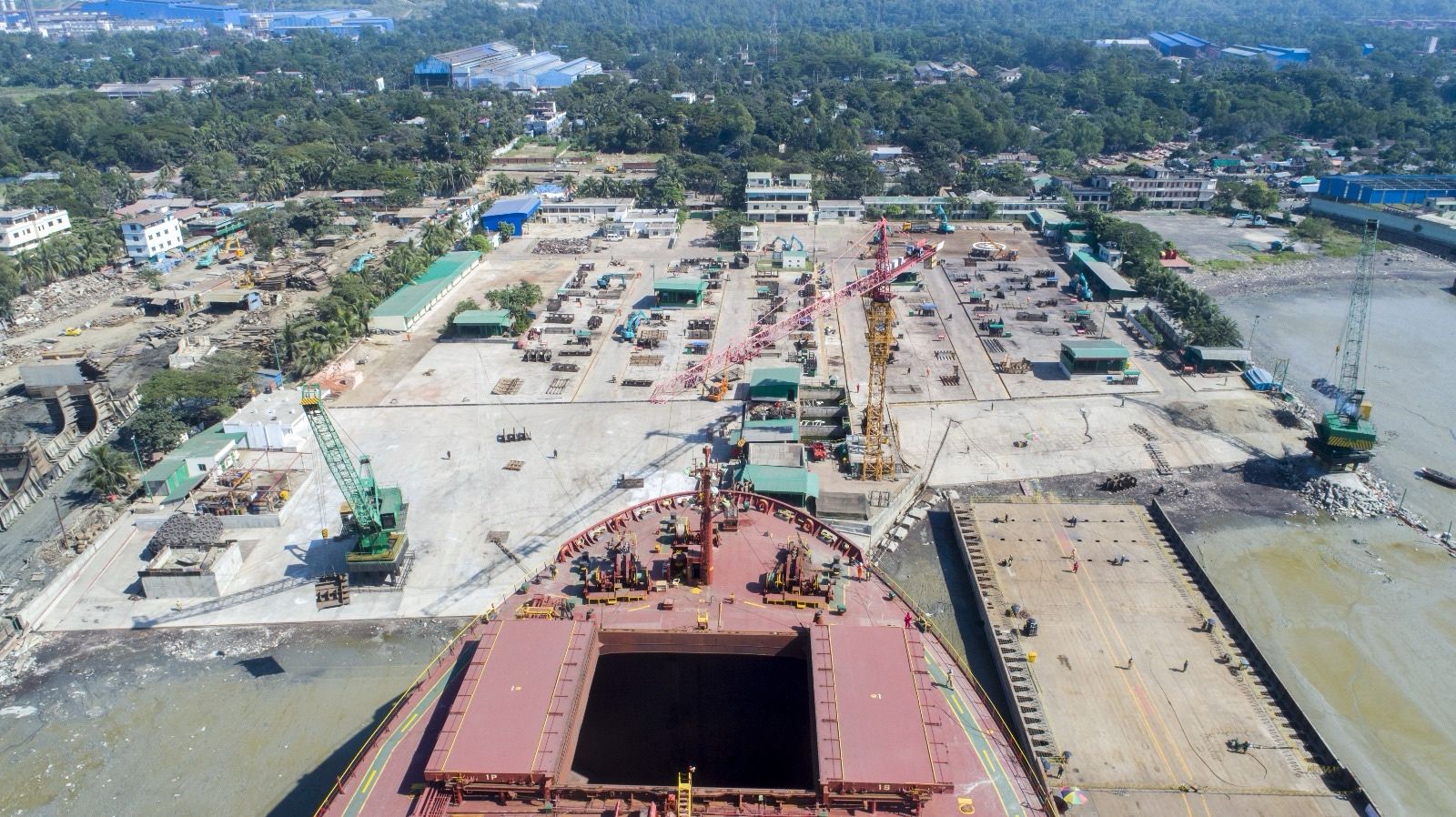
After grappling with a prolonged slowdown over the past three years, the Alang–Sosiya ship recycling yard — the world’s largest — has recorded a mixed performance in calendar year 2025. While the industry managed to achieve its highest tonnage intake in three years, the number of vessels beached declined compared to 2023, underlining persistent structural and market challenges confronting India’s flagship ship recycling hub.

According to industry data, a total of 121 ships were beached at Alang in 2025, yielding a combined 12,21,916.51 metric tonnes (LDT). This represents a notable improvement over 2024, when 110 vessels with a total tonnage of 7,73,000.26 LDT arrived. In contrast, 2023 saw a higher vessel count of 137 ships, but with a lower overall tonnage of 10,48,093.50 LDT.
In simple terms, fewer but larger vessels reached Alang in 2025, pushing total tonnage to its highest level in three years. However, industry stakeholders caution that this apparent recovery remains fragile, especially as the year ended on a particularly weak note.
December 2025: the lowest point
December 2025 turned out to be the worst-performing month of the year for Alang, both in terms of vessel numbers and tonnage. Only four ships, amounting to 25,223 metric tonnes, were beached during the month — the lowest monthly figures recorded throughout the year.
This sharp decline capped a year that had already been uneven. While the period from July to November 2025 showed comparatively better momentum, the final month erased much of the optimism generated during the second half. Industry players note that the slowdown in the last four months indicates a loss of momentum just as the year drew to a close.
An uneven year: early disappointment, mid-year revival
The first six months of 2025 were described by recyclers as “extremely disappointing”, with subdued arrivals and cautious buying sentiment. Monthly data reflects this subdued start, with January to June seeing modest vessel numbers and inconsistent tonnage inflows.
A turnaround became visible from July 2025, when Alang witnessed a spurt in activity. July alone recorded 12 ships with 1,46,034.01 LDT, followed by robust arrivals in August, September and October. September emerged as the strongest month of the year, with 15 ships contributing a hefty 1,83,647.47 LDT, the highest monthly tonnage in 2025.
However, this revival proved short-lived. By November, and more sharply in December, activity slowed considerably, reinforcing concerns that the recovery lacks durability.
Three-year comparison: tonnage up, confidence still weak
A comparison of the past three calendar years highlights the paradox facing Alang. While 2025 registered the highest tonnage, the number of ships remained well below 2023 levels. Compared to 2024, Alang handled 11 more ships in 2025 and an additional 4,48,916.25 LDT of tonnage. Yet, the overall market sentiment has remained cautious.
Industry experts point out that higher tonnage figures alone do not necessarily translate into better profitability. Larger vessels involve higher capital commitments, longer recycling cycles and greater compliance costs, especially under stricter international regulations.
Dollar strength, weak scrap prices weigh on sentiment
According to Rameshbhai Mendpara, Vice-President of the Ship Recycling Industries Association (India), macroeconomic factors have played a decisive role in shaping market behaviour over the past year.
“From July 2025, there were encouraging signs in ship recycling activity. However, the continuous appreciation of the US dollar against the Indian rupee has created serious challenges in balancing costs and revenues,” Mendpara said.
Most end-of-life vessels are purchased in dollars, while revenues from recycled steel and scrap are realised in rupees. A stronger dollar, therefore, increases acquisition costs and squeezes margins. At the same time, the local scrap market has remained soft, limiting the ability of recyclers to pass on higher costs.
“As a result, end buyers have largely adopted a ‘wait-and-watch’ approach,” Mendpara added, explaining the hesitation seen in recent months.
Impact of international conventions
Another significant factor affecting Alang’s performance has been the implementation of international environmental and safety standards, particularly the Hong Kong International Convention for the Safe and Environmentally Sound Recycling of Ships.
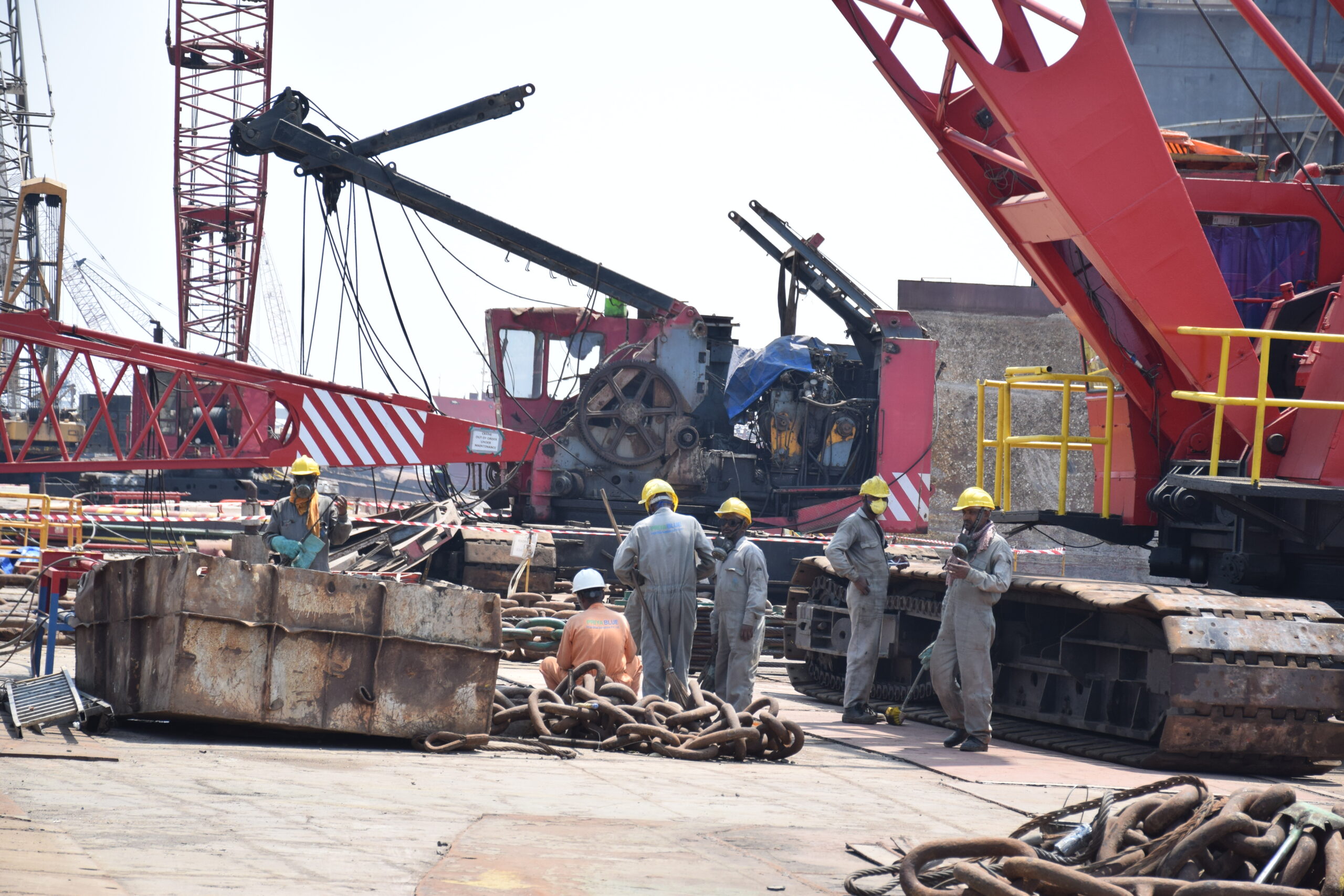
India formally enforced the Hong Kong Convention at Alang from June 2025, though many yards had already begun aligning operations with global norms well before that date. Compliance with these standards — covering hazardous material handling, worker safety, and environmental safeguards — has inevitably slowed down daily production processes.
“Compared to earlier years, the pace of recycling has reduced,” industry sources said. “While this is a positive development from a sustainability and safety perspective, it has had a visible impact on annual output figures.”
The stricter norms have increased operational costs and extended recycling timelines, particularly for larger vessels, further testing the financial resilience of yard operators.
Global uncertainty adds to pressure
Beyond domestic factors, global shipping and recycling markets have remained volatile. Uncertainty in freight rates, geopolitical tensions, and fluctuating steel demand have influenced shipowners’ decisions on when and where to scrap vessels. Competition from other South Asian recycling destinations has also intensified, even as India positions itself as a compliant and responsible recycling destination.
Cautious outlook for 2026
As Alang enters 2026, industry participants remain guarded in their outlook. While the higher tonnage achieved in 2025 offers some encouragement, the sharp slowdown towards the year-end highlights unresolved vulnerabilities.
Stakeholders agree that currency stability, improvement in domestic scrap prices, and policy support will be critical for sustaining recovery. At the same time, the industry acknowledges that adherence to international conventions is non-negotiable if Alang is to maintain its global standing.
For now, Alang’s 2025 performance stands as a year of contrasts — marked by record tonnage, fewer ships, a brief mid-year revival, and a sobering finish that underscores the challenges still facing India’s ship recycling industry.

Author: shipping inbox
shipping and maritime related web portal