



Regulatory Compliance Critical to Navigating ‘Shadow Fleet’ Risks: GMS Chief at Dubai Maritime Forum

DUBAI — The rapid expansion of the global “shadow fleet”—ageing tankers and cargo vessels operating outside traditional regulatory, insurance, and safety frameworks to bypass international sanctions—poses an acute environmental and operational threat to the maritime sector, industry leaders warned at the Capital Link Maritime Forum in Dubai.
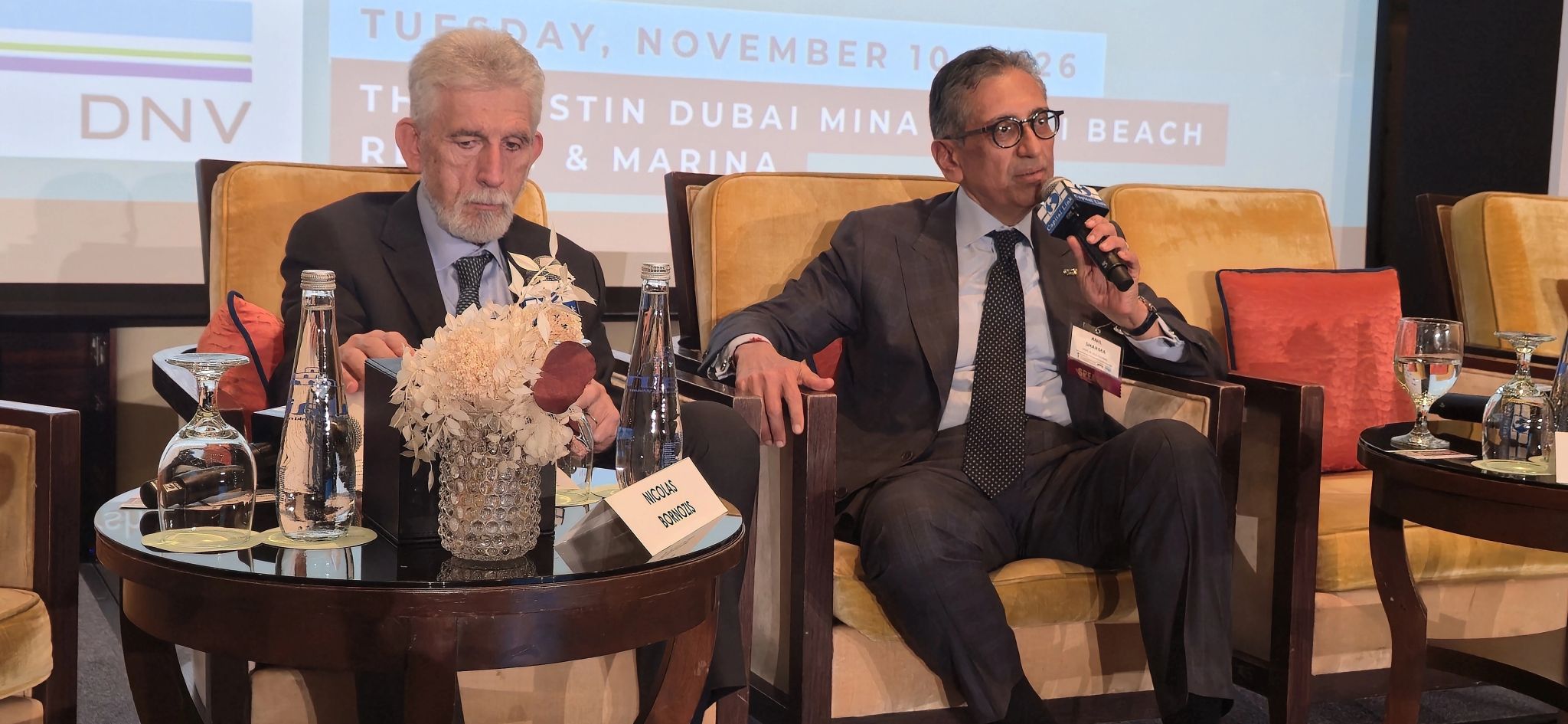
During a keynote one-on-one session titled “The Shadow Fleet: Sanctions, Regulation & the Future of Shipping,” Dr. Anil Sharma, Founder and CEO of global ship-recycling giant GMS and shipowner Lila Global, joined Capital Link President Nicolas Bornozis to address the mounting pressures facing international shipping.
As geopolitical tensions have fractured traditional trade routes, hundreds of older vessels have been absorbed into opaque ownership structures to transport sanctioned crude and commodities. Many of these ships operate well past their standard commercial lifespans, often lacking verifiable classification society oversight, adequate hull and machinery insurance, or standard maintenance protocols.
“The industry is grappling with a dual challenge: maintaining global supply chain fluidity while safeguarding our oceans and seafarers from substandard tonnage,” Dr. Sharma noted during the discussion. He emphasized that as these ageing vessels reach the end of their operational lives, finding safe, legal, and environmentally sound exit pathways becomes paramount to preventing maritime casualties and ecological disasters.
A central theme of the dialogue was the complex intersection of international sanctions and responsible ship recycling. Historically, vessels flagged or linked to sanctioned entities have been effectively stranded from legitimate recycling markets, as cash buyers, yards, and financial institutions risk secondary penalties for handling them.
Dr. Sharma detailed how GMS has worked to bridge this regulatory divide by securing landmark licensing from the U.S. Department of the Treasury’s Office of Foreign Assets Control (OFAC) for ship recycling. According to Sharma, establishing a compliant framework for dismantling sanctioned tonnage required years of sustained engagement with international regulators, policymakers, and government authorities.
“Building trust with regulatory bodies does not happen overnight,” Sharma explained. “It requires transparency, rigorous due diligence, and an unwavering commitment to compliance. By creating a sanctioned-yet-regulated pathway for end-of-life vessels, we can ensure these ships are dismantled safely at certified facilities rather than left to deteriorate in international waters.”
Bornozis highlighted that the issue remains one of the most pressing compliance hurdles for shipowners, financiers, and charterers alike, noting that the industry’s long-term sustainability depends on clear, enforceable standards that do not inadvertently trap hazardous vessels in active service.
The session underscored a growing consensus among maritime stakeholders in the Middle East and beyond: while sanctions enforcement continues to reshape global shipping lanes, robust regulatory cooperation and compliant recycling mechanisms are essential to retiring high-risk tonnage and securing the future of clean, safe maritime trade.

Author: shipping inbox
shipping and maritime related web portal