




Global Ship Recycling Plunges to 50-Year Low as Ageing Fleet Balloons Past 340 Million Gross Tons
High freight earnings and strong trading demand keep vintage vessels afloat, leaving demolition yards across South Asia starved of scrap.

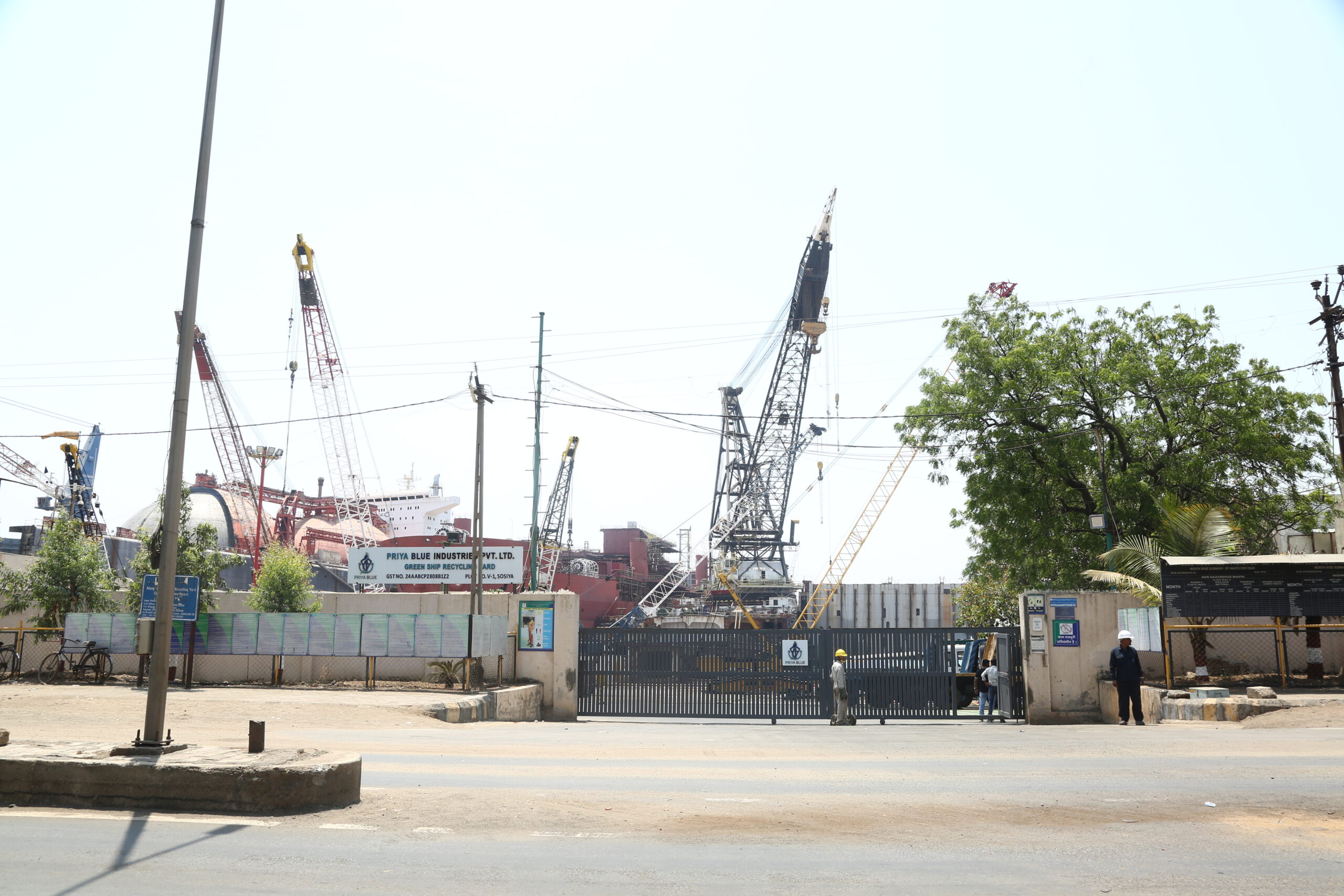
NEW DELHI — In an unprecedented shift across global maritime trade, shipbreaking activity has tumbled to its lowest level in more than half a century. Despite ship recycling yards offering higher steel scrap prices, shipowners worldwide are choosing to keep ageing, fuel-inefficient vessels in active service, capitalising on sky-high freight rates.
According to data compiled by Clarksons Research, merely 273 vessels—totalling roughly 5.5 million gross tonnage (gt) or about 8 million deadweight tonnage (dwt)—were sold for recycling during the first nine months of the year. This represents a 13% decline compared to an already depressed period last year and stands a striking 60% below the historical averages observed throughout the 2000s and 2010s.
For the fifth consecutive year, less than 0.5% of the world’s merchant fleet tonnage has been decommissioned annually. Analysts note that this marks the longest sustained dry spell for the shipbreaking sector since the early 1970s—even lower than the demolition rates logged during the peak shipping boom of 2006–2008.
The Ageing Fleet Problem
While demolition yards remain quiet, the global fleet is rapidly greying. Driven by reluctance to scrap profitable tonnage, over 340 million gt of merchant vessels are now aged 20 years or older. This figure represents an extraordinary 90% increase in just five years, bringing vintage vessels to nearly one-fifth (20%) of the world’s total commercial fleet, compared to 12% in 2021.
The backlog runs deep:
-
Over 25 years old: Vessels exceeding a quarter-century now top 150 million gt—a 75% rise over five years.
-
Over 30 years old: An all-time high of 68 million gt remains afloat.
The trend is most pronounced in the tanker market, where 22% of active capacity is now over 20 years old, up from just 8% five years ago. The container shipping sector has witnessed a doubling in its share of 20-plus-year-old vessels to 16%, despite massive orderbooks for newbuilds scheduled for delivery in coming years. By contrast, the bulk carrier and liquefied natural gas (LNG) sectors remain relatively younger, with older vessels accounting for 12% and 10% of their respective fleets.
High Freight Rates Eclipse Scrap Value
The primary engine behind this trend is sheer market economics. Even though scrap steel prices in major recycling hubs across the Indian subcontinent—such as Alang in India, Chittagong in Bangladesh, and Gadani in Pakistan—surged 20% to 25% this year, demolition prices cannot compete with day rates at sea.
With benchmark shipping earnings indices such as the ClarkSea Index touching all-time highs above $84,000 per day, shipowners find secondary market chartering and spot voyages vastly more lucrative than cash settlements from breaking yards.
GMS, the world’s largest cash buyer of ships for recycling, described the current market climate as a “test of endurance” between recyclers and shipowners. While beaching yards across South Asia have ample capacity and an appetite to buy, vessel owners hold all the cards: lucrative charter income, buoyant second-hand resale markets, and no immediate financial pressure to retire older hulls.
An Inevitable Supply Wave Ahead
While yards in Bangladesh and Pakistan actively pursue general commercial tonnage, Indian facilities have largely pivoted toward green recycling and specialised units to stay engaged.
Industry analysts caution that the current state of affairs cannot last indefinitely. Tightening environmental regulations, carbon taxes, and mandatory efficiency standards from the International Maritime Organization (IMO) will ultimately catch up with older tonnage.
Once global freight rates eventually normalise, the massive reservoir of older, high-emission vessels will have few alternatives left, likely triggering an unprecedented deluge of demolition activity into South Asian recycling yards in the late 2020s.

Author: shipping inbox
shipping and maritime related web portal