



From Beached Relics to Circular Hubs: New Documentary Spotlights Alang’s Green Transformation
BIMCO’s Breaking Better makes a compelling case for the global maritime industry to re-evaluate modern ship recycling in India.
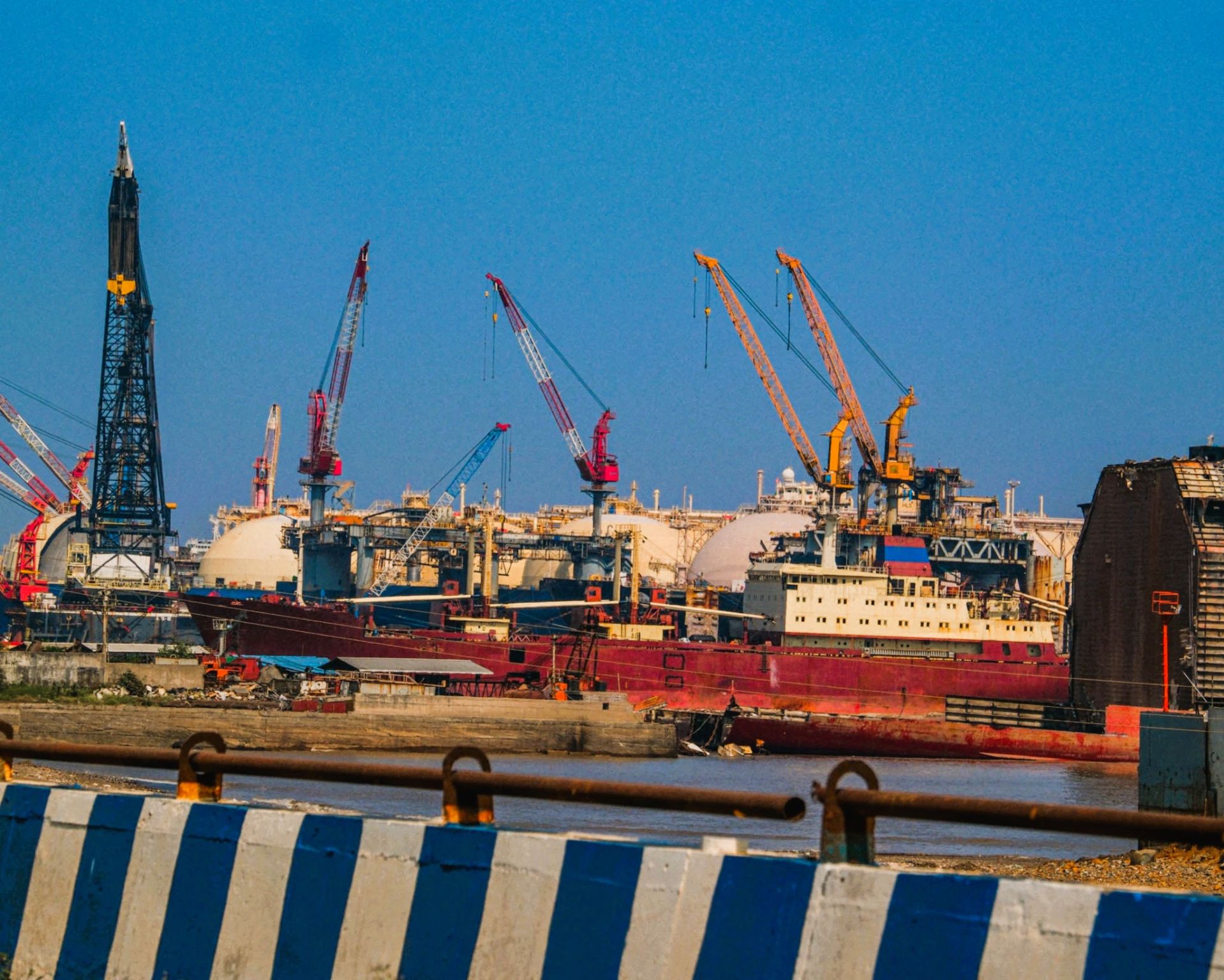
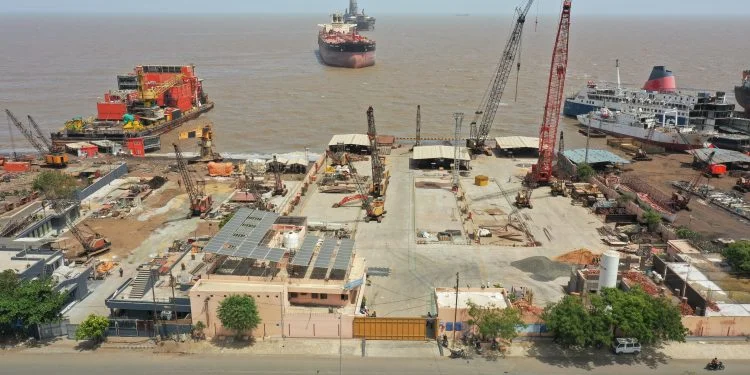
BHAVNAGAR — Long stereotyped as a desolate graveyard for end-of-life ocean vessels, Alang’s ship-breaking coastline in Gujarat is undergoing a quiet, regulatory-backed industrial overhaul. A newly released 36-minute documentary, Breaking Better, produced by the Baltic and International Maritime Council (BIMCO)—the world’s largest international shipping association—pulls back the curtain on the modern reality of ship recycling and circular resource recovery.

The release comes at a crucial juncture for global shipping. BIMCO estimates that over 16,000 vessels—representing roughly 700 million deadweight tonnes—will reach the end of their operational lifespans over the next decade. With the International Maritime Organization’s (IMO) Hong Kong International Convention for the Safe and Environmentally Sound Recycling of Ships (HKC) taking formal effect, international pressure has intensified to find safe, sustainable demolition capacity.
A Firsthand Reassessment
Directed around a fact-finding mission led by BIMCO Secretary General David Loosley and Regional Manager Ashok Srinivasan, the film steps directly onto the beaches and into the yards of Alang. Rather than looking through the historical lens of hazardous, unregulated beaching, the documentary tracks how sustained capital investments and strict compliance regimes have reshaped operations on the ground.
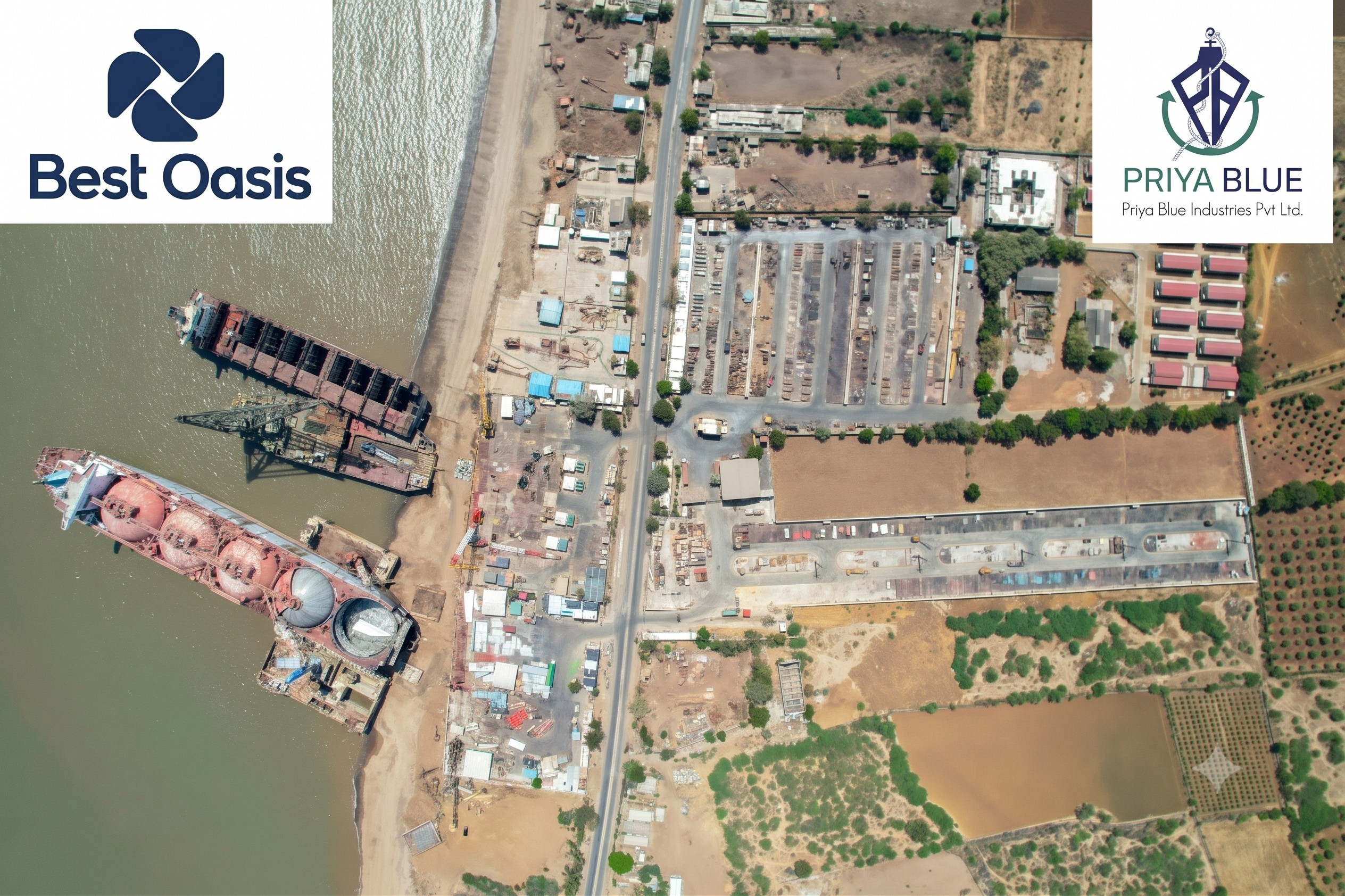
Modern yards featured in the project showcase pre-arrival hazard assessments, impermeable concrete cutting floors, heavy-duty drainage controls, and computerized CNC precision cutting. These protocols prevent hazardous materials—including heavy fuels, bilge water, and asbestos—from leaching into marine ecosystems.
Beyond Scrap: The Circular Economy
A major focus of Breaking Better is debunking the myth that shipbreaking is merely an exercise in melting down rusted iron. The documentary demonstrates that downcycling into furnaces is only the final link in a vast supply chain:
-
Direct Re-use: Usable navigation equipment, generators, pumps, auxiliary engines, and lifeboats are tested, overhauled, and recirculated into global maritime supply networks.
-
Local Secondary Markets: Furniture, fittings, electricals, and kitchenware find immediate second lives in local enterprises and communities across Gujarat and neighboring states.
-
Decarbonizing Steel: Re-rolling scrap steel for use in domestic infrastructure avoids the massive carbon footprint associated with extracting and smelting virgin iron ore.
Human Capital and Welfare
The documentary also examines working conditions, highlighting worker colonies, organized dining facilities, occupational health centers, and rigorous safety-training regimes administered in partnership with trade unions. Interventions such as mandatory personal protective equipment (PPE), gas-free certification prior to hot work, and formal employment benefits reflect a transition away from the informal labor arrangements that previously plagued the coastline.
A Call to Global Regulators
BIMCO’s broader objective with Breaking Better extends directly to European and Western policymakers. Despite the majority of Alang’s active yards earning Statement of Compliance certificates under the Hong Kong Convention, many non-OECD facilities have faced barriers to inclusion on the European Union’s approved Ship Recycling list.
The film argues that excluding modernized developing-world yards threatens to bottleneck global decarbonization goals at the exact moment the industry faces an unprecedented wave of fleet retirements.
As the shipping sector races to meet net-zero timelines, Breaking Better delivers a straightforward message: sustainable maritime progress cannot happen without acknowledging, and partnering with, the yards that responsibly dismantle yesterday’s fleet.

Author: shipping inbox
shipping and maritime related web portal