



THE GREEN ALCHEMISTS OF ALANG: India Sweeps to Global #1 in Ship Recycling, Crushes 2030 Targets Early
NEW DELHI — In a massive triumph for the country’s blue economy, India has officially emerged as the world’s leading ship-recycling nation. Breaking records and outstripping global competition, the country has achieved its ambitious Maritime India Vision (MIV) 2030 targets years ahead of schedule, cementing its position as a global hub for sustainable maritime industrial growth.

According to the latest report from the United Nations Conference on Trade and Development (UNCTAD), India’s share of the global ship recycling market surged from 30.1% in 2024 to 35.4% in 2025.
The sheer volume of recycling activity tells an even more dramatic story of industrial scale-up. India’s ship recycling volume skyrocketed from 1.86 million Gross Tonnage (GT) to 2.99 million GT—representing a staggering 60% year-on-year growth.
The Anatomy of a Turnaround: Policy Meets Compliance
This milestone is not an overnight fluke but the result of a meticulously planned structural overhaul. Historically, shipbreaking was viewed through the lens of environmental hazards and labour vulnerabilities. Today, India has completely rewritten that narrative.
The catalyst for this transformation traces back to the enactment of the Ship Recycling Act, 2019, and India’s proactive alignment with the Hong Kong International Convention (HKC) for the Safe and Environmentally Sound Recycling of Ships. By codifying strict international safety and environmental benchmarks into domestic law, India forced a rapid evolution across its coastal yards.
“What we are witnessing is a textbook example of how strict regulation, when backed by industrial will, creates global competitiveness,” said a senior official from the Ministry of Ports, Shipping, and Waterways. “We didn’t just expand our capacity; we elevated our standards.”
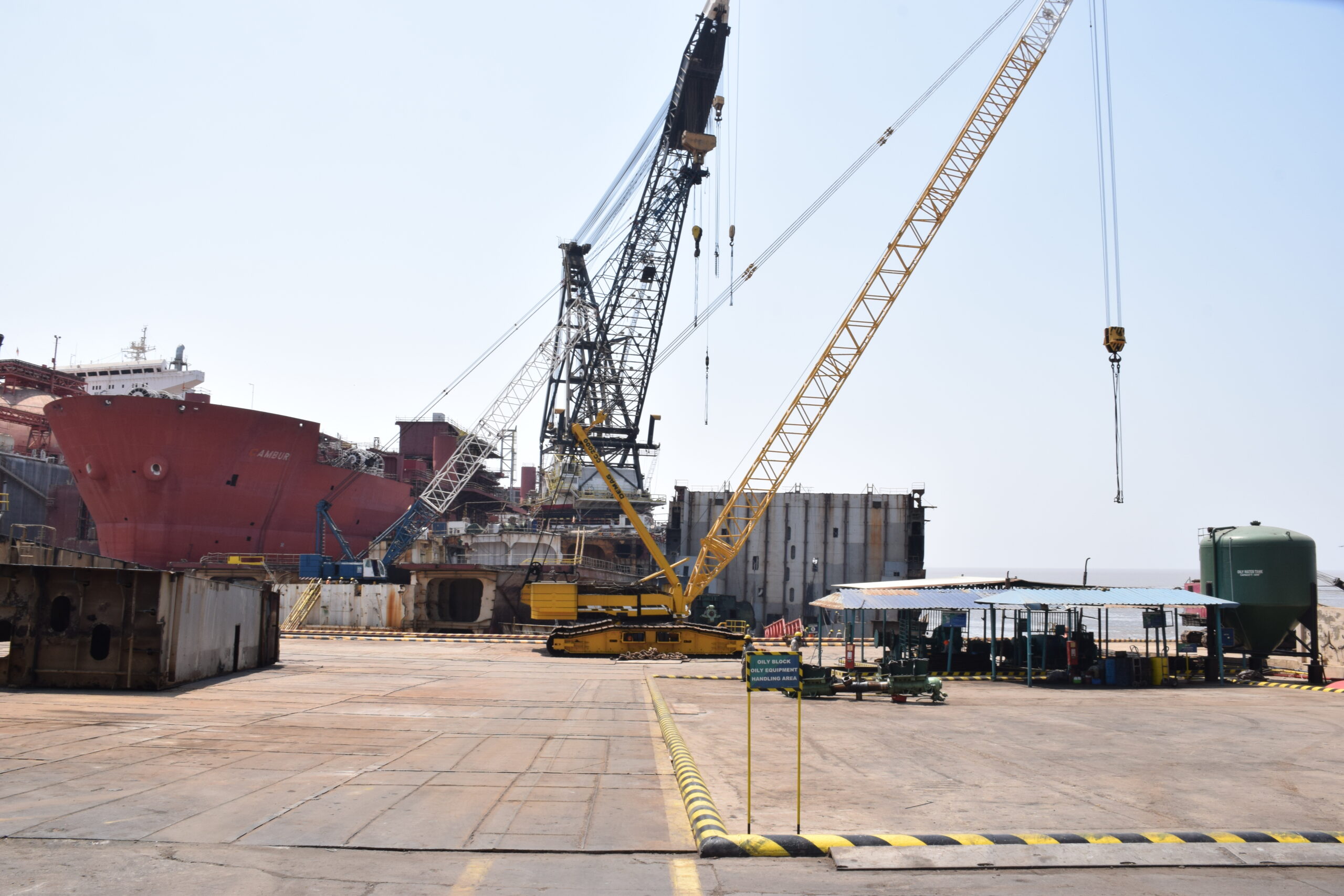
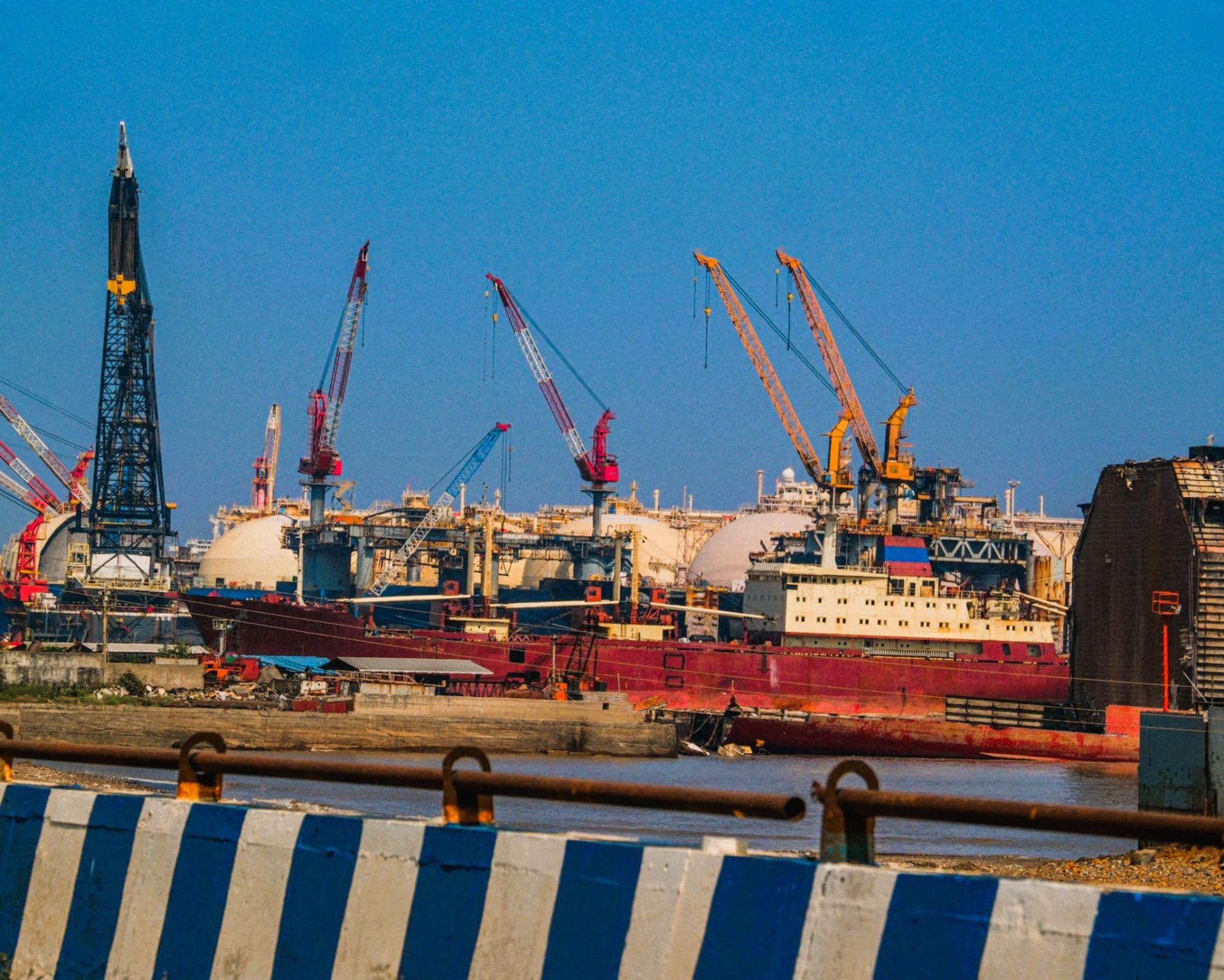
The modernisation of recycling yards—primarily concentrated around Alang in Gujarat, the world’s largest shipbreaking graveyard turned high-tech recycling hub—has been sweeping. The widespread adoption of stringent ISO standards (including ISO 9001, 14001, and 45001) has transitioned these yards from basic demolition sites into sophisticated, clean industrial ecosystems.
Feeding the Circular Economy: The Rise of ‘Green Steel’
At the core of India’s new maritime dominance is an aggressive push toward a circular economy. Ships are essentially massive floating mines of high-grade steel, and India has mastered the art of reclaiming this resource.
The scrap steel recovered from these decommissioned leviathans is playing a critical, secondary role in fulfilling the country’s Green Steel goals. By utilizing recycled steel rather than producing it from scratch via blast furnaces, the domestic manufacturing sector is achieving three critical milestones:
-
Drastic Emission Reductions: Lowering the carbon footprint of domestic infrastructure projects.
-
Energy Conservation: Cutting down the massive energy outlays traditionally required to process virgin iron ore.
-
Resource Independence: Lowering the nation’s heavy reliance on imported raw materials.
Furthermore, the introduction of digital governance systems and lifecycle-based compliance frameworks has brought unprecedented transparency to the sector. Every metric ton of material entering and leaving the yards is tracked, ensuring hazardous materials are disposed of safely while valuable alloys are seamlessly funneled back into the industrial supply chain.
The Horizon: Destination 9 Million LDT
While capturing over a third of the global market is cause for celebration, India is not resting on its laurels. The government has already set its sights on the next frontier: a massive expansion of the Alang Ship Recycling Yard.
Plans are already underway to scale up total national recycling capacity to nearly 9 million Light Displacement Tonnage (LDT). This expansion is designed to attract larger, more complex commercial and naval vessels from European and North American fleets, which strictly require HKC-compliant yards for decommissioning.
By scaling up infrastructure while keeping the carbon footprint down, India is sending a clear message to the international maritime community: economic growth and environmental stewardship do not have to be zero-sum games. As global shipping lines face tightening decarbonization deadlines, India stands ready at the shoreline, torch in hand, leading the world into a cleaner, greener maritime future.

Author: shipping inbox
shipping and maritime related web portal