



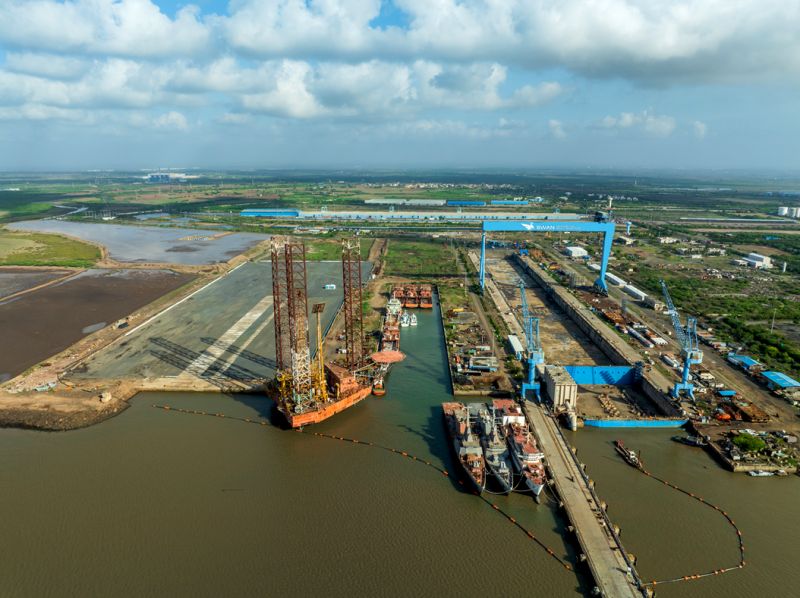
India Secures First Ammonia Dual-Fuel Bulk Carrier Order- Signalling Shift Toward Green Shipbuilding

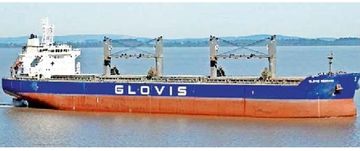
In a significant milestone for the country’s maritime industry, India has secured its first order to construct ammonia dual-fuel bulk carriers, marking a major step forward in sustainable shipbuilding and clean energy adoption. The contract involves the construction of four bulk carriers, each with a capacity of 92,500 deadweight tonnage (DWT), making it one of the largest commercial shipbuilding projects ever undertaken at an Indian shipyard.
The development is being hailed as a defining moment for India’s shipbuilding sector, which has long sought to establish itself as a competitive force in the global maritime industry. With increasing international pressure to decarbonize shipping and reduce greenhouse gas emissions, the adoption of ammonia as a marine fuel represents a forward-looking move aligned with global environmental goals.
Ammonia is widely regarded as one of the most promising alternative fuels for the shipping industry due to its zero carbon emissions at the point of use. While challenges remain in terms of storage, handling, and infrastructure, its potential to significantly reduce the carbon footprint of maritime transport has attracted growing attention from shipowners and regulators worldwide.
The new bulk carriers will be designed to operate on a dual-fuel system, allowing them to run on both conventional fuel and ammonia. This flexibility is seen as a practical transitional solution as the industry gradually shifts toward fully sustainable fuels. The vessels are expected to incorporate advanced engineering systems, safety features, and fuel management technologies necessary for handling ammonia, which is toxic and requires specialized containment systems.
Industry experts note that securing such a complex and technologically demanding order demonstrates the increasing maturity and capability of Indian shipyards. Traditionally, India has played a smaller role in global shipbuilding compared to countries such as South Korea, China, and Japan. However, recent investments in infrastructure, workforce development, and policy support have begun to strengthen the country’s position.
The project also reflects confidence among global shipping stakeholders in India’s ability to deliver high-quality, large-scale vessels that meet evolving environmental standards. As international regulations tighten, particularly under frameworks aimed at reducing emissions from shipping, demand for next-generation vessels is expected to rise sharply.
Government initiatives promoting domestic manufacturing and maritime development have further contributed to this momentum. Policies encouraging “Build in India” and boosting local industrial capacity have created an enabling environment for such landmark deals. The shipbuilding sector, in particular, is being positioned as a strategic industry with strong export potential.
Beyond its industrial significance, the order is expected to generate substantial economic benefits, including job creation, skill development, and supply chain growth. The construction of these vessels will require coordination across multiple sectors, from steel manufacturing to advanced engineering services, thereby stimulating broader economic activity.
Environmental advocates have also welcomed the development, noting that investments in green shipping technologies are essential to meeting global climate targets. The maritime sector currently accounts for nearly 3 percent of global greenhouse gas emissions, and transitioning to low- or zero-carbon fuels is critical to reducing its environmental impact.
As the world moves toward a decarbonized future, India’s entry into advanced, sustainable shipbuilding could position it as a key player in the global maritime transition. The successful execution of this project will not only enhance the country’s industrial reputation but also pave the way for further innovations in clean shipping technologies.
With this landmark order, India has taken a decisive step toward redefining its role in the global shipbuilding landscape—shifting from a peripheral participant to a credible hub for advanced, future-ready maritime solutions.

Author: shipping inbox
shipping and maritime related web portal