



India Strengthens Global Leadership in Sustainable Ship Recycling as Hong Kong Convention Comes into Force

Bhavnagar, April 19:
Ship recycling, a crucial phase in the maritime lifecycle, is gaining renewed global attention as countries align with stricter environmental and safety standards. With over 90 per cent of a ship’s materials—primarily steel—recoverable and reusable, the industry plays a vital role in promoting resource efficiency and advancing the circular economy.
The enforcement of the Hong Kong International Convention for the Safe and Environmentally Sound Recycling of Ships marks a significant milestone in regulating the global ship recycling sector. The convention establishes comprehensive guidelines to ensure that ship dismantling processes are conducted in a manner that safeguards both the environment and the health and safety of workers.
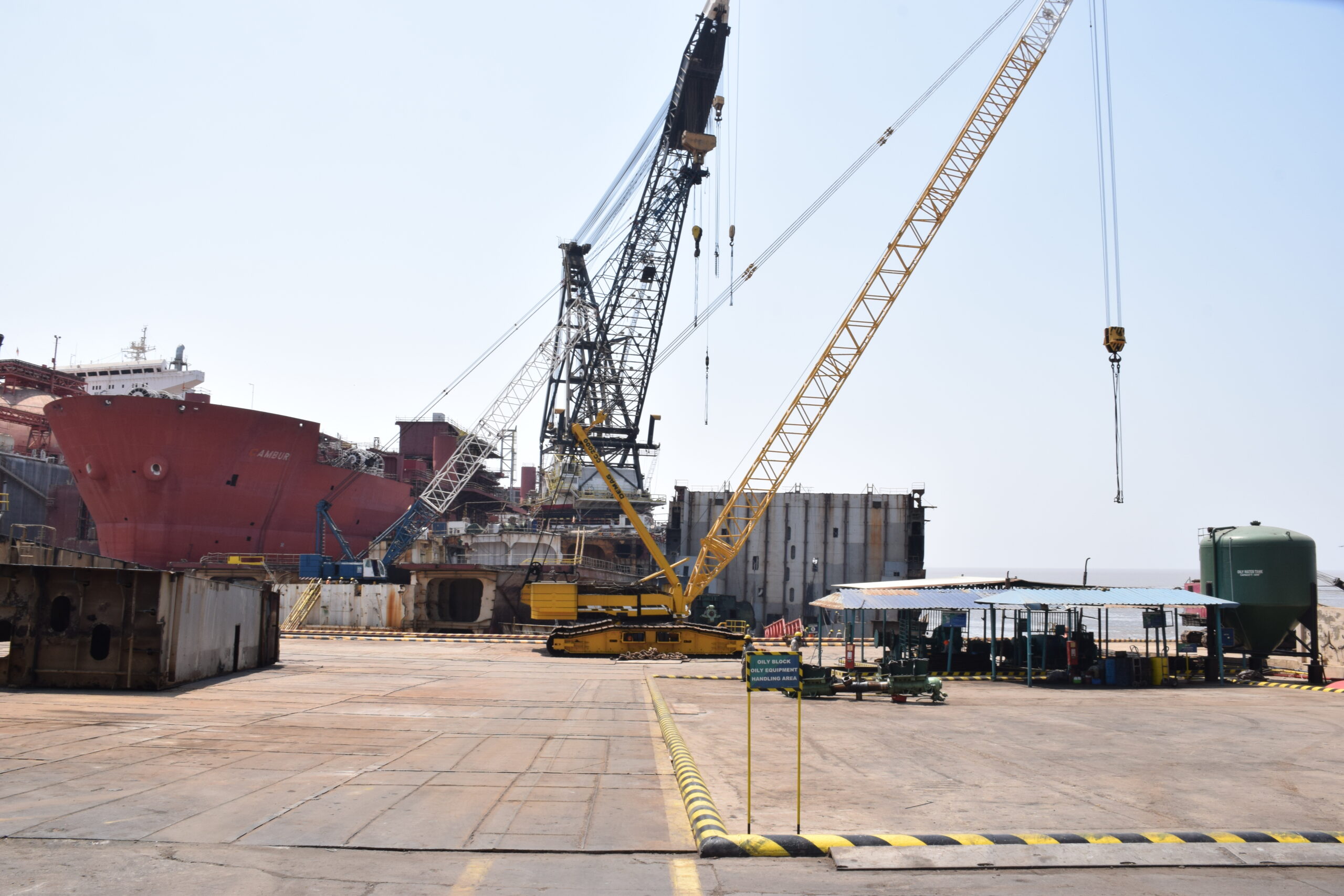
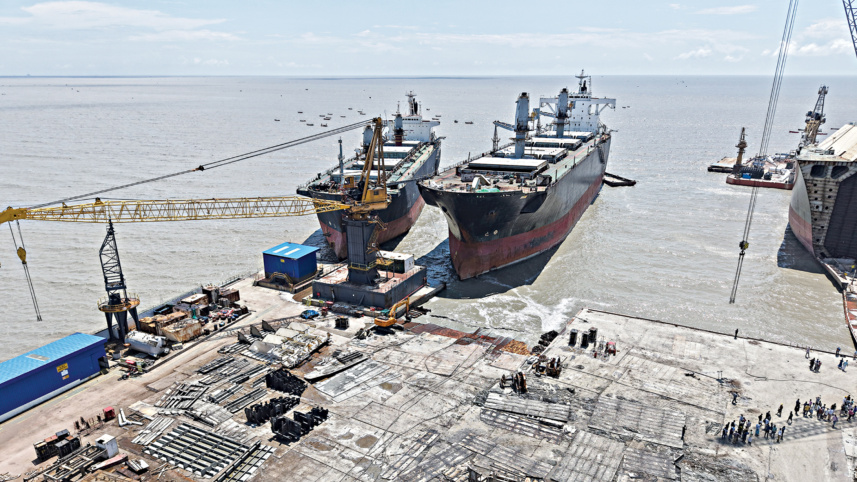
India has positioned itself at the forefront of this transformation, emerging as a global leader in compliant and sustainable ship recycling practices. A key contributor to this leadership is the Alang Ship Recycling Yard, widely recognised as the world’s largest ship recycling cluster. Located along the Gujarat coast, Alang has undergone a remarkable transformation over the past decade, evolving from a volume-driven industry into one focused on compliance, safety, and environmental responsibility.
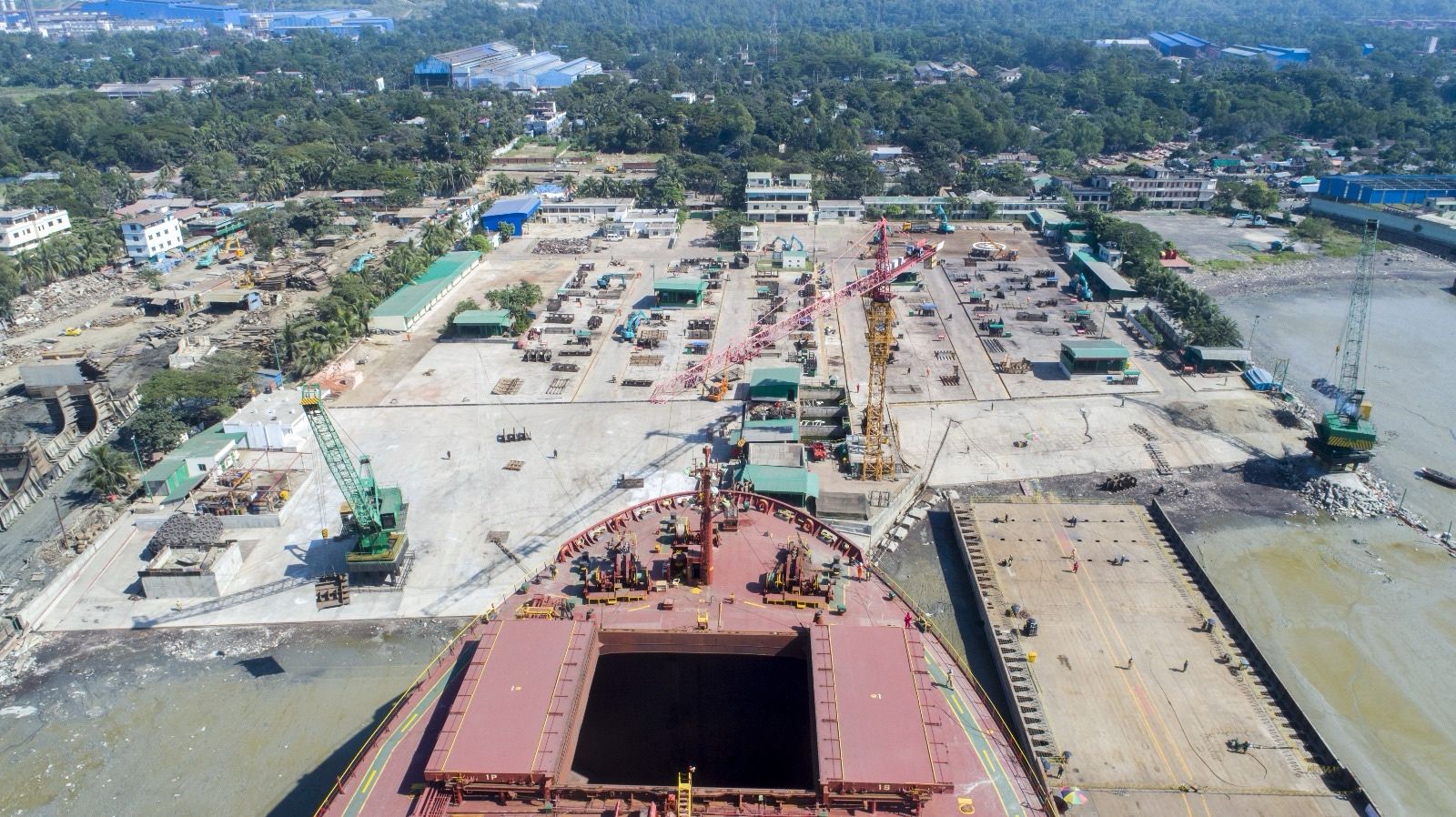
Currently, India boasts around 115 HKC-compliant ship recycling yards, most of which are located in Alang. These yards have upgraded their infrastructure and processes to meet international standards, including the use of impermeable flooring, improved hazardous waste management systems, and enhanced worker safety protocols.
India’s regulatory framework has played a pivotal role in this transition. The implementation of the Recycling of Ships Act, 2019 and the accompanying Ship Recycling Rules, 2021 has aligned domestic practices with global benchmarks set by the HKC. These regulations mandate strict compliance measures, including the preparation of ship-specific recycling plans, proper inventory of hazardous materials, and certification requirements for recycling facilities.
Oversight and enforcement are managed by the Directorate General of Shipping, which acts as the national authority responsible for ensuring adherence to the convention and domestic laws. Regular inspections, audits, and certifications have strengthened accountability within the sector, boosting confidence among international ship owners.
Industry experts note that India’s proactive approach has not only improved environmental outcomes but also enhanced worker safety conditions significantly. Modernised facilities, training programs, and better protective equipment have reduced occupational hazards, marking a shift from earlier concerns associated with shipbreaking activities.
With the Hong Kong Convention now entering into force globally, India is well-positioned to capitalise on emerging opportunities. As ship owners increasingly seek compliant recycling destinations to meet international obligations, Indian yards are expected to attract a larger share of the global recycling market.

Author: shipping inbox
shipping and maritime related web portal