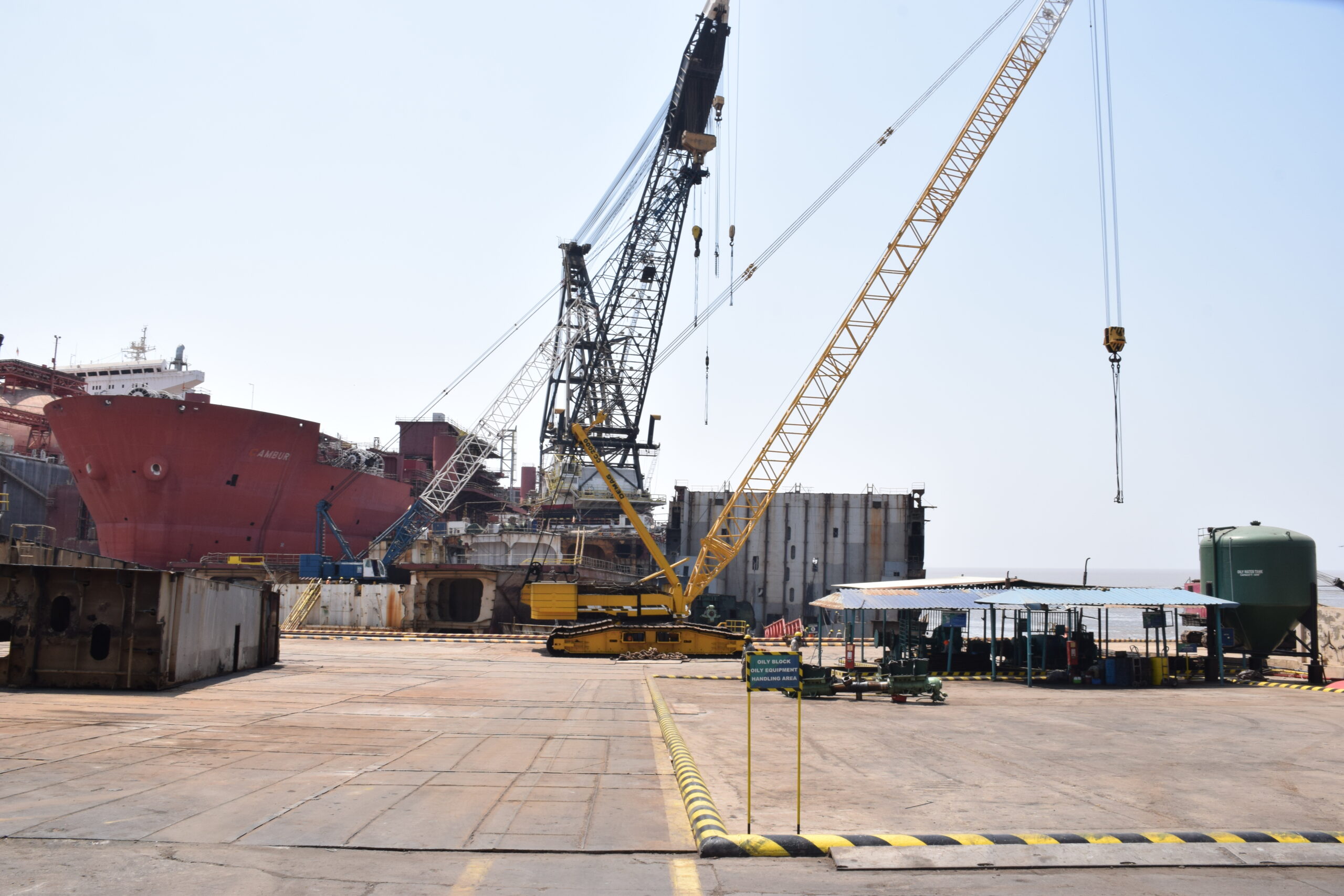





Bangladesh Shipping Industry Urged to Build Industrial-Scale Solution for Ship Recycling

The global shipping industry is being called upon to rethink its approach to ship recycling, as experts warn that the sector has failed to keep pace with the rapid expansion and modernization seen in shipbuilding over the past quarter century. While the global merchant fleet has nearly tripled in size to support booming international trade, ship recycling remains underdeveloped, posing environmental, economic, and safety challenges.
Over the last 25 years, shipbuilding has transformed into a highly sophisticated and capital-intensive industry. Massive investments, technological advancements, and streamlined processes have enabled shipyards to produce larger, more efficient, and environmentally friendly vessels. In stark contrast, ship recycling has lagged behind, often characterized by outdated practices and limited infrastructure, particularly in major recycling hubs across South Asia.
Industry observers note that this imbalance is no longer sustainable. With a growing number of ageing vessels approaching the end of their operational life, the absence of a modern, industrial-scale recycling framework risks creating a bottleneck. This could have far-reaching consequences not only for shipowners but also for global trade and environmental sustainability.
A key concern is safety. Older vessels, if not properly decommissioned, can pose serious risks to crew members and maritime operations. Structural degradation, outdated systems, and non-compliance with modern safety standards make these ships increasingly hazardous. Efficient recycling systems would ensure that such vessels are removed from service in a timely and responsible manner.
Environmental considerations are equally pressing. Ageing ships are typically less energy-efficient and generate higher emissions compared to newer models. As the shipping industry faces mounting pressure to decarbonize and align with international climate goals, the continued operation of outdated vessels undermines these efforts. A robust recycling ecosystem would facilitate the phasing out of high-emission ships, enabling a cleaner and greener global fleet.
Economically, the presence of older, fully amortised vessels in the market creates additional challenges. These ships can operate at lower costs and accept reduced freight rates, thereby undercutting newer, more efficient vessels. This dynamic discourages investment in modern tonnage, slowing innovation and weakening the long-term competitiveness of the industry.
Experts argue that the solution lies in treating ship recycling as an integral extension of the shipbuilding lifecycle rather than a separate, neglected activity. By adopting an industrial approach, the sector can introduce standardized processes, improved safety protocols, and advanced technologies. This would not only enhance efficiency but also ensure compliance with evolving environmental and labor regulations.
The shipbuilding industry, with its experience in scaling operations and integrating innovation, is seen as best positioned to lead this transformation. By investing in modern recycling facilities and collaborating with regulators, financial institutions, and shipowners, shipbuilders can help create a circular economy within the maritime sector.
Such an approach would deliver multiple benefits. It would ensure the safe disposal of end-of-life vessels, reduce environmental impact, and support the transition to a more sustainable fleet. At the same time, it would stabilize market dynamics by removing older ships that distort pricing and hinder investment in new technologies.
The call for change comes at a critical juncture for global shipping. As the industry navigates challenges ranging from decarbonization to fluctuating trade patterns, developing a comprehensive and industrialized ship recycling solution is increasingly seen as essential.
Without decisive action, the gap between shipbuilding and recycling will continue to widen, undermining the industry’s progress. However, with coordinated efforts and strategic investment, ship recycling can evolve into a modern, efficient, and sustainable pillar of the global maritime economy.

Author: shipping inbox
shipping and maritime related web portal