



EU Maritime Strategy Recognises India’s Growing Role in Responsible Ship Recycling
The newly unveiled Industrial Maritime Strategy by the European Commission has sent a strong message to the global shipping industry: responsible ship recycling is emerging as a strategic pillar of the maritime sector’s circular economy. The policy document outlines a roadmap for strengthening Europe’s maritime industrial base while emphasising international cooperation in sustainable ship recycling — with India identified as a key partner.

The strategy signals a shift in global maritime policy, acknowledging the growing importance of responsible dismantling of vessels at the end of their operational life. By highlighting cooperation with ship-recycling partners starting with India, the European Commission has effectively recognised the country’s expanding role in managing a large share of the world’s end-of-life fleet.
Industry observers say this acknowledgement reflects the transformation that India’s ship recycling sector has undergone over the past decade. Historically criticised for environmental and labour concerns, the industry has undertaken sweeping reforms aimed at aligning with international environmental and safety standards.
Central to this transition has been the adoption of the Hong Kong International Convention for the Safe and Environmentally Sound Recycling of Ships, commonly referred to as the Hong Kong Convention. The convention establishes global standards for ship recycling, covering environmental safeguards, worker protection, hazardous material handling, and sustainable dismantling practices.
Today, a large majority of India’s ship recycling facilities operate in compliance with the Hong Kong Convention, following years of significant investment in infrastructure upgrades, improved waste management systems, and enhanced worker safety protocols. Many yards have introduced impermeable flooring, hazardous waste storage systems, emergency response facilities, and formalised training programmes for workers.
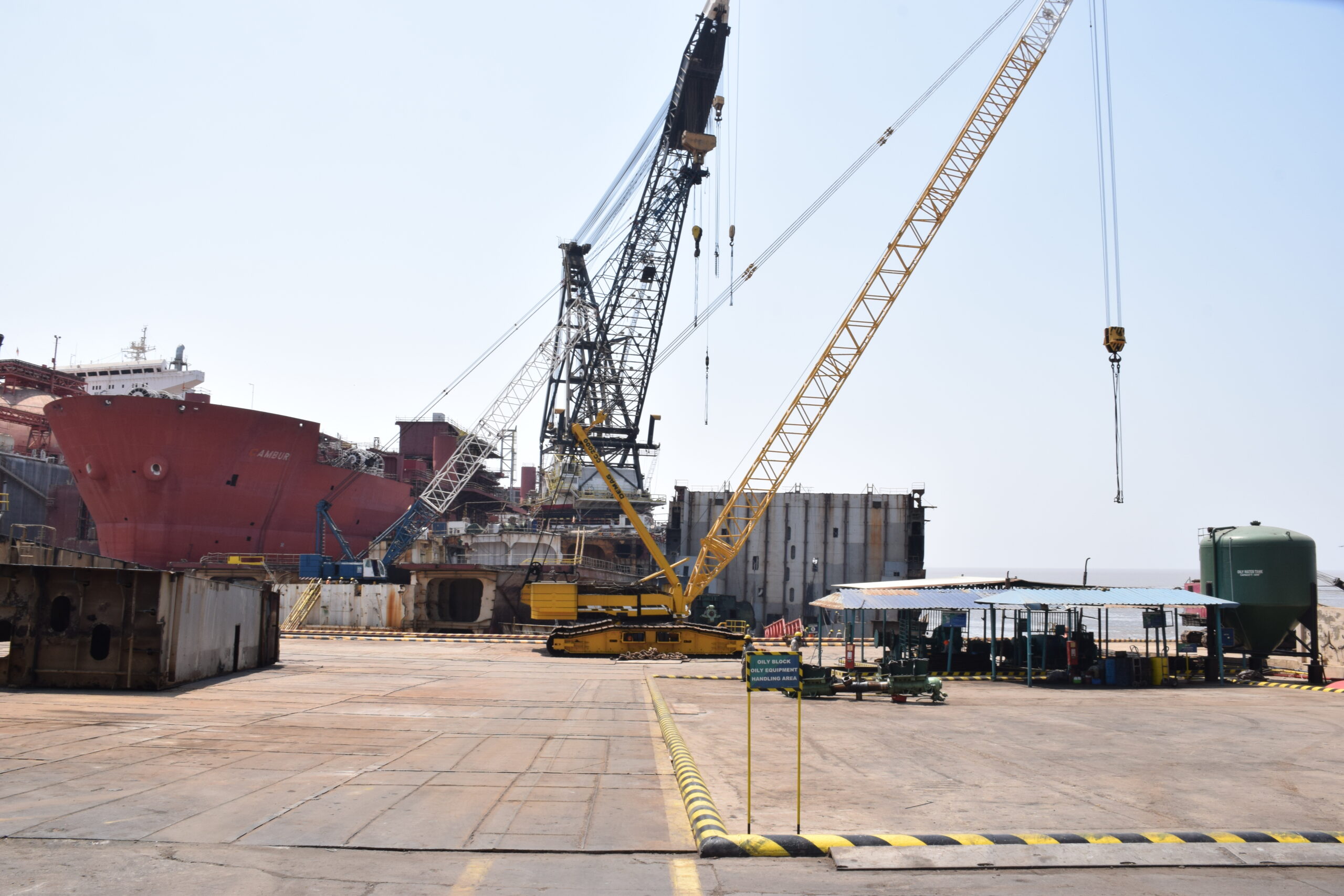
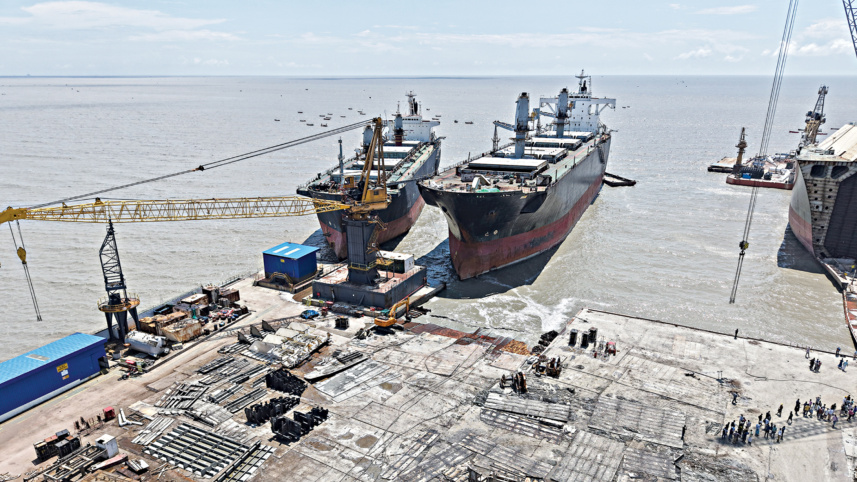
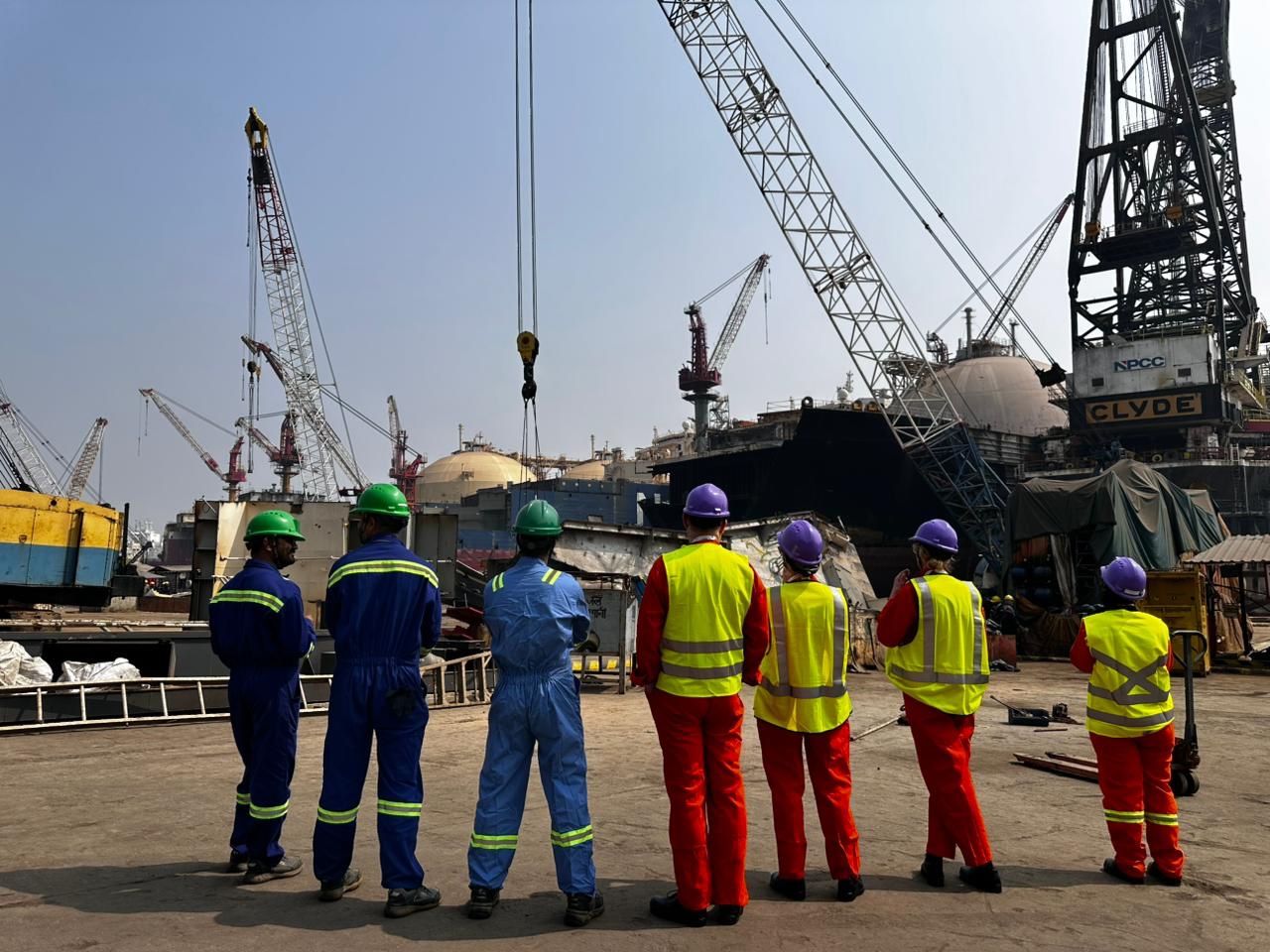
The industry’s transformation is particularly visible at the ship recycling hub of Alang, widely regarded as one of the world’s largest ship dismantling clusters. Once associated with basic dismantling practices, Alang today hosts dozens of yards that have been upgraded to meet international standards, with many obtaining Hong Kong Convention compliance certification.
Companies operating in the sector say the shift toward greener ship recycling did not occur overnight but required sustained investments and long-term planning.
Among the firms that began this transition early is the Priya Blue Group, one of India’s leading ship recycling companies. According to industry representatives, the company began investing in environmentally responsible recycling practices decades before such standards became a global regulatory priority.
The group has implemented internationally benchmarked processes that focus on environmental controls, safe dismantling procedures, and worker safety frameworks. Its facilities are now certified under the Hong Kong Convention framework and have undergone multiple audits aligned with European regulatory expectations.
Industry stakeholders say such developments demonstrate that the conversation around ship recycling has evolved considerably in recent years. Where the focus once centred on whether environmentally responsible recycling could be achieved in major shipbreaking countries, the debate is now shifting toward scaling these practices to meet the future needs of the global fleet.
The timing of the European Commission’s strategy is significant. Analysts expect a substantial increase in vessels reaching the end of their operational life over the coming decade, driven by ageing fleets, tightening environmental regulations, and the maritime industry’s push toward decarbonisation.
As shipowners upgrade to newer, more energy-efficient vessels to meet global emissions targets, a growing number of older ships will need to be dismantled responsibly. This trend is expected to place increased importance on ship recycling hubs that can demonstrate compliance with internationally recognised environmental and safety standards.
Industry leaders argue that responsible recycling is not only an environmental necessity but also a vital component of the maritime circular economy. Ships contain large quantities of recyclable steel and other materials that can be reintroduced into industrial supply chains, reducing demand for new raw materials and lowering overall carbon emissions.
With regulatory frameworks such as the Hong Kong Convention gaining momentum worldwide and policy initiatives emerging from institutions like the European Commission, ship recycling is increasingly being viewed as an integral part of sustainable maritime operations.
As the global fleet prepares for a wave of end-of-life vessels in the coming years, experts say the challenge will not be proving that responsible ship recycling is possible — but ensuring the capacity exists to scale these practices safely, efficiently, and sustainably across the maritime industry.

Author: shipping inbox
shipping and maritime related web portal