



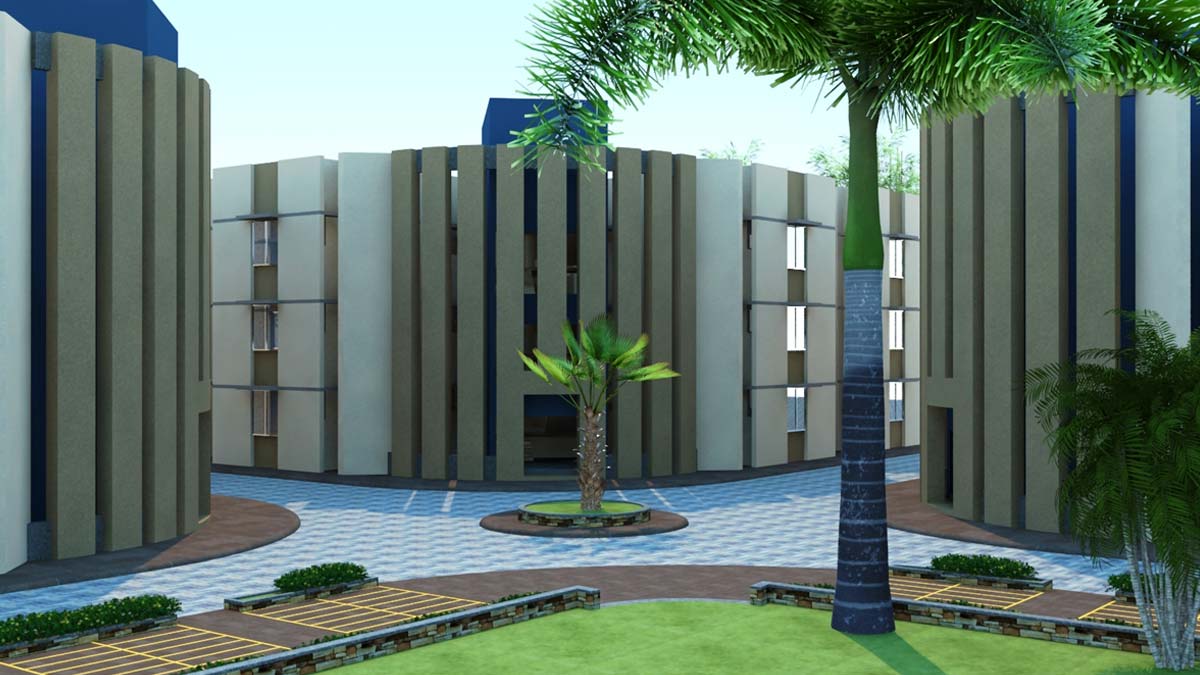
Residential Infrastructure Facility at Alang Aims to Transform Living Standards for Ship Recycling Workforce
A modern residential infrastructure facility has been developed at Alang, marking a significant step toward improving the quality of life, health, and dignity of personnel engaged in ship recycling and allied maritime activities. The initiative reflects a growing recognition that sustainable industrial growth must go hand in hand with worker welfare, especially in regions that play a critical role in global maritime recycling.

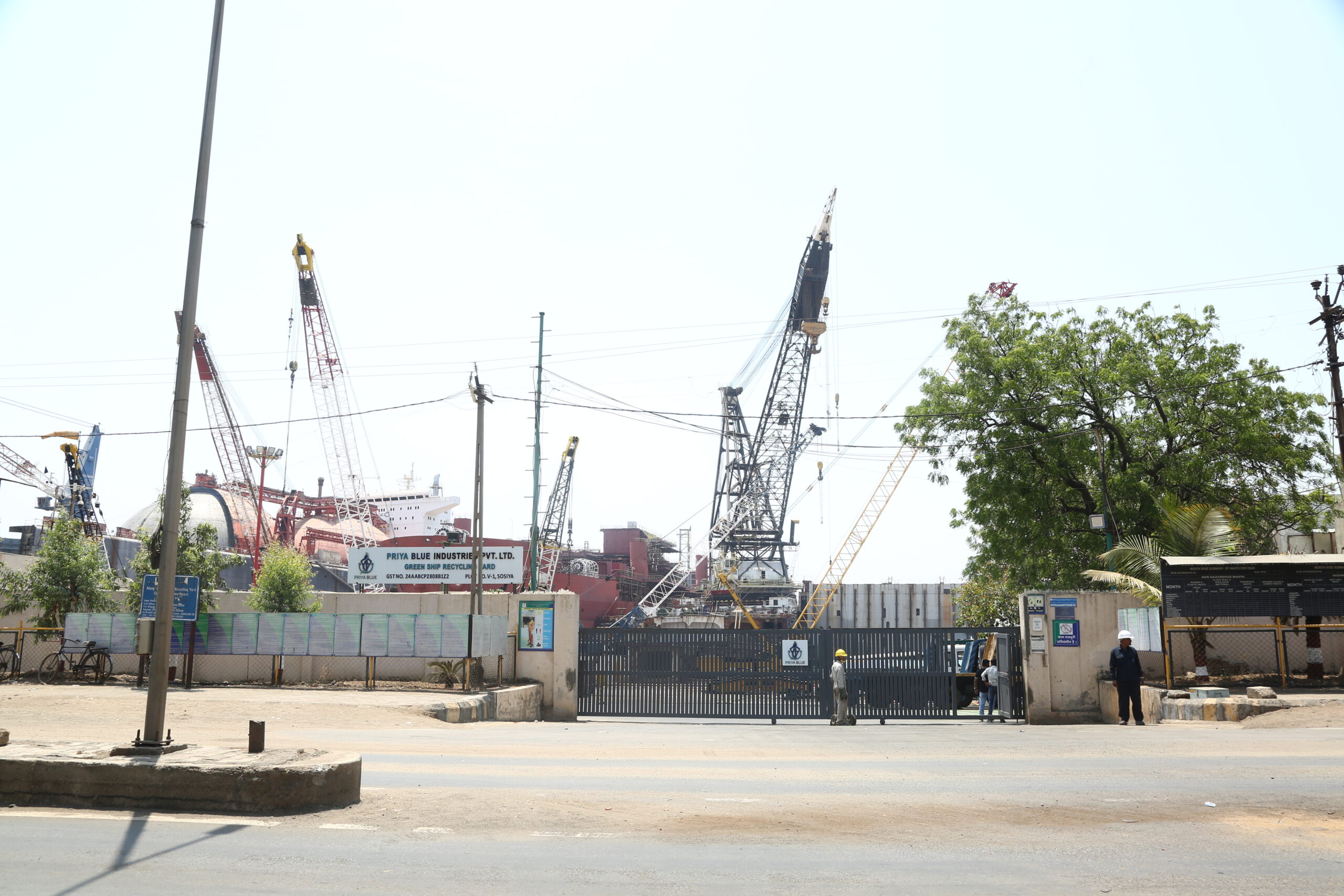
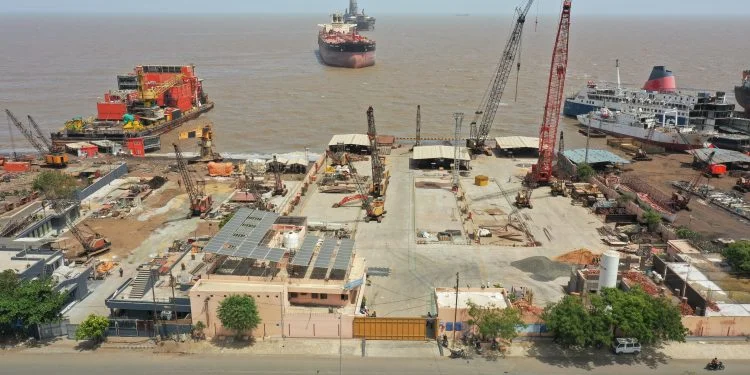
Alang, home to the world-renowned Alang-Sosiya Ship Recycling Yard, employs thousands of workers who contribute to the dismantling and recycling of end-of-life vessels from across the globe. While the yard has made notable progress in recent years on safety standards, environmental compliance, and international conventions, living conditions for the workforce have remained a key area of focus. The newly developed residential facility seeks to address this gap by offering safe, hygienic, and organized accommodation tailored to the needs of workers and their families.
Focus on Dignified and Healthy Living
The primary objective of the residential complex is to enhance living standards and overall well-being. Designed as more than just housing, the facility aims to create an environment that supports physical health, mental well-being, and social interaction. Planners have emphasized dignity and comfort, acknowledging that stable and healthy living conditions are essential for a productive and motivated workforce.
The complex has been laid out to ensure adequate natural lighting and cross-ventilation in residential units, reducing dependence on artificial lighting and mechanical cooling. Open spaces and thoughtfully planned building orientation allow for improved airflow and better indoor environmental quality, which is particularly important in coastal industrial regions like Alang.
Community-Centric Design
Beyond individual accommodation units, the facility incorporates green areas and shared community spaces intended to foster social cohesion. Common areas provide residents with spaces to relax, interact, and build a sense of community, helping to counter the isolation often experienced by migrant workers living far from their home regions.
Accessibility and safety have been integrated into the design, with clearly demarcated pathways, proper sanitation facilities, and well-maintained common utilities. Cleanliness and hygiene are core elements of the project, supporting better public health outcomes and reducing the risk of communicable diseases.
Sustainability at the Core
In line with sustainable development principles, the residential facility integrates multiple measures to minimize its environmental footprint. Water management has been given particular attention, with systems for rainwater harvesting designed to capture and store seasonal rainfall. Treated wastewater is reused for non-potable purposes such as landscaping and cleaning, reducing pressure on freshwater resources.
Energy conservation is another central feature of the development. By maximizing the use of natural daylight and ventilation, the project lowers energy consumption while improving living comfort. Energy-efficient fixtures further reduce electricity demand, aligning the facility with broader climate and sustainability goals.
Construction has prioritized locally sourced materials wherever feasible, supporting regional supply chains and reducing emissions associated with long-distance transportation. Structured waste management practices during both construction and operation contribute to responsible resource use and cleaner surroundings.
Supporting Long-Term Worker Welfare
The residential development represents a structured and forward-looking approach to worker welfare in the ship recycling sector. Stable housing with basic amenities such as clean water, sanitation, and safe living spaces plays a crucial role in improving workforce retention, productivity, and overall morale.
Industry stakeholders note that better living conditions also have a direct impact on safety at work. Workers who are well-rested, healthy, and less stressed are more likely to follow safety procedures and engage positively with training programs. This creates a virtuous cycle that benefits workers, yard operators, regulators, and the wider maritime industry.
Alignment with Regional and National Objectives
The initiative aligns with broader efforts by authorities and industry bodies, including the Gujarat Maritime Board, to modernize infrastructure around Alang and position the ship recycling cluster as a responsible and sustainable global hub. India’s commitment to environmentally sound ship recycling under international frameworks has increasingly emphasized not only yard operations but also the social dimensions of sustainability.
Improved residential infrastructure complements ongoing investments in training, safety awareness, and environmental compliance at the yards. Together, these measures strengthen India’s standing in the global ship recycling market, particularly as shipowners and financiers place greater emphasis on environmental, social, and governance (ESG) performance.
A Model for Industrial Workforce Housing
The Alang residential facility may serve as a model for other industrial clusters where large workforces depend on shared housing and basic services. By integrating sustainability, community well-being, and practical design, the project demonstrates how infrastructure development can go beyond compliance to deliver tangible social benefits.
As the global maritime sector continues to evolve, initiatives such as this underscore the importance of holistic development—where environmental responsibility, economic activity, and human welfare are treated as interconnected priorities. For Alang, the new residential infrastructure is not just a construction project, but a statement of intent: that the future of ship recycling must be safer, cleaner, and more humane for the people who sustain it.

Author: shipping inbox
shipping and maritime related web portal