



U.S.–Iran Conflict Explodes into Open Warfare — Global Markets and Shipping Routes in Turmoil
In a dramatic escalation of hostilities between the United States, Israel and Iran, a sweeping military campaign launched on February 28, 2026, has plunged the Middle East into one of its most dangerous confrontations in decades — with shockwaves already being felt in global markets, energy supplies and international shipping.

The conflict, dubbed Operation Epic Fury by the U.S. and its ally Israel, began with coordinated air and missile strikes across multiple key Iranian cities, including Tehran, Isfahan, Natanz and Fordow, targeting military infrastructure and suspected nuclear facilities. Iranian authorities and independent sources have reported extensive damage in urban centers, along with significant civilian casualties.
Overview: From Tensions to Full-Blown Strikes
The roots of the current confrontation stretch back months, as long-standing tensions over Iran’s nuclear program and regional influence boiled over. Despite ongoing diplomacy — including negotiations mediated by Oman in Geneva — talks collapsed in the days before the assault. In a nationally televised address, U.S. President Donald Trump declared the strikes were necessary to “prevent a global nuclear catastrophe,” adding that Tehran’s refusal to halt its nuclear ambitions left Washington with no choice.
Israeli Prime Minister Benjamin Netanyahu backed the offensive, saying the attacks were aimed at crippling what both governments consider an existential threat posed by Iran’s military and nuclear capabilities.
Iran, for its part, condemned the strikes as an unlawful violation of its sovereignty and responded with a broad ballistic missile counter-offensive targeting Israeli territory and coalition assets across the broader region. Explosions have been reported in multiple Gulf cities, and air defense systems in countries such as Bahrain and Qatar have been activated to intercept incoming threats.
Human Toll and Regional Impact
Independent and state media reports paint a grim picture on the ground. In southern Iran’s Hormozgan province, strikes on civilian infrastructure — including schools — have led to high casualty numbers. Iranian authorities linked to state media reported that a primary school in Minab was struck, killing dozens of students and adults.
Across Iran, fears of further bombardment have sparked mass movements of populations from major cities to safer regions, while essentials such as fuel and cash have become harder to access due to widespread closures and panic.
The United Nations has convened emergency sessions, with Secretary-General António Guterres calling for an immediate end to hostilities and urging all sides to return to diplomacy. The UN chief stated that both offensive and retaliatory strikes threaten to destabilize an already fragile region and could spark wider conflict.
Global Reactions and Diplomatic Fallout
Reactions from world leaders have underscored deep divisions. Some Western allies — including France, Germany and the United Kingdom — have expressed grave concern and called for restraint, emphasising that protection of civilians and adherence to international law are paramount.
Russia and China have condemned the U.S.–Israeli strikes as unprovoked aggression, urging an immediate halt and respect for Iran’s sovereignty, while offering to help mediate a diplomatic solution. Moscow’s response, in particular, reflects its longstanding strategic ties with Tehran.
Economic Shockwaves: Energy and Shipping at Risk
Beyond the battlefield, the geopolitical crisis is already rippling through global economic systems — notably in energy markets and maritime trade.
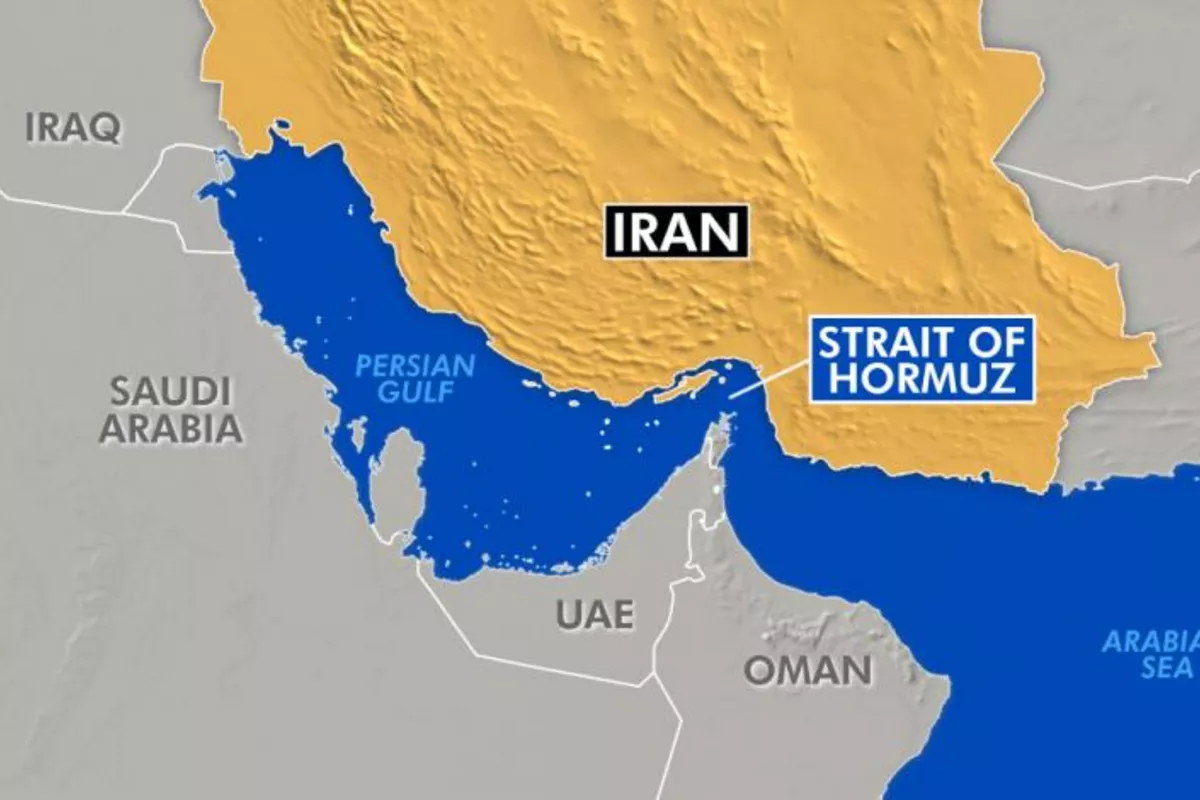
Iran sits astride the Strait of Hormuz, a narrow chokepoint through which roughly 20% of the world’s seaborne oil and LNG shipments pass. Any significant disruption there can trigger dramatic swings in energy prices and freight rates, as markets react to the threat of supply bottlenecks.
In anticipation of further instability, major shipping companies such as Maersk have begun rerouting some vessel movements around the Cape of Good Hope, avoiding the Red Sea and Gulf waters entirely. This detour adds about 10 days to Asia–Europe voyages and significantly increases operational costs, freight rates and pressure on global supply chains.
The specter of a sustained blockade of Hormuz — whether exacted by Iranian missile or drone activity, maritime mines, or strategic denial — threatens to push oil prices sharply higher, further exacerbating inflation and economic volatility worldwide.
What Comes Next? Uncertain Path Ahead
Analysts suggest that the next 48 to 72 hours are critical. If both sides escalate further, there is a risk the conflict could expand beyond the immediate Middle East, drawing in neighbouring states and non-state armed groups across the region. Conversely, diplomatic pressure — particularly through the UN and allied governments — might create an opening for ceasefire talks and negotiation.
For now, however, the world watches with growing alarm as missiles continue to fly, markets brace for further shocks, and the strategic arteries of global trade hang in the balance.

Author: shipping inbox
shipping and maritime related web portal