



High-Level MoPSW Delegation Visits Alang: Charts Roadmap to Double Ship Recycling Capacity by 2030
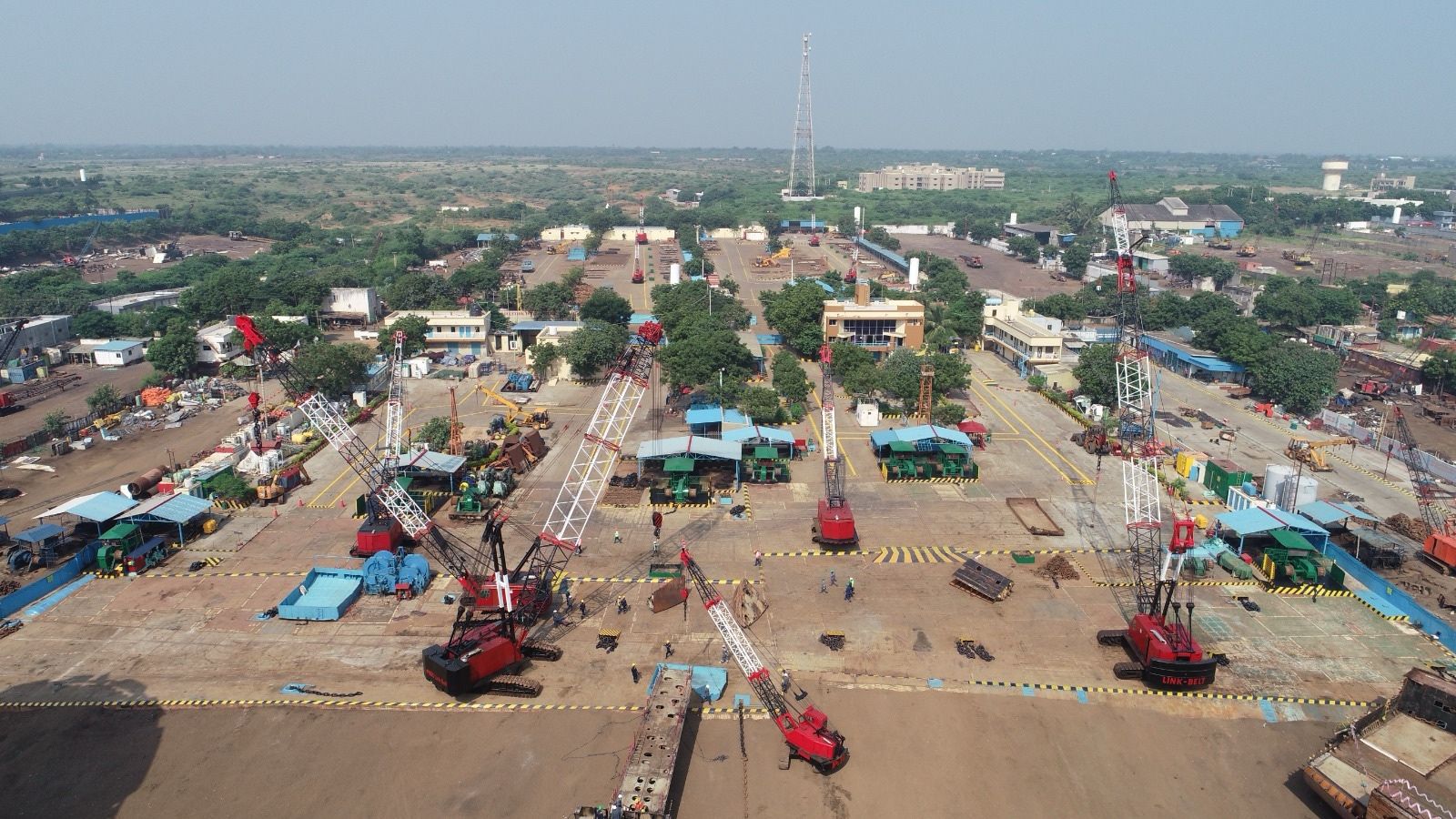
A high-level delegation from the Union government on Friday visited the Alang Ship Recycling Yard to address key regulatory bottlenecks and lay out a comprehensive roadmap for doubling India’s ship recycling capacity by 2030. The visit underscored New Delhi’s intent to position Alang as a globally competitive, environmentally compliant hub for “green ship recycling”.

The delegation was led by Vijay Kumar, Secretary, Ministry of Ports, Shipping and Waterways (MoPSW), and included Shyam Jagannathan, Director General of Shipping; Nilabhra Dasgupta, Deputy Chairman of the Deendayal Port Authority (DPA); and Capt. Santoshkumar Darokar, Principal Officer, MMD Kandla. Senior officials interacted with yard operators, recyclers and local stakeholders during the visit.
Transitioning Alang into a Global Green Recycling Hub
According to officials, discussions centred on aligning domestic regulations with evolving international norms, particularly in light of the Ship Recycling Regulations 2026 and the global enforcement of the Hong Kong Convention on ship recycling. The aim, they said, is to ensure that Indian yards not only remain cost-competitive but also meet the highest standards of safety, environmental protection and worker welfare.
“India has a natural advantage in ship recycling, with Alang already accounting for a significant share of global capacity. The next phase of growth must be green, compliant and technology-driven,” a senior MoPSW official said.
₹4,001-Crore Ship Recycling Credit Notes
A major focus area was the implementation of the ₹4,001-crore Ship Recycling Credit Note Scheme, which is being seen as a game-changer for the sector. Under the initiative, shipowners who recycle their vessels in India receive credit notes worth 40 per cent of the scrap value. These credits can be used to place orders for new vessels at Indian shipyards.
Officials said the scheme is designed to create a circular maritime economy—linking ship recycling with domestic shipbuilding—while reducing India’s dependence on imported tonnage. Industry representatives at Alang sought clarity on timelines, digital issuance of credits and transferability, issues that the delegation assured would be addressed through detailed guidelines.
Easing BIS Norms for Steel Reuse
Another critical issue discussed was the reuse of recycled ship steel. The delegation reviewed proposals to rationalise norms under IS 1786 of the Bureau of Indian Standards (BIS), which governs the manufacture of TMT bars. At present, recyclers argue that stringent specifications limit the use of high-quality ship steel in mainstream construction.
Officials said easing these norms—without compromising safety—could unlock significant value, allowing recycled steel to be seamlessly integrated into the domestic construction supply chain. This, in turn, would sharply cut carbon emissions, as steel produced from recycled scrap has a far lower environmental footprint than steel made from iron ore.
Protocols for Recycling Sanctioned Vessels
With geopolitical tensions leading to an increase in sanctioned vessels seeking end-of-life recycling, the delegation also deliberated on standard operating procedures (SOPs) for handling such ships. The objective is to provide clarity to recyclers, insurers and financiers, while ensuring strict adherence to international legal and compliance frameworks.
Officials said a transparent, well-defined protocol would help India remain a preferred destination for complex dismantling projects, an area where Alang has developed considerable expertise over the decades.
Tapping the European Market
The delegation further reviewed strategies to secure more Alang yards on the European Union’s approved list of ship recycling facilities. While Indian yards largely comply with the Hong Kong Convention, the EU’s Ship Recycling Regulation imposes higher thresholds in certain areas.
Industry representatives highlighted that inclusion on the EU-approved list could significantly boost volumes, as European shipowners are required to recycle vessels only at certified yards. The government, officials said, is working closely with yard operators to bridge remaining gaps in infrastructure and documentation.
Single-Window Oversight to Cut Red Tape
In a move aimed at improving ease of doing business, the Secretary, MoPSW, addressed long-standing concerns over multiple agencies imposing overlapping inspections and penalties. A proposal for a “single-window” oversight mechanism was discussed, under which regulatory supervision would be streamlined, reducing administrative friction while maintaining robust compliance.
“This is not about dilution of standards, but about smarter regulation,” an official said, adding that coordinated oversight would improve efficiency and investor confidence.
Industry Optimism
The visit has generated optimism among Alang recyclers, who see the government’s proactive engagement as a signal of long-term policy stability. If the proposed reforms are implemented in a time-bound manner, industry leaders believe India could comfortably double its recycling capacity by 2030, reinforcing Alang’s status as the world’s largest and most competitive ship recycling cluster.
For a sector that employs tens of thousands and contributes significantly to India’s steel and maritime ecosystems, Friday’s visit marked an important step toward a greener, more integrated future.

Author: shipping inbox
shipping and maritime related web portal