



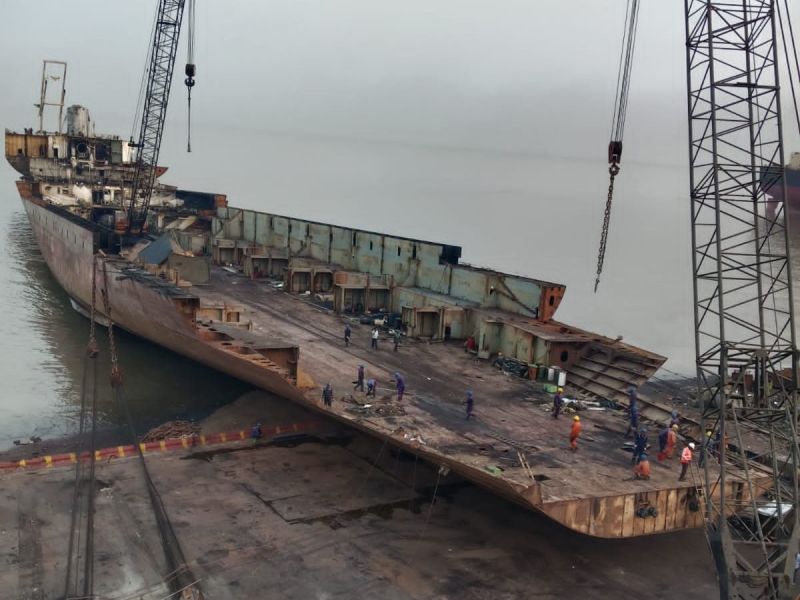
Ship Recycling Markets Hold Firm Across Key Regions as Currency Relief and Trade Developments Lift Sentiment: BEST OASIS
Global ship recycling markets showed mixed but largely resilient trends this week, with India emerging as the standout performer, supported by favourable currency movements and improving trade sentiment. According to the latest ship recycling market report by Best Oasis, one of the world’s largest cash buyers for vessels destined for demolition, conditions across the Indian subcontinent and Türkiye reflected cautious optimism amid tight tonnage availability and steady steel demand.

India: Currency relief boosts confidence
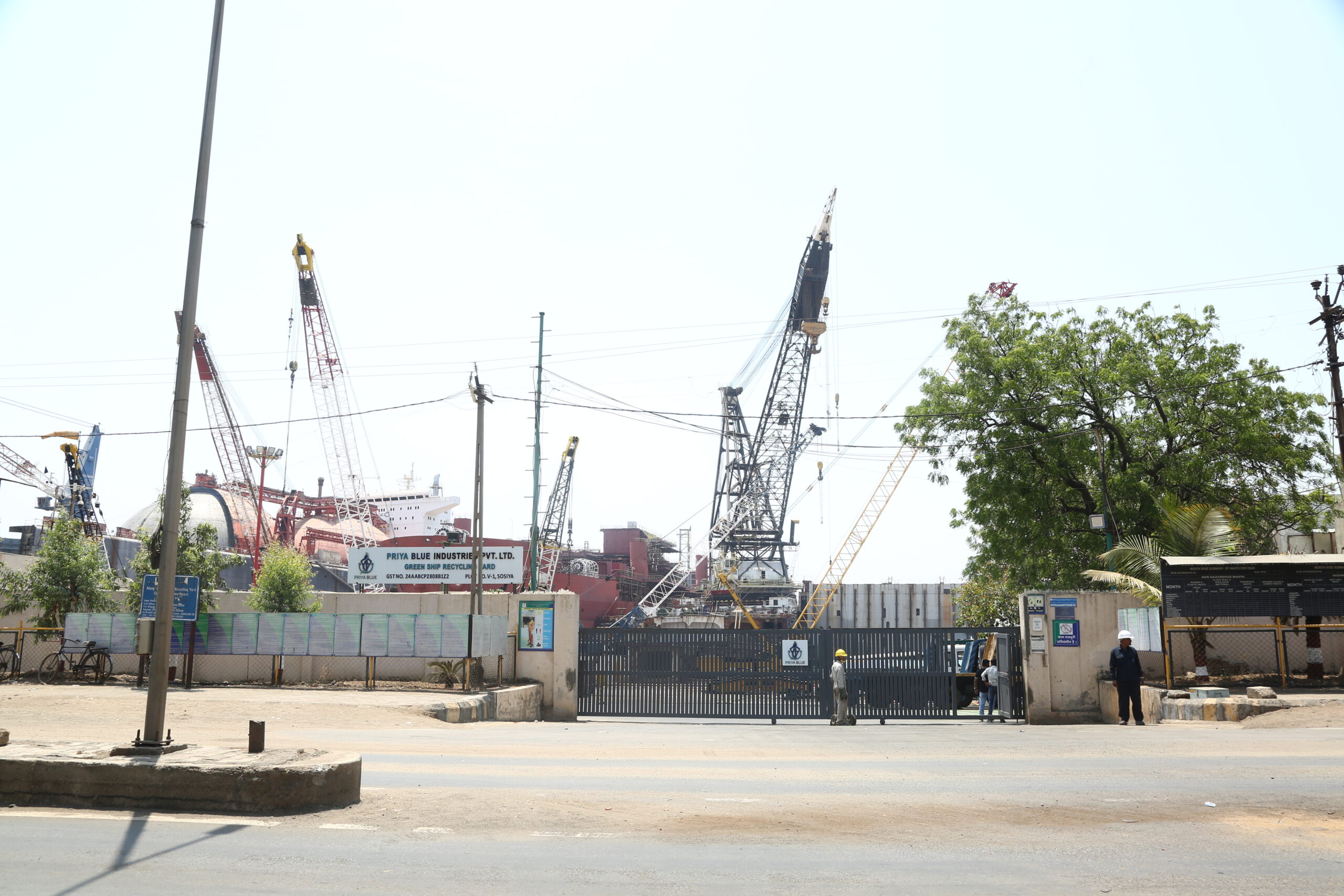
The Indian ship recycling market remained positive during the week, underpinned by a sharp easing of the US dollar against the Indian rupee. The USD softened from recent highs following a trade deal between the United States and India, while New Delhi also signed a major trade agreement with the European Union. Together, these developments improved local sentiment and restored confidence among buyers.
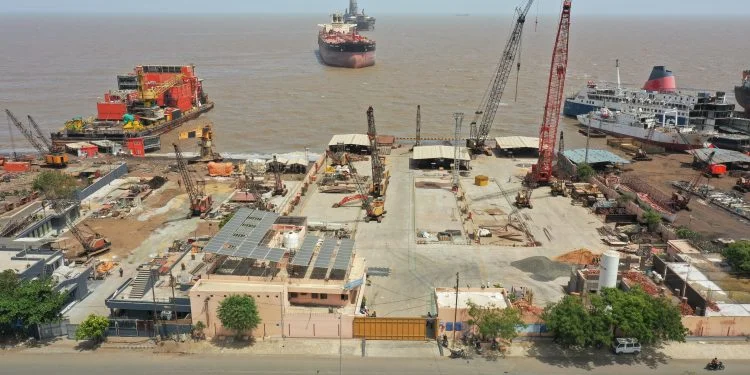
Cash buyers and end recyclers in Alang grew increasingly keen to secure vessels, with market participants expressing a broader belief that prices could continue to trend upwards in the near term. This optimism has been reinforced by steel demand, which has held up better than earlier expectations despite concerns over global economic uncertainty.
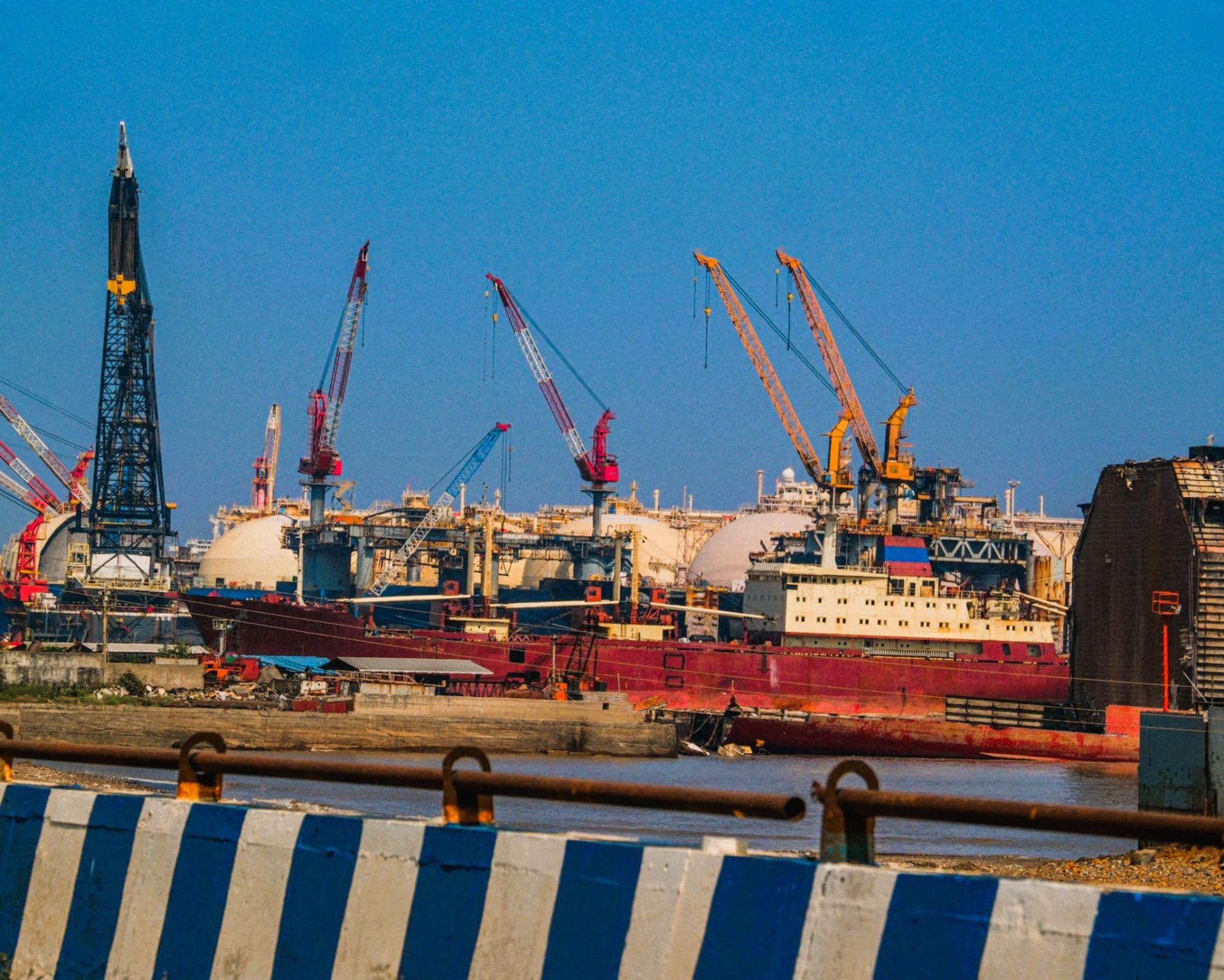
Another key factor supporting the Indian market is the continued scarcity of available tonnage. Limited vessel supply across all three major subcontinent recycling destinations has intensified competition, pushing buyers to act more decisively when suitable candidates emerge. As a result, India’s recycling market remained firm, with container vessels quoted around USD 430 per light displacement tonnage (LDT), tankers at USD 415/LDT and bulkers at USD 400/LDT, reflecting a week-on-week gain of around 2.5%.
Bangladesh: Interest improves, but constraints persist
In contrast, Bangladesh’s ship recycling market remained largely quiet, although signs of improvement in buying interest were evident. Buyers showed a clear preference for fresh candidates, particularly modern and compliant vessels. However, overall participation stayed limited due to ongoing constraints linked to the Hong Kong International Convention (HKC), which continues to restrict the number of yards eligible to recycle certain ship types.
Tonnage availability in Bangladesh remained extremely tight, with only a handful of units circulating in the market. This scarcity has prevented any meaningful increase in activity, despite steady pricing levels. Domestic steel prices were largely unchanged during the week, with minimal week-on-week movement reported, offering little additional incentive for recyclers to increase bids aggressively.
Political developments also weighed on sentiment. With national elections approaching, market participants adopted a cautious stance, as the outcome is expected to influence near-term confidence, policy direction and broader economic conditions. Despite these headwinds, Bangladesh’s ship recycling prices stayed firm, with containers quoted at USD 435/LDT, tankers at USD 425/LDT and bulkers at USD 390/LDT.
Pakistan: Firm demand amid economic challenges
Pakistan’s ship recycling market remained firm during the week, supported by continued demand from end buyers. While broader economic conditions in the country remain challenging, buyer sentiment showed signs of improvement, with purchasing appetite clearly evident.
A notable development was the pause in the inflow of lower-priced steel imports from Iran, caused by ongoing unrest in the region. This has provided some relief to domestic end buyers, who had been under pressure from cheaper imported material. The reduced competition from Iranian steel has contributed to improved buying interest and helped stabilise local market conditions.
Despite these positive signs, the Pakistani market was described as “soft” in relative terms, reflecting underlying economic constraints and cautious financing conditions. Indicative prices stood at around USD 435/LDT for container vessels, USD 420/LDT for tankers and USD 410/LDT for bulkers, marking a similar week-on-week increase of just over 2.4%.
Türkiye: Stable conditions and steady imports
Türkiye’s ship recycling market remained stable throughout the week, both in the domestic sector and on the import front. Several import fixtures were reported, with deliveries scheduled from the end of February to early March, pointing to steady activity levels.
Steel scrap prices in Türkiye showed no significant volatility, with HMS 1&2 (80:20) quoted at around USD 376 per tonne and shredded scrap at USD 396 per tonne. These prices were unchanged on a week-on-week basis, reflecting a balanced market where supply and demand remain broadly aligned.
Recycling prices in Aliaga were softer compared to the subcontinent, with container vessels around USD 290/LDT, tankers at USD 280/LDT and bulkers at USD 270/LDT, with no notable weekly change.
Currency movements and commodities
Currency trends played a significant role in shaping market sentiment, particularly in India. The USD/INR rate strengthened to 90.41 this week from 91.91 previously, representing a gain of 1.50 for the rupee and easing cost pressures for Indian buyers. The Bangladeshi taka remained largely stable at 122.31 against the dollar, while the Pakistani rupee weakened slightly to 280.02. The Turkish lira also saw a marginal depreciation to 43.57.
Crude oil prices showed mixed movements, with Brent and WTI recording minor week-on-week changes, offering limited directional cues to steel and recycling markets.
Vessels sold
Only a handful of vessels were reported sold for recycling during the week, underscoring the tight supply situation. These included the bulker Abinsk (1983-built), delivered to Aliaga in Türkiye; the bulker Hong Li (1995-built), delivered to Chittagong, Bangladesh; and the PCC Tanabata (1994-built), also delivered to Aliaga. Sale prices were not disclosed.
Outlook
Overall, the global ship recycling market continues to navigate a delicate balance of firm demand, limited tonnage and macroeconomic uncertainty. India currently appears best positioned to capitalise on supportive currency trends and improving trade sentiment, while Bangladesh and Pakistan remain constrained by structural and political factors. With supply remaining scarce, market participants expect prices to stay supported in the near term, provided steel demand continues to hold steady.

Author: shipping inbox
shipping and maritime related web portal