



Seapeak Sells Second LNG Carrier for Recycling as Pressure Mounts on Steam Turbine Fleet
In a stark sign of the shifting tides within the liquefied natural gas (LNG) shipping industry, Canadian-based shipowner Seapeak Maritime has offloaded its second steam turbine–powered LNG carrier for recycling, underscoring the growing economic and regulatory pressures facing older tonnage in a market dominated by fuel efficiency and low freight rates.

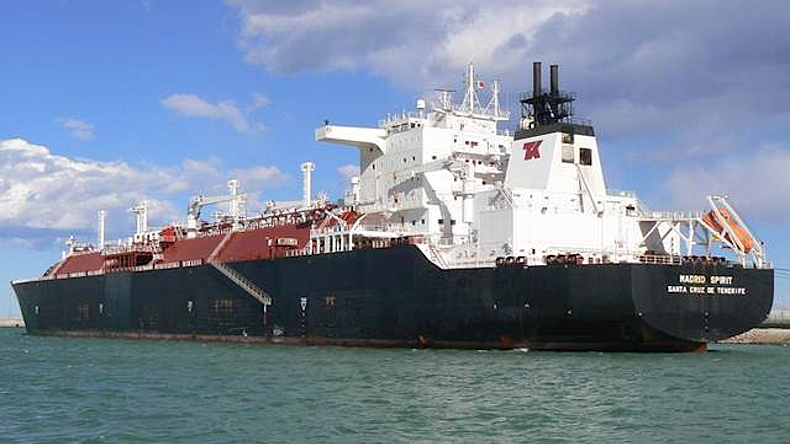
The 138,000-cubic-metre Seapeak Madrid—built in 2004 and formerly known as Madrid Spirit—has been sold for scrapping, according to industry sources and Lloyd’s List reporting. The sale marks a notable escalation in the disposal of older LNG carriers, bringing the total number scrapped since late 2024 to at least 22 vessels, a figure that reflects deep-seated structural changes in the global LNG shipping fleet.
While the precise sale price and buyer details remain confidential, brokers familiar with the transaction report that the Madrid was sold on a “for recycling” basis, a typical arrangement where the recycled value of steel and other materials underpins the transaction, rather than any ongoing charter revenue. The ship’s lightweight tonnage (LDT) reportedly commanded a competitive scrap valuation amid firmer steel prices in some recycling markets—an encouraging sign for the broader ship recycling sector after months of subdued activity.
Steam Turbine Fleet Under Siege
Seapeak’s sale of the Madrid closely follows its disposal of the Seapeak Asia in November 2025, signaling a concerted effort to trim its fleet of older steam turbine LPG-powered tonnage. Steam turbine propulsion, once common in LNG carriers, has fallen out of favor due to its relative inefficiency compared with modern dual-fuel diesel electric (DFDE) and two-stroke engine designs, which burn LNG fuel more cleanly and cost-effectively.
Industry analysts say that steam turbines are increasingly untenable in today’s LNG shipping market, squeezed by low freight rates and mounting operating costs. Freight earnings for older steam vessels have long lagged behind those of more efficient ships, particularly as charterers increasingly prioritize fuel economy and lower emissions in long-term contracts. According to a market analyst, steam turbine vessels have faced sporadic interest from charterers and are often sidelined or placed in lay-up when charters expire—a fate that accelerates their obsolescence.
The broader freight market context is less forgiving. LNG shipping rates have remained under pressure throughout 2025 and into 2026, weighed down by oversupply of LNG carrier tonnage globally and weaker demand in certain trade lanes. Low spot and time-charter rates have eroded traditional earnings for older vessels, hastening owners’ decisions to dispose of less competitive assets rather than continue to operate at a loss.
Fleet Rationalization Strategy
Seapeak’s retreat from steam turbine tonnage reflects a broader strategic pivot within the company’s fleet planning. Once operating a significant number of steam-powered LNG carriers, the firm has gradually shifted toward modern propulsion systems and newbuildings better aligned with regulatory, commercial, and environmental expectations. As part of this shift, Seapeak rebranded from its former identity as Teekay LNG Partners L.P. and completed the acquisition of Danish gas shipping concern Evergas in 2022, expanding its fleet and diversifying its long-term charter profile.
Recent industry reports indicate that Seapeak had already placed a number of older steam turbine LNG carriers into lay-up in 2025 as charter contracts ended, signalling early fleet rationalization motives. These vessels, some nearing or exceeding two decades of service, were increasingly seen as mismatched with modern charterer expectations and environmental mandates.
An industry forecast published last year by maritime research consultancy Drewry predicted that more than 50% of the global steam turbine LNG carrier fleet could be scrapped by 2030 if current market conditions persisted. This trend reflects the intensifying competitive disadvantage of these older ships compared with newbuild designs with lower fuel consumption and emissions profiles.
Ship Recycling Market Dynamics
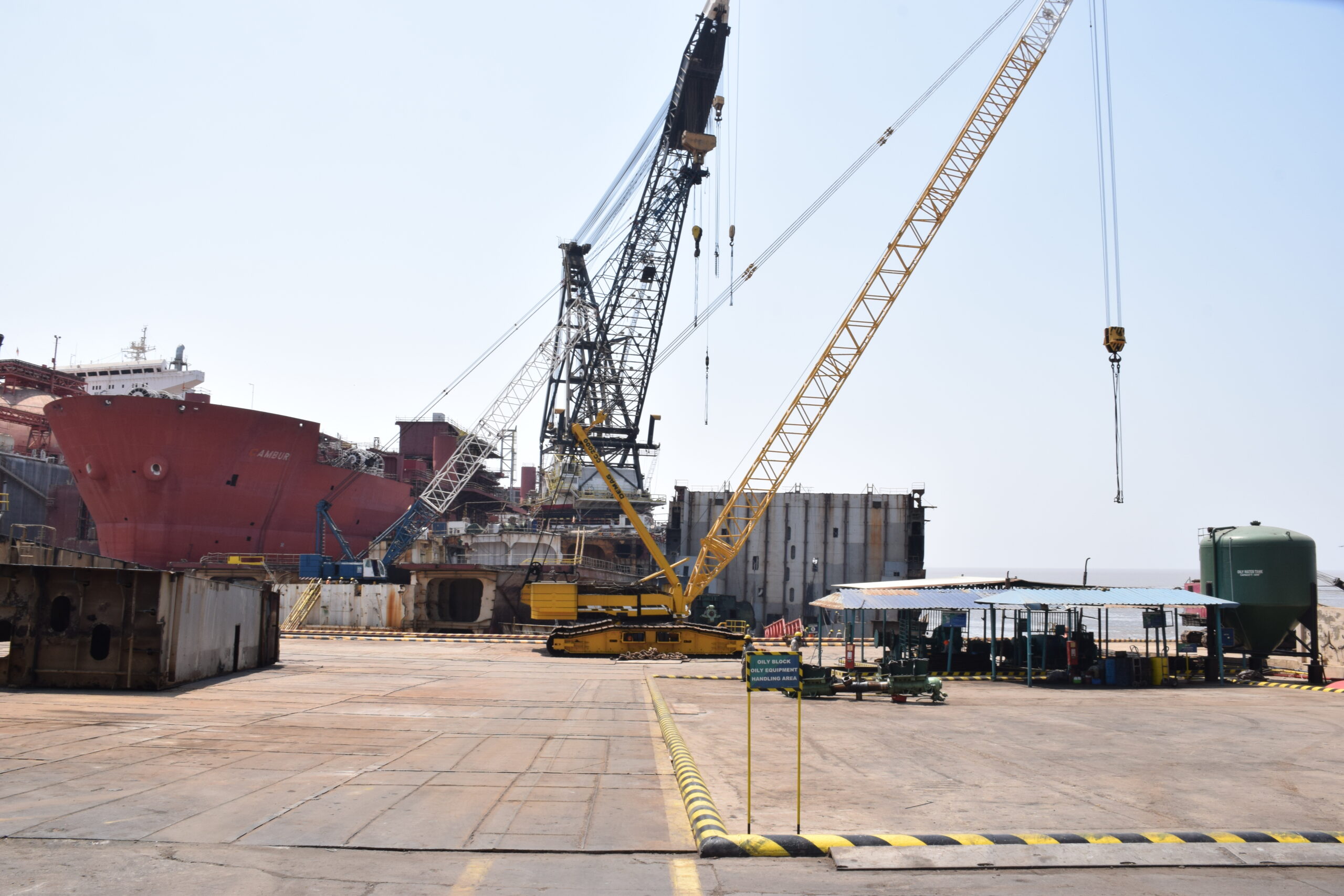
The continued scrapping of LNG carriers like the Seapeak Madrid also sheds light on activity within the ship recycling sector. After months of challenging conditions, brokers report early signs of a recovery in selected recycling markets, buoyed by firmer steel prices and buyer interest for high-quality tonnage. While traditional recycling hubs in South Asia remain important, demand across different regions has fluctuated in response to commodity price cycles and port capacity constraints.
Despite these positive indicators, the overall pace of recycling remains tied to broader shipping market fundamentals. Shipowners contemplating demolition decisions must weigh scrap steel values against continued charter earnings, future fuel costs, and regulatory compliance expenses. In the current climate, with LNG charter rates under strain, the calculus has tilted ever more toward recycling for older, less efficient vessels.
Looking Ahead
Seapeak’s sale of a second steam turbine LNG carrier for recycling marks a watershed moment in an industry grappling with fleet renewal, energy transition pressures, and evolving commercial realities. As owners increasingly retire older tonnage, the LNG carrier fleet is poised to become both younger and more technologically advanced, aligning with the decarbonisation trajectory of the maritime sector.
For Seapeak, this strategic reorientation may position the company to compete more effectively in a future LNG market characterized by tighter emissions standards, cleaner fuel adoption, and heightened charterer expectations. Yet the disposals also serve as a reminder of the financial and operational challenges inherent in navigating a fleet transition during an extended period of low freight rates.

Author: shipping inbox
shipping and maritime related web portal