



Pakistan Sets Ambitious Plan to Build $2 Billion Ship Recycling Market Over Next Decade
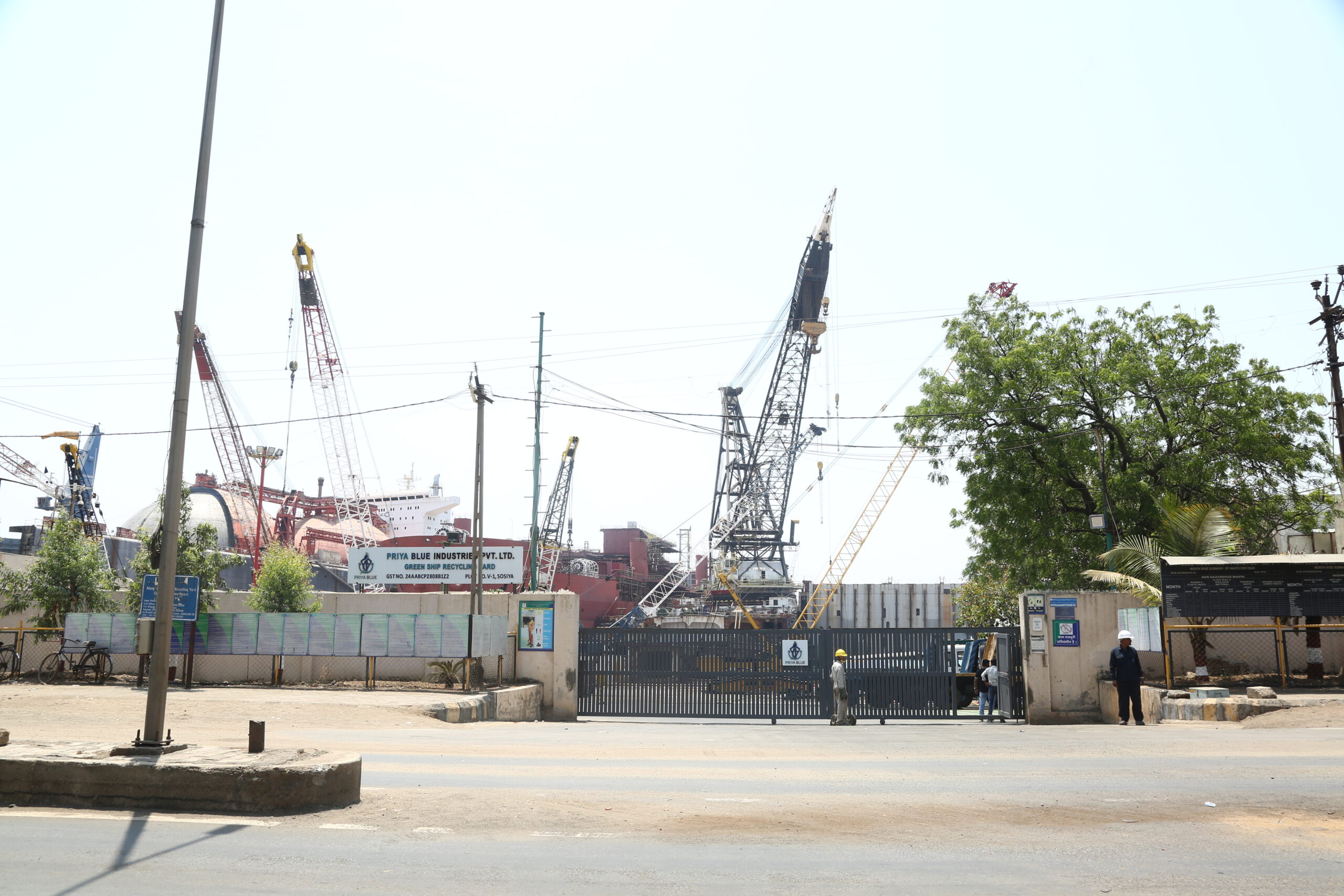
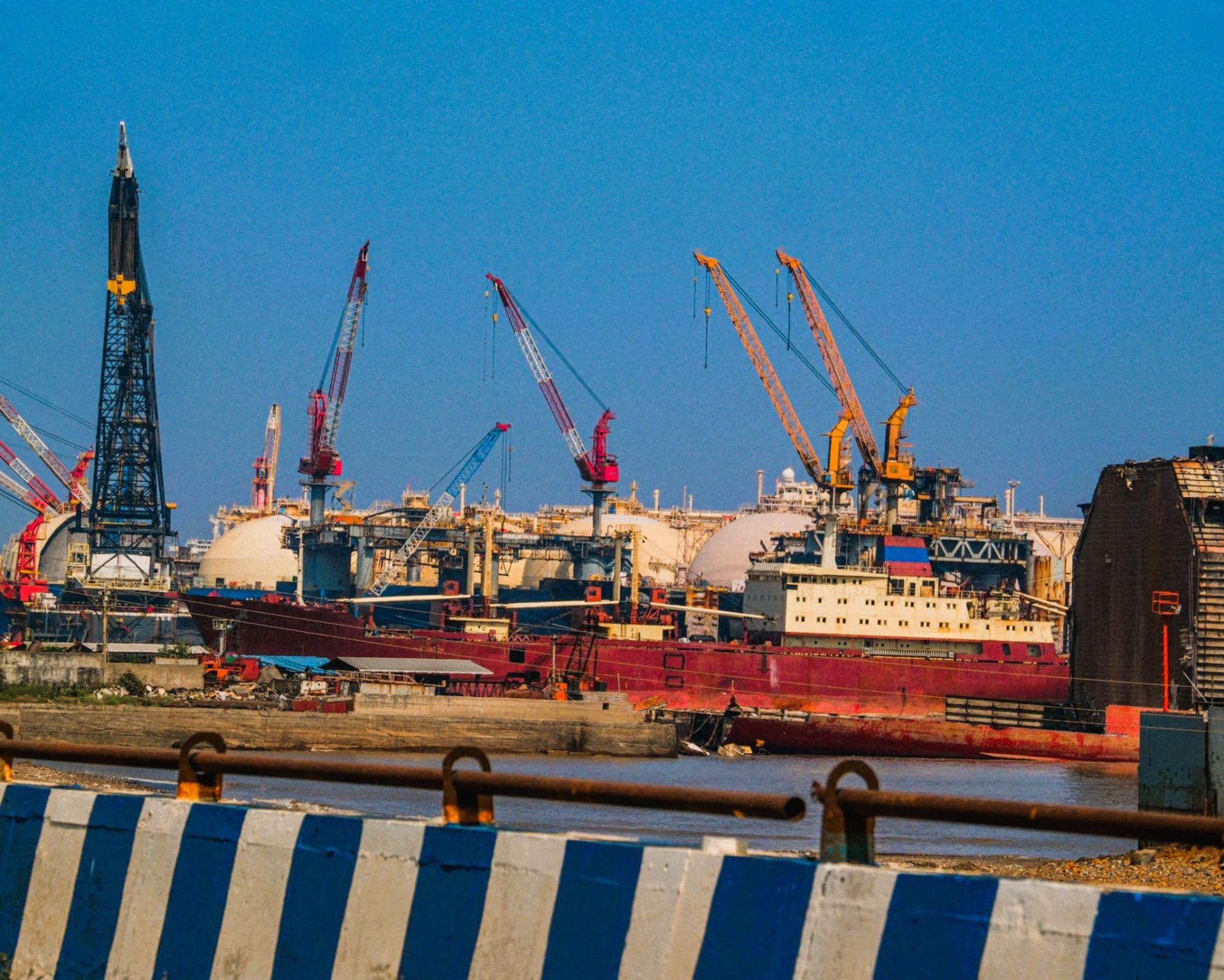
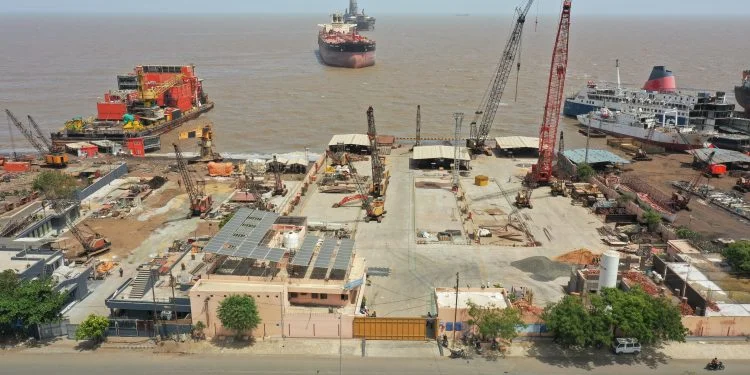
ISLAMABAD, Dec 27, 2025 — Pakistan has unveiled a bold strategy to transform its ship-recycling industry into a USD 2 billion market by 2035, focusing on modernisation, worker welfare, environmental compliance and global competitiveness. The plan centres on reviving the Gaddani Ship Recycling Yard — one of the world’s largest ship-breaking hubs — and aligning Pakistan with international safety and sustainability standards. Business Recorder

Officials from the Ministry of Maritime Affairs detailed a comprehensive programme that seeks to overhaul decades-old infrastructure at Gaddani, located on Pakistan’s Balochistan coast, and integrate progressive policies that support both local employment and export-oriented operations. Business Recorder
Transforming Gaddani: A Modern Maritime Hub
At the heart of the strategy is a multi-pronged uplift programme designed to address longstanding challenges in the ship-recycling sector. Pakistan plans significant investments in community and labour infrastructure to improve living conditions and worker safety — including a new 30-bed hospital, residential quarters for medical staff, fresh labour colonies, a school, a public recreation park, upgraded water supply systems, and 32 km of access roads. Government officials describe these improvements as overdue steps toward ensuring dignified, secure working environments for thousands of workers at the ship-breaking site. Business Recorder
Gaddani, currently the third-largest ship-recycling centre in the world, has enormous growth potential. However, its current operations were widely regarded as lacking formal industrial status, with minimal regulation, poor infrastructure, and unsafe working conditions. Government oversight has been limited, and despite generating more than Rs 5 billion annually for the economy, reinvestment into the sector has historically been inadequate. Business Recorder
Riding the Global Wave of Ship Recycling Demand
Global projections paint a promising picture for Pakistan’s ambitions. According to London-based Clarksons Research, annual global demand for ship recycling is expected to more than double from the current 6–7 million light displacement tons (LDT) to over 15 million LDT by 2030. The global ship-breaking and recycling market itself is forecast to exceed USD 10–12 billion annually in the coming decade — a sizeable opportunity Pakistan hopes to capture. Business Recorder
With more than 15,000 vessels projected to reach the end of their operational life over the next decade, industry officials believe that Pakistan is strategically positioned to benefit from this swelling market. Business Recorder
International Standards and Labour Safety at the Forefront
Central to Pakistan’s plan is the adoption of the Hong Kong International Convention (HKC) — a global treaty governing safe and environmentally sound ship recycling practices. Compliance with the HKC, alongside implementation of the International Labour Organization’s (ILO) recommendations, is seen as essential not only for protecting workers and the environment but also for unlocking international market access. Business Recorder
In response to persistent concerns over inadequate safety systems, lack of personal protective equipment, and insufficient emergency procedures, the federal government has approved a Rs 12 billion modernisation programme aimed at bringing the sector in line with global best practices. This funding will support the establishment of waste-management plants, fire-control systems, an environmental-monitoring lab, training centres, coastal infrastructure improvements, and mechanisms for compliance certification. Business Recorder
Since 2021, the ILO has been actively working with Pakistan on capacity-building initiatives that include safety training modules, standard operating procedures, and monitoring units. A 2023 progress review by the organisation highlighted the need for hazard controls and institutional reforms to restore Pakistan’s place in the international ship-recycling market. Business Recorder
Environmental and Community Concerns
Environmental and public health concerns have been central to debates about ship-breaking activities in Gaddani. Multi-year studies by the Pakistan Council of Scientific and Industrial Research (PCSIR) and the National Institute of Oceanography (NIO) have found elevated levels of heavy metals — such as lead, chromium, cadmium and mercury — in coastal waters and sediments near the yard, underscoring the need for better waste handling and pollution controls. Business Recorder
Officials argue that modernising operations, aligning with the HKC, and instituting environmental safeguards will not only address these legacy issues but also boost Pakistan’s credentials as a responsible player in the global circular economy. Business Recorder
Public-Private Synergy and Investment Opportunities
The government’s blueprint has begun to attract renewed interest from private investors. Representatives from PakEco Marine Solutions and Dubai-based PakEco Ship Recycling recently met with the Governor of Balochistan, Sheikh Jaffar Khan Mandokhel, to outline plans for a green, HKC-compliant ship-recycling yard. Officials estimate that such projects could draw USD 150–200 million in foreign direct investment, generate thousands of jobs, and reinforce Pakistan’s strategic position in the global steel recycling ecosystem. Business Recorder
Federal Minister for Maritime Affairs Junaid Chaudhry noted that under a broader maritime strategy emphasising environmental sustainability and climate resilience, Pakistan is also setting up a national centre of excellence for green ports, shipping, and integrated maritime industries in Karachi — a move intended to catalyse innovation and skill development in the sector. Business Recorder
Strategic Outlook and Future Prospects
Officials also pointed to a significant unplanned opportunity: nearly 400 vessels potentially abandoned or retired due to geopolitical tensions involving Russia and Ukraine. With capacity to dismantle roughly 125 ships annually, including large tankers, Gaddani could account for around 30–31 percent of these activities — further expanding Pakistan’s footprint in the international ship-recycling industry. Business Recorder
As Pakistan charts this forward-looking course, stakeholders say balancing economic growth, worker welfare, and environmental protection will be key to realising the USD 2 billion ship-recycling vision by 2035. Business Recorder

Author: shipping inbox
shipping and maritime related web portal