




Global Ship Recycling Markets Stay Cautious as Currency Swings- Politics and Oil Uncertainty Weigh on Sentiment: BEST OASIS
World’s leading cash buyers for ships sending for recycling, BEST OASIS in their weekly ship recycling market report opined that the global ship recycling market continued to tread cautiously over the past week, with marginal movements in pricing and sentiment across the major subcontinent and Turkish destinations. While some regions showed signs of stability, persistent currency volatility, geopolitical uncertainty and muted local demand kept buyers and sellers firmly in a wait-and-watch mode.

India: Marginal improvement, but confidence remains fragile
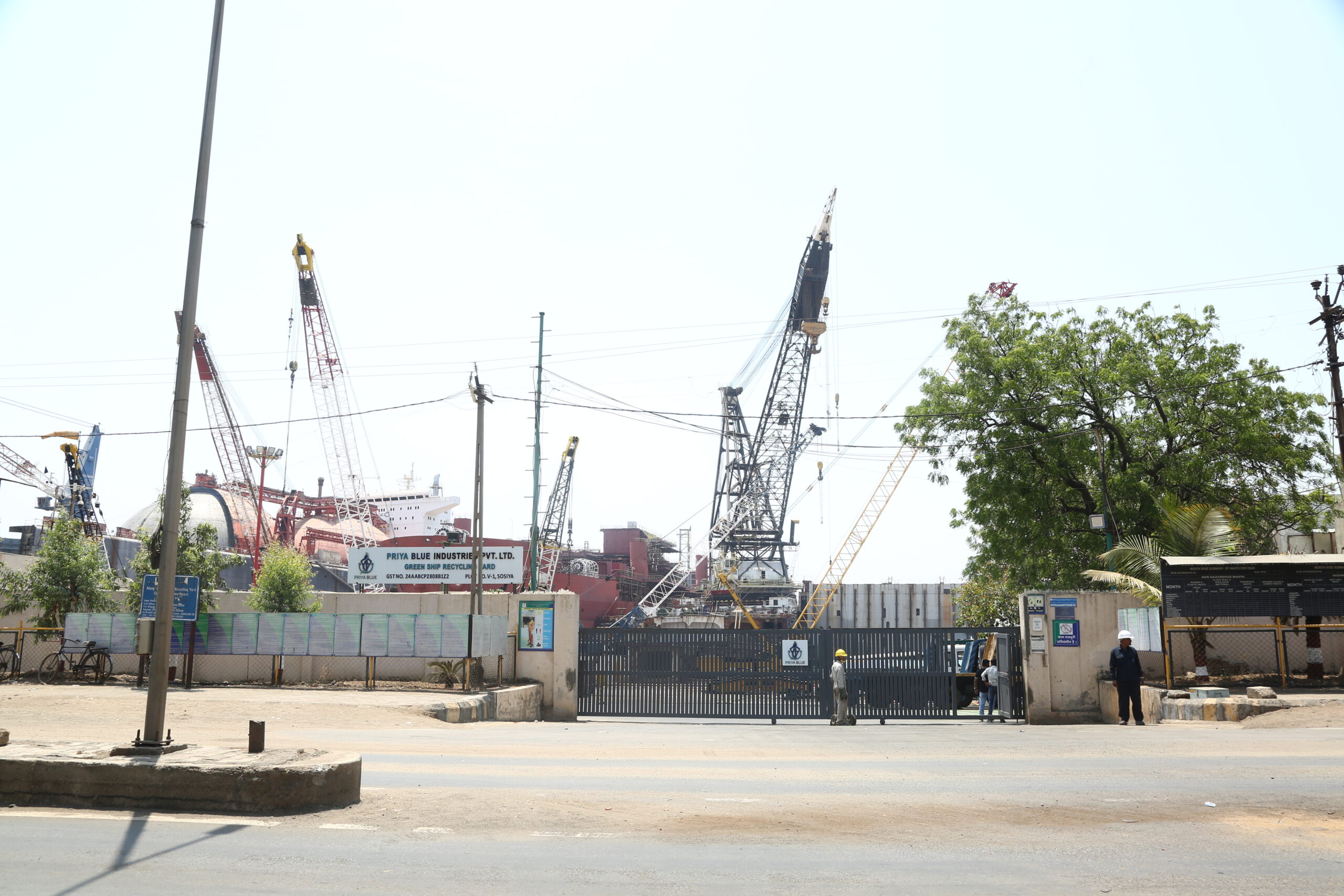
India’s ship recycling market recorded a slight improvement during the week, although buying activity remained subdued. Rapid movements in the USD/INR exchange rate continued to weigh heavily on sentiment, limiting buyers’ ability to commit to aggressive pricing. The rupee strengthened modestly to 89.65 against the US dollar from 90.49 the previous week, offering some relief, but not enough to restore confidence.
Adding to the uncertainty were developments linked to Venezuela, where tighter enforcement against sanctioned oil movements has raised broader questions about tanker demand, charter rates and global tonnage availability. Market participants remain uncertain about how these developments could influence recycling volumes, particularly for older tankers that may otherwise have been candidates for demolition.
As a result, Indian recyclers remained cautious, prioritising balance-sheet protection over volume. Prices for ship recycling in India held steady, with container vessels quoted at around USD 400 per LDT, tankers at USD 385 per LDT and bulkers at USD 370 per LDT, all unchanged week-on-week. Local steel plate prices also showed no movement, with HMS 1&2 (80:20) remaining at USD 358 per tonne.
Bangladesh: Weak demand amid political uncertainty
Bangladesh continued to struggle with a weak ship recycling market, marked by limited buyer participation and subdued local demand. Political conditions remained a key concern, dampening sentiment and delaying new buying decisions. Yard operators largely stayed on the sidelines, awaiting clearer signals from both domestic developments and international shipping markets.
Despite the pressure, market participants cautioned that it was still too early to confirm any meaningful price correction. Instead, recyclers are maintaining a defensive posture, closely monitoring developments before re-entering the market. Recycling prices in Bangladesh remained flat, with containers at USD 430 per LDT, tankers at USD 420 per LDT and bulkers at USD 385 per LDT.
The Bangladeshi taka weakened slightly to 122.28 against the US dollar, compared with 122.01 last week, adding further strain to import-dependent buyers and reinforcing the cautious tone.
Pakistan: Flat prices, no clear direction
Pakistan’s ship recycling market remained largely unchanged, with prices holding steady and sentiment showing no significant shift. Buying interest continued to be limited, and activity levels offered little indication of near-term improvement.
In the absence of fresh drivers—such as stronger steel demand or favourable currency movements—the market lacked clear direction. Container prices in Pakistan were assessed at around USD 415 per LDT, tankers at USD 400 per LDT and bulkers at USD 390 per LDT, all unchanged on a week-on-week basis. The Pakistani rupee strengthened marginally to 280.19 against the dollar from 280.36, but the move was insufficient to materially alter market dynamics.
Turkiye: Low volatility persists
Turkiye’s ship recycling market reflected its typically low-volatility nature. Import prices softened slightly during the week, while local pricing levels remained largely unchanged. Despite some movement on the import side, overall sentiment showed no material shift, and market participants largely maintained existing positions.
Activity levels remained steady, but subdued, with container vessels quoted at USD 290 per LDT, tankers at USD 280 per LDT and bulkers at USD 270 per LDT. Turkish steel prices for HMS 1&2 edged marginally higher at USD 362 per tonne, while shredded scrap stood at USD 380 per tonne. The Turkish lira weakened slightly to 42.75 against the US dollar from 42.63.
Energy markets and currencies add to uncertainty
Crude oil markets added another layer of uncertainty. Brent crude slipped from USD 61.05 to USD 60.21 per barrel, while WTI crude declined from USD 57.44 to USD 56.41, reflecting broader concerns about demand and global economic momentum. Lower oil prices can influence tanker earnings and demolition decisions, but the near-term impact remains unclear.
Currency movements across key recycling destinations continued to shape sentiment, with recyclers wary of committing to purchases amid fluctuating exchange rates.
Limited sales activity
Sales activity during the week remained selective. Among reported transactions, the bulker ASENA (3,196 LDT) was delivered to Alang, India, at an undisclosed price, while the general cargo vessel GOLD ORIGIN (2,485.85 LDT) was delivered to Chittagong, Bangladesh, at around USD 330 per LDT. Several bulkers were also sold on an as-is basis in China and Hong Kong, reflecting owners’ preference for alternative recycling or trading options.
Outlook: Wait-and-watch continues
Overall, the global ship recycling market remains in a holding pattern. With limited clarity on geopolitical developments, oil market dynamics and currency stability, stakeholders across India, Bangladesh, Pakistan and Turkiye are opting for caution. Until stronger signals emerge—either from freight markets or domestic steel demand—the prevailing wait-and-watch approach is likely to continue.

Author: shipping inbox
shipping and maritime related web portal