




From Compliance to Commitment: Ship Recycling Leaders Chart a Unified Future in Hong Kong : STAR ASIA
World’s leading cash buyer for ships sending for recycling, STAR ASIA in their weekly ship recycling market report opined that, the Tradewinds Ship Recycling Conference, held in Hong Kong on 18 and 19 November, concluded with a renewed sense of unity and momentum across the maritime recycling industry. With more than 250 participants filling the venue, the event delivered one of the most energetic and solution-driven gatherings the sector has seen in recent years. The strong turnout—comprising shipowners, recyclers, regulators, classification societies, and environmental experts—reflected the rapidly shifting regulatory environment following the ratification of the Hong Kong Convention (HKC) in June 2025. For many attendees, this year’s conference marked both a celebration of progress and a sober recognition of the hard work still ahead.

The HKC, long awaited and now finally set to enter into force, was at the centre of nearly every discussion in Hong Kong. Sessions focused on how the industry should adapt operationally, structurally and financially to meet the standards required under the Convention. A clear theme emerged: the sector is entering a transformative era where compliance is no longer a differentiator but an expectation. Yet speakers repeatedly emphasised optimism. The consensus across the two-day forum was that collaboration—between governments and yard operators, between shipowners and recyclers, and between regulators and NGOs—will be the decisive factor that allows the industry to meet the HKC’s ambitions without compromising commercial viability.
Participants also discussed what has changed across the major ship recycling regions since the treaty’s ratification. South Asia, the world’s largest and most influential cluster for end-of-life ship recycling, remains a key focus. Pakistan was widely celebrated for achieving a major milestone: the country registered its first HKC-approved yard, a breakthrough many thought would still take years. Delegates from Pakistan announced that the government had allocated new funds for upgrading Gadani’s ageing infrastructure—an important signal that Islamabad intends to position its recycling sector firmly on the global compliance map.
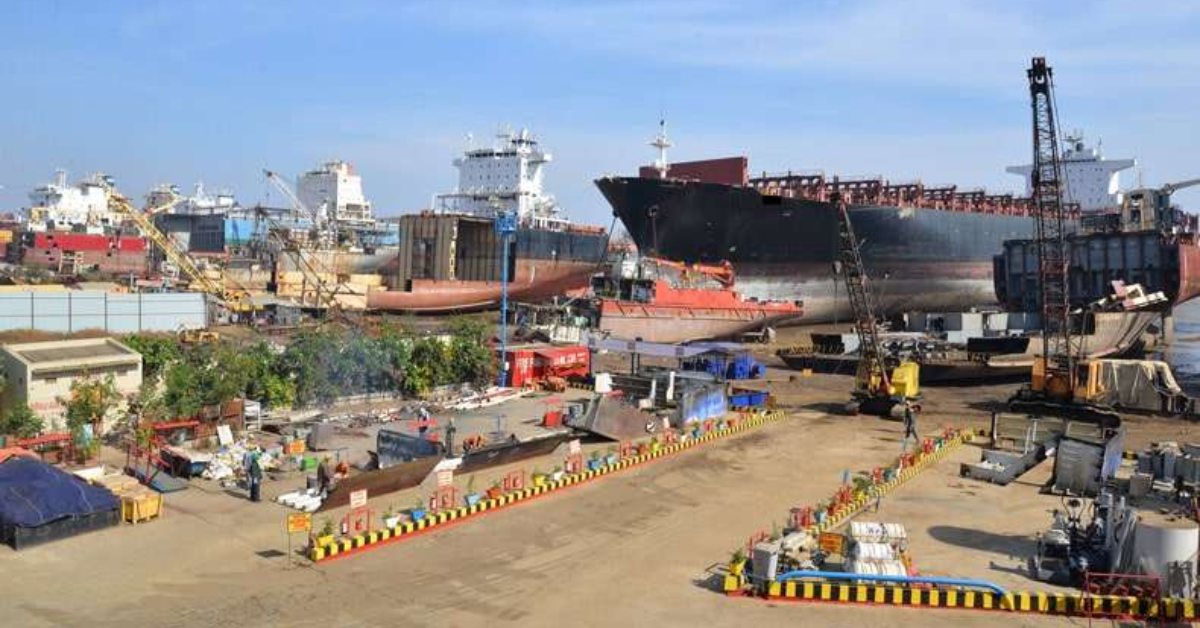
India, meanwhile, drew praise for its ongoing improvements in worker safety and operational standards. Several speakers noted the encouraging decline in yard-related accidents since the implementation of targeted infrastructure upgrades over the past year. With the Alang–Sosiya cluster already hosting the world’s largest number of HKC-compliant yards, India is increasingly viewed as one of the most reliable and steadily improving recycling destinations, backed by a committed regulatory framework and a maturing compliance culture.
Bangladesh, although still grappling with structural constraints, was recognised for its continued collaboration with international partners. Norwegian assistance through the SENSREC project remains key in shaping the country’s roadmap toward HKC compliance, especially as the Bangladesh Ship Recycling Board prepares for its strategic relocation to Chattogram. But speakers also stressed that the sector needs stronger government involvement to address persistent challenges in environmental oversight, downstream waste management and financial capacity at the yard level.
Turkey’s voice in the conference added a different dimension. The country—already one of the oldest and most established players in compliant recycling—expressed caution about market prospects for the coming year. The geopolitical climate in the surrounding region, combined with increasing emphasis on green steel production, has kept Aliaga’s recyclers conservative in their outlook. Yet Turkey reaffirmed its commitment to raising standards under the global HKC framework, with several experts arguing that Turkish yards could play a pivotal role in setting benchmarks for environmental performance.
Alongside the high-level policy discussions, the conference also provided a timely snapshot of current market dynamics, particularly in the South Asian subcontinent. In India, the recycling market showed a firming trend this week, marking a welcome stabilisation after a prolonged period of cautious sentiment. Although domestic steel demand remains soft, pricing from recyclers has held steady, demonstrating a willingness to maintain competitive offers even in an environment of mixed fundamentals. A small but notable uptick in finished steel prices has supported this resilience, helping generate stronger appetite for mid-sized vessels.
The current anchorage and beaching list for Alang reflects this activity. The Conico Atlas, a 20,001-LDT tanker arrested earlier in the year, remains in position, while several fresh arrivals—including the Zenith, Kai De Star, and heavy-lift vessel Smurf—signal healthier yard utilisation levels. Additional beachings this month include general cargo tonnage such as Tara, Dalia, Ark, and tankers like Ability, Delfina, Masal, and Neer 1. The consistent flow of vessels indicates sustained operational momentum even amid subdued steel markets.
Bangladesh, by contrast, continues to face a muted environment. Despite traditionally offering the highest prices for demolition tonnage, the Chattogram market has remained slow, with buying restricted to only a handful of financially capable recyclers. Economic pressures across the country have depressed domestic steel consumption, reducing mills’ ability to take on additional volumes. This week, prices offered by Bangladeshi buyers slipped by US$10 per LDT, following volatility in local plate prices. Even though several vessels are circulating on the for-sale lists, actual purchasing remains soft, reflecting the wider constraints in the domestic economy.
The Chattogram anchorage list similarly portrays a market that is active but far from robust. Tankers such as Leo, Raissa, Guly, and Santa Ana have arrived in recent weeks, along with bulkers Rana and Fu Ocean, and barge ANG. But the slow pace of beachings highlights the limited financial and operational absorption capacity presently affecting the market.
Pakistan’s Gadani region recorded yet another subdued week. Buyers remain hesitant amid weak market direction and slow activity, although domestic plate prices continue to hold stable. The absence of arrivals in Gadani underscores the caution prevailing among local buyers, who are navigating both economic uncertainties and the pressures of preparing for full HKC compliance in the coming years. Nevertheless, the recent approval of Pakistan’s first HKC-certified yard has injected a dose of long-term confidence into the sector, even if immediate market fundamentals remain quiet.
Turkey’s Aliaga market continues to follow the same steady pattern seen in recent weeks, with no major shifts in pricing or activity.
Across the broader commodity landscape, bunker prices showed mixed movement. Singapore posted VLSFO prices at US$466 per ton and MGO at US$733, while Hong Kong recorded slightly higher VLSFO at US$475 and MGO at US$703. Rotterdam and Houston showed comparatively softer pricing. Currency movements across major recycling nations also reflected week-on-week adjustments, with the Indian rupee weakening by just over 1% and the Turkish lira dipping by 0.59%.
Imported ferrous scrap trends further illustrated a cautious South Asian market. Indian buyers softened their bids sharply, with shredded scrap demand retreating to US$345–348 per ton CFR Nhava Sheva. Pakistan maintained firmer ground, with shredded deals holding near US$355 per ton CFR Port Qasim, though buyers refused to match higher supplier offers. Bangladesh’s market remained mixed, weighed down by weak rebar prices and comfortable inventories. Turkey, in contrast, saw deep-sea scrap prices climb, supported by firmer domestic rebar markets and rising freight costs.
As the Hong Kong conference concluded, many attendees remarked that 2025 will likely be remembered as the year the global ship recycling industry truly began transitioning from fragmented regional approaches to a unified, treaty-driven future. While challenges remain—economic, operational and regulatory—the tone of the forum was notably hopeful. The sector stands on the cusp of a major evolution, and if the spirit of collaboration displayed in Hong Kong carries forward, the path toward safer, cleaner and more responsibly managed recycling appears clearer than ever.

Author: shipping inbox
shipping and maritime related web portal