




Successful Engagement for GMS at Capital Link Dubai Forum
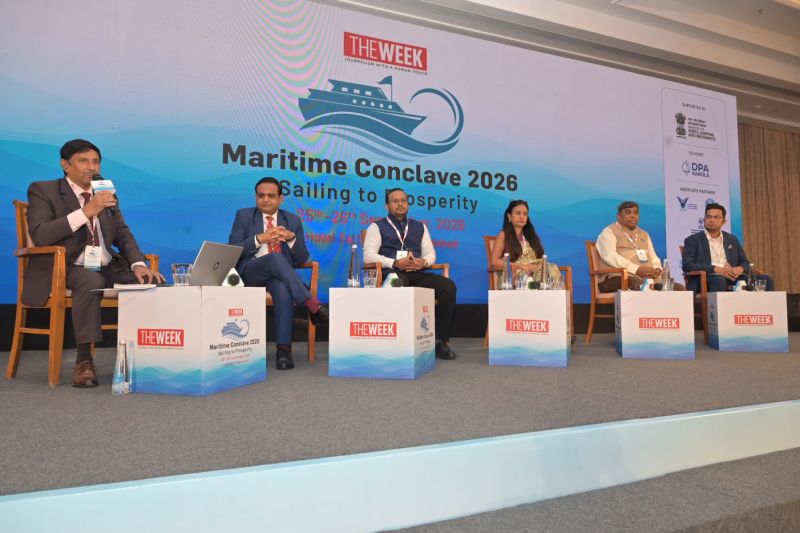
The Capital Link Dubai Maritime Forum witnessed a compelling exchange of ideas and industry insights as Dr. Anil Sharma, Founder and CEO of GMS, participated in an engaging fireside chat with Mr. Nicolas Bornozis, President of Capital Link. The session, held before a global audience of maritime leaders, policymakers, and investors, offered a deep dive into GMS’s remarkable journey and the evolving landscape of ship recycling in a rapidly changing maritime world.

Reflecting on the company’s growth trajectory, Dr. Sharma shared how GMS transformed from a promising start-up into the world’s largest cash buyer of ships for recycling. He noted that this evolution was the result of a sustained focus on integrity, industry partnerships, and a commitment to creating value across the maritime ecosystem. “Our journey has been one of innovation, responsibility, and unwavering dedication to our principles,” Dr. Sharma remarked during the discussion. He underlined that GMS’s leadership today is built on decades of experience, a global presence, and its proactive role in supporting the ship recycling sector’s transition toward safer and greener standards.
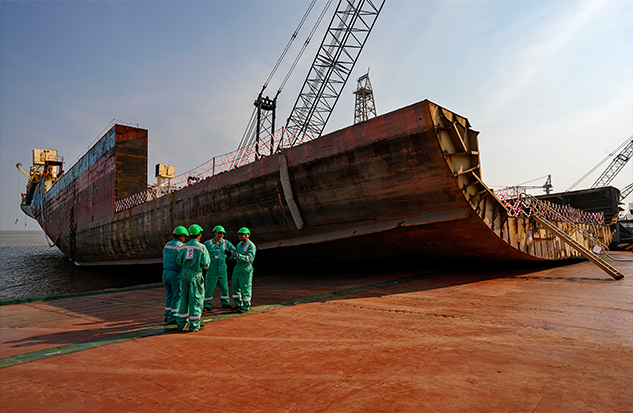
A key highlight of the conversation was GMS’s ongoing emphasis on safe and environmentally responsible recycling. Dr. Sharma detailed how the company has championed the adoption of sustainable practices long before environmental compliance became central to industry discourse. He pointed to GMS’s early advocacy for the Hong Kong International Convention for the Safe and Environmentally Sound Recycling of Ships (HKC), as well as the company’s investment in training, yard improvements, and compliance monitoring to ensure that recycling operations adhere to the highest safety norms. “Responsible ship recycling is not just a regulatory requirement—it is a moral and environmental obligation,” he stressed.
Dr. Sharma also spoke at length about the broader role of ship recycling in supporting global trade and supply-demand fundamentals. He explained that recycling does more than dispose of end-of-life vessels; it provides high-quality scrap steel that feeds construction and manufacturing industries across emerging and developed markets. By returning valuable materials back into the industrial cycle, ship recycling reduces the need for virgin steel production, thereby lowering emissions, conserving natural resources, and promoting a more circular global economy. This link, he said, is often overlooked but is fundamental to understanding the industry’s strategic importance.
One of the most pressing issues raised during the fireside chat was the challenge presented by the aging “shadow fleet”—a rapidly expanding group of older, high-risk tankers operating outside mainstream regulatory oversight. Dr. Sharma described this fleet as a growing concern not only for operational transparency but also for environmental and safety considerations. Many of these vessels, he noted, are nearing the end of their lifespan yet continue trading under flags and ownership structures that complicate tracking and compliance. Their advanced age and substandard maintenance increase the risk of accidents, pollution incidents, and other safety hazards.
Dr. Sharma emphasized that addressing the shadow fleet requires a combination of stronger enforcement, market incentives, and sustainable recycling solutions. “These vessels must eventually be phased out responsibly,” he said, reiterating that safe recycling end-of-life ships is essential for reducing risks to crews, coastal communities, and the marine environment. He added that GMS remains committed to supporting owners seeking compliant, transparent, and environmentally sound recycling options—solutions that align with global sustainability goals and help accelerate the transition to a safer maritime sector.
Throughout the conversation, Dr. Sharma praised Capital Link for creating a platform that encourages open dialogue, knowledge exchange, and strategic thinking on some of the most important issues facing global shipping today. He thanked Mr. Bornozis and the Capital Link team for their continued efforts to bring together diverse voices from across the maritime value chain to discuss opportunities, challenges, and pathways for a more sustainable future. “Forums like these are essential,” he noted. “They help align the industry around best practices, promote innovation, and inspire collective action.”
The session concluded on an optimistic note, with Dr. Sharma expressing confidence that ongoing collaboration between regulators, shipowners, recyclers, and industry partners will drive further improvements in recycling standards and environmental performance. He reiterated GMS’s commitment to leading this transformation and ensuring that the sector continues to evolve responsibly.
The successful participation of Dr. Sharma at the Capital Link Dubai Forum highlighted GMS’s enduring role in shaping the ship recycling narrative worldwide. As the global maritime industry advances toward sustainability-driven models, GMS’s focus on safe practices, transparency, and environmental stewardship continues to set benchmarks for others to follow.

Author: shipping inbox
shipping and maritime related web portal